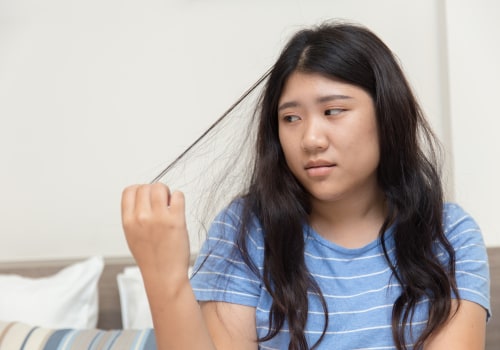
Trichotillomania
, commonly referred to as hair pulling disorder, is a complex psychological condition that manifests as an uncontrollable urge to pull out one’s own hair. This behavior can lead to noticeable hair loss and significant distress, affecting not only the individual’s physical appearance but also their emotional and psychological well-being. Understanding trichotillomania is essential for recognizing its profound impact on those who suffer from it, as well as the importance of exploring various treatment options, including alternative methods like exercise and , commonly referred to as hair pulling disorder, is a complex psychological condition that manifests as an uncontrollable urge to pull out one’s own hair. This behavior can lead to noticeable hair loss and significant distress, affecting not only the individual’s physical appearance but also their emotional and psychological well-being. Understanding trichotillomania is essential for recognizing its profound impact on those who suffer from it, as well as the importance of exploring various treatment options, including alternative methods like exercise and relaxation techniques.The symptoms of trichotillomania can vary widely among individuals, but they typically include repetitive hair pulling from the scalp, eyebrows, eyelashes, or other areas of the body. Many individuals may experience feelings of tension or anxiety before pulling hair and a sense of relief or gratification afterward. , commonly referred to as hair pulling disorder, is a complex psychological condition that manifests as an uncontrollable urge to pull out one’s own hair. This behavior can lead to noticeable hair loss and significant distress, affecting not only the individual’s physical appearance but also their emotional and psychological well-being. Understanding trichotillomania is essential for recognizing its profound impact on those who suffer from it, as well as the importance of exploring various treatment options, including alternative methods like exercise and relaxation techniques.The symptoms of trichotillomania can vary widely among individuals, but they typically include repetitive hair pulling from the scalp, eyebrows, eyelashes, or other areas of the body. Many individuals may experience feelings of tension or anxiety before pulling hair and a sense of relief or gratification afterward.
This cycle can create a challenging dynamic where the individual feels trapped in their behavior, leading to feelings of shame and isolation. In some cases, individuals may attempt to hide their hair loss with hats or makeup, further exacerbating their emotional struggles.Beyond the physical symptoms, trichotillomania can significantly affect an individual’s quality of life. It can lead to social withdrawal, difficulties in personal relationships, and challenges in professional settings. The emotional toll of living with this disorder often includes heightened levels of anxiety and depression.
Therefore, it is crucial for those affected by trichotillomania to seek support and explore various treatment avenues that can help manage their symptoms effectively.
The Role of Exercise in Managing Trichotillomania
Exercise plays a pivotal role in managing trichotillomania, offering both psychological and physical benefits that can significantly improve the quality of life for those affected by this condition. Engaging in regular physical activity not only helps to alleviate stress and anxiety but also provides a constructive outlet for emotions that may trigger hair-pulling behaviors.One of the primary benefits of exercise is its ability to release endorphins, often referred to as the body’s natural mood lifters. These hormones can create feelings of happiness and euphoria, which can counteract the negative emotions associated with trichotillomania. By incorporating exercise into their daily routine, individuals may find that they experience fewer urges to pull hair, as their overall mood improves.Moreover, exercise serves as a powerful distraction from the compulsive behaviors linked to trichotillomania.When individuals engage in physical activity, they can redirect their focus away from hair pulling and towards achieving fitness goals. This shift in attention can be particularly beneficial during moments of high stress or anxiety when the urge to pull hair may be strongest.
Types of Exercise Beneficial for Trichotillomania
There are various types of exercises that can be particularly effective for individuals managing trichotillomania. Here are some recommended forms:- Yoga: This low-impact exercise emphasizes mindfulness and breathing techniques, which can help calm the mind and reduce anxiety. The meditative aspects of yoga encourage self-awareness, allowing individuals to recognize triggers and manage urges more effectively.
- Aerobic Exercises: Activities such as running, cycling, or swimming can elevate heart rates and release endorphins.
These exercises not only improve cardiovascular health but also enhance mood and reduce stress levels.
- Strength Training: Lifting weights or engaging in resistance training can boost self-esteem and body image. As individuals see improvements in their physical strength, they may feel more empowered to combat the urges associated with trichotillomania.
- Dancing: This fun and expressive form of exercise allows individuals to let loose while also providing a great cardiovascular workout. Dancing can be a joyful way to relieve stress and connect with one’s body.
By finding enjoyable forms of exercise, individuals can create a sustainable practice that supports their journey toward recovery.
Types of Exercises Beneficial for Trichotillomania
Engaging in regular physical activity can be a transformative approach for individuals dealing with trichotillomania. Different types of exercises can cater to various needs and preferences, making it easier to find a suitable routine. Below, we explore three primary forms of exercise that can significantly benefit those managing this condition: yoga, cardio workouts, and strength training.Yoga for Trichotillomania
Yoga is a holistic practice that combines physical postures, breathing techniques, and meditation. For individuals with trichotillomania, yoga offers several unique benefits:- Mindfulness: Yoga encourages mindfulness, helping practitioners become more aware of their thoughts and feelings.
This heightened awareness can assist in recognizing triggers that lead to hair-pulling urges.
- Stress Reduction: The meditative aspects of yoga promote relaxation and reduce stress levels, which are often significant contributors to compulsive behaviors.
- Improved Focus: Regular practice can enhance concentration and mental clarity, making it easier to resist the impulse to pull hair.
Cardio Exercises
Cardiovascular exercises, such as running, cycling, or swimming, are excellent for boosting overall health and well-being. Here’s how cardio can help:- Endorphin Release: Cardio workouts trigger the release of endorphins, the body's natural mood lifters. This can lead to improved emotional states and reduced anxiety.
- Tension Relief: Engaging in high-energy activities helps release pent-up energy and tension, which may otherwise manifest as hair-pulling behavior.
- Routine Building: Establishing a regular cardio routine can create a sense of structure in daily life, providing a healthy distraction from urges to pull hair.
Strength Training Benefits
Strength training involves using resistance to build muscle strength and endurance. This form of exercise offers unique advantages for those with trichotillomania:- Increased Self-Esteem: As individuals see improvements in their physical strength and appearance, their self-confidence often rises, which can counteract feelings of shame associated with hair pulling.
- Coping Mechanism: Lifting weights or engaging in resistance exercises can serve as a productive outlet for frustration or anxiety that may trigger hair-pulling episodes.
- Focus on Goals: Setting and achieving fitness goals through strength training fosters a sense of accomplishment that can translate into other areas of life.
By incorporating these exercises into daily routines, individuals may find greater control over their impulses and an overall improvement in their quality of life.
Incorporating Exercise into Daily Life
Incorporating exercise into your daily life can be a transformative step in managing trichotillomania. However, many individuals face barriers that can make starting and maintaining an exercise routine challenging. Here are some practical tips to help you seamlessly integrate exercise into your everyday activities.1.Start Small and Set Realistic Goals
- Begin with short sessions of 10-15 minutes a day, gradually increasing the duration as you become more comfortable.
- Set achievable goals, such as walking for 10 minutes a day or completing a short yoga session three times a week.
- Track your progress to celebrate small victories, which can boost motivation and reinforce positive behavior.
2.Choose Activities You Enjoy
- Select exercises that you find enjoyable, whether it’s dancing, swimming, hiking, or practicing yoga. Enjoyment increases the likelihood of consistency.
- Experiment with different activities to discover what resonates with you.
This exploration can make exercise feel less like a chore and more like a rewarding experience.
3.Create a Schedule
- Designate specific times for exercise in your daily routine, treating these appointments as non-negotiable commitments.
- Consider pairing exercise with another daily activity, such as walking after lunch or doing a quick workout before dinner.
4.Overcome Common Barriers
- If time is an issue, look for opportunities to incorporate movement throughout the day, such as taking the stairs instead of the elevator or doing stretches during breaks.
- For those who feel self-conscious about exercising in public, consider home workouts or online classes that allow you to exercise in a comfortable environment.
5.Find Accountability and Support
- Engage friends or family members to join you in your exercise journey. Having a workout buddy can provide motivation and make exercising more enjoyable.
- Consider joining local fitness groups or online communities focused on health and wellness. Sharing experiences with others can foster a sense of belonging and encouragement.
6.Stay Flexible and Adaptable
- Life can be unpredictable; therefore, it’s essential to remain flexible with your exercise routine. If you miss a workout, don’t be discouraged—simply get back on track the next day.
- Adapt your routine based on how you feel each day.
Some days may call for gentle stretching while others may allow for more vigorous activity.
Practical Relaxation Techniques to Try
Incorporating relaxation techniques into your daily routine can significantly help in managing trichotillomania. Here are some practical methods you can try:Deep Breathing Techniques
Deep breathing is a simple yet powerful technique that can help calm your mind and body. Here’s how to practice it:- Find a Comfortable Position: Sit or lie down in a quiet space where you won’t be disturbed.
- Close Your Eyes: This helps to minimize distractions and allows you to focus inward.
- Inhale Deeply: Breathe in slowly through your nose for a count of four, allowing your abdomen to expand.
- Hold Your Breath: Keep the air in your lungs for a count of four.
- Exhale Slowly: Release the breath through your mouth for a count of six, feeling your body relax with each exhale.
- Repeat: Continue this cycle for five to ten minutes, focusing on the rhythm of your breath.
Guided Meditation for Beginners
Guided meditation can be an excellent way to ease into mindfulness practices.Here’s how to get started:
- Select a Quiet Space: Choose a comfortable spot where you can sit or lie down without interruptions.
- Use Resources: Consider using apps like Headspace or Calm, or find free guided meditations on platforms like YouTube.
- Set a Timer: Start with short sessions of 5-10 minutes and gradually increase as you become more comfortable.
- Focus on Your Breath: As you listen to the guide, concentrate on your breathing and let go of any distracting thoughts.
- Practice Regularly: Aim to meditate daily or several times a week to build consistency and reap the benefits.
Progressive Muscle Relaxation Techniques
This technique involves tensing and relaxing different muscle groups in your body. Here’s how to do it:- Get Comfortable: Find a quiet place to sit or lie down comfortably.
- Tense Each Muscle Group: Starting from your toes, tense each muscle group for about five seconds. Focus on the sensation of tension.
- Release the Tension: After tensing, relax the muscles completely and notice the difference in sensation. Spend a few moments enjoying the feeling of relaxation.
- Move Upward: Gradually work your way up through your body—feet, calves, thighs, abdomen, arms, shoulders, neck, and face—tensing and relaxing each group.
- Finish with Deep Breathing: Conclude the session with deep breathing to enhance relaxation further.
Remember that consistency is key; integrating these practices into your daily life can lead to significant improvements in managing stress and anxiety associated with this condition.
Combining Exercise and Relaxation Techniques for Optimal Results
Integrating exercise and relaxation techniques offers a holistic approach to managing trichotillomania, enhancing both physical and mental well-being. This combination not only addresses the symptoms of the disorder but also targets the underlying stressors that often trigger hair-pulling behaviors.When individuals engage in regular physical activity, they experience a surge of endorphins, which are natural mood lifters. This biochemical response can significantly reduce feelings of anxiety and depression, common companions of trichotillomania. However, the benefits of exercise extend beyond just mood enhancement.When paired with relaxation techniques, such as deep breathing or meditation, the effects can be even more profound.
Benefits of Combining Techniques:
- Enhanced Stress Relief: Exercise helps to release pent-up energy and tension, while relaxation techniques promote a state of calm. Together, they create a balanced approach to stress management.
- Improved Focus: Regular physical activity can sharpen concentration and mental clarity. When combined with mindfulness practices, individuals can better manage their urges to pull hair by staying present and aware of their thoughts and feelings.
- Increased Self-Esteem: Engaging in exercise fosters a sense of accomplishment and boosts self-confidence. This is particularly important for those struggling with body image issues related to trichotillomania.
Relaxation techniques further reinforce this positive self-image by promoting self-acceptance.
- Better Coping Mechanisms: The combination of physical exertion and relaxation equips individuals with healthier coping strategies for dealing with triggers. Instead of resorting to hair pulling, they can channel their energy into exercise or use relaxation techniques to soothe their minds.
By recognizing the interplay between physical health and emotional well-being, individuals can take significant strides toward managing their condition more effectively.
Seeking Professional Help and Support
While self-managed techniques such as exercise and relaxation can significantly aid in managing trichotillomania, seeking professional help is equally crucial for a comprehensive approach to treatment. Professional support can provide individuals with tailored strategies and resources that enhance their ability to cope with this challenging condition.Therapy for Trichotillomania
One of the most effective forms of treatment for trichotillomania is therapy, particularly Cognitive Behavioral Therapy (CBT). CBT focuses on identifying and changing negative thought patterns and behaviors associated with hair pulling. Through this therapeutic approach, individuals learn to recognize triggers and develop healthier coping mechanisms.Additionally, Habit Reversal Training (HRT), a component of CBT, teaches individuals to replace hair-pulling behaviors with alternative actions, thereby reducing the frequency of hair pulling.
Support Groups
Connecting with others who understand the struggles of trichotillomania can be incredibly beneficial. Support groups provide a safe space for individuals to share their experiences, challenges, and successes. These groups often foster a sense of community and belonging, which can alleviate feelings of isolation. Many organizations offer both in-person and online support groups, making it easier for individuals to find a group that fits their needs.Professional Treatment Options
In addition to therapy and support groups, there are various professional treatment options available for those dealing with trichotillomania.Medication may be prescribed in some cases to help manage symptoms, particularly if the disorder is accompanied by anxiety or depression. Selective serotonin reuptake inhibitors (SSRIs) have shown promise in reducing hair-pulling urges for some individuals.Furthermore, specialized clinics that focus on body-focused repetitive behaviors (BFRBs) offer comprehensive treatment plans that may include a combination of therapy, medication management, and support resources. These clinics often employ a multidisciplinary approach, involving psychologists, psychiatrists, and occupational therapists to address the multifaceted nature of trichotillomania.In conclusion, while self-help strategies are valuable tools in managing trichotillomania, seeking professional help is essential for long-term recovery. By engaging in therapy, participating in support groups, and exploring various treatment options, individuals can gain the skills and support necessary to overcome the challenges posed by this disorder.
Conclusion: Empowering Yourself Against Trichotillomania
In conclusion, managing trichotillomania is a multifaceted journey that requires a comprehensive approach.Throughout this article, we have explored the significant role that both exercise and relaxation techniques play in alleviating the symptoms associated with this challenging condition. By integrating these practices into your daily routine, you can empower yourself to take control of your urges and improve your overall well-being.
Exercise
serves as a powerful tool in combating the compulsive behaviors linked to trichotillomania. Engaging in regular physical activity not only releases endorphins, which enhance mood and reduce stress, but also provides a constructive outlet for managing emotions. Whether it’s through yoga, running, or strength training, finding an exercise that resonates with you can foster a sense of accomplishment and boost self-esteem.
Remember, the key is consistency; aim to incorporate movement into your life in a way that feels enjoyable and sustainable.Equally important are relaxation techniques , which can significantly mitigate anxiety and stress levels. Practices such as deep breathing, meditation, and progressive muscle relaxation can help you cultivate mindfulness and awareness of your triggers. By learning to recognize when you feel the urge to pull hair, you can employ these techniques to redirect your focus and calm your mind. Start small; even dedicating a few minutes each day to these practices can yield substantial benefits over time.Ultimately, the journey toward managing trichotillomania is personal and unique for each individual.
It’s essential to be patient with yourself as you explore different strategies and find what works best for you. Consider seeking support from mental health professionals or joining support groups where you can share experiences and gain insights from others facing similar challenges.By embracing both exercise and relaxation techniques, you are not just addressing the symptoms of trichotillomania; you are also nurturing your mental health and fostering resilience. Empower yourself with knowledge, take actionable steps towards recovery, and remember that every small effort counts on this path to healing.