Trichotillomania, often referred to as hair pulling disorder, is a psychological condition that affects a significant number of individuals across the globe. This disorder is characterized by an uncontrollable urge to pull out one’s own hair, leading to noticeable hair loss and emotional distress. While it may seem like a mere habit to some, for those who experience it, trichotillomania can be a debilitating condition that impacts various aspects of life, including self-esteem, social interactions, and overall mental health.Understanding trichotillomania is crucial not only for those who suffer from it but also for their friends and family members. The prevalence of this disorder is often underestimated; studies suggest that approximately 1-2% of the population may be affected at some point in their lives.
This statistic highlights the importance of raising awareness and fostering a supportive environment for individuals grappling with this condition. Many people with trichotillomania feel isolated due to the stigma surrounding mental health issues, which can exacerbate feelings of shame and guilt.As we delve deeper into the complexities of trichotillomania, it becomes evident that understanding its underlying causes, symptoms, and treatment options is essential for effective management. This guide aims to provide comprehensive insights into the nature of this disorder, equipping readers with the knowledge needed to recognize its signs and seek appropriate help. By fostering a greater understanding of trichotillomania, we can create a more compassionate society that supports those affected by this challenging condition.
What is Trichotillomania?
Trichotillomania, often referred to as hair pulling disorder, is a psychological condition that compels individuals to pull out their own hair, leading to noticeable hair loss.This behavior is not merely a bad habit; it is classified as an impulse control disorder , which means that those affected struggle to resist the urge to engage in hair pulling, despite the negative consequences it may bring.The symptoms of trichotillomania can vary significantly from person to person, but they generally include:
- Recurrent hair pulling: The most defining symptom is the repeated act of pulling hair from various parts of the body, including the scalp, eyebrows, eyelashes, and even facial hair.
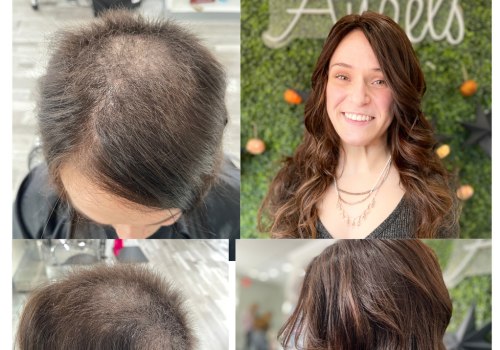
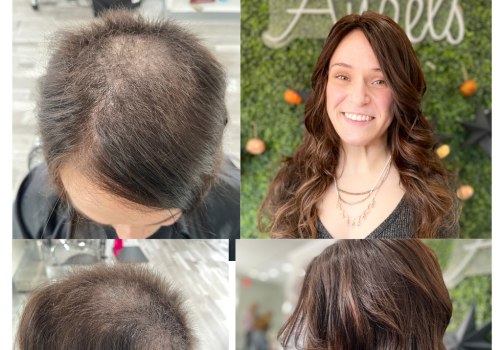
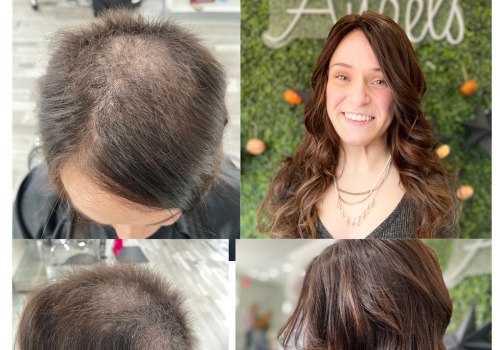
- Hair loss: This behavior often results in visible bald patches or thinning areas on the scalp or other affected regions.
- Increased tension: Many individuals report feeling a buildup of tension before pulling their hair, which is often relieved after the act.
- Emotional distress: The act of hair pulling can lead to feelings of shame, guilt, or embarrassment, particularly when the individual becomes aware of their behavior.
- Attempts to stop: Individuals with trichotillomania frequently try to reduce or stop their hair pulling but find it challenging to do so.
Causes of Trichotillomania
Understanding the causes of trichotillomania is essential for developing effective coping strategies and treatment plans.This complex disorder arises from a combination of psychological, genetic, and environmental factors that can vary significantly from person to person.
Psychological Factors
Many individuals with trichotillomania report that their hair-pulling behavior often serves as a coping mechanism for managing stress, anxiety, or emotional distress. This behavior can provide temporary relief or distraction from negative feelings, creating a cycle that is difficult to break. Common psychological factors associated with trichotillomania include:- Anxiety Disorders: Individuals with anxiety disorders may find themselves pulling hair as a way to alleviate feelings of tension or unease.
- Obsessive-Compulsive Disorder (OCD): There is a notable overlap between trichotillomania and OCD, where compulsive behaviors manifest in different forms.
- Trauma and Stress: Past traumatic experiences or ongoing stressors can trigger hair-pulling episodes as a form of self-soothing.
- Low Self-Esteem: Feelings of inadequacy or self-criticism may lead individuals to engage in hair-pulling as a way to cope with negative self-image.
Genetic Factors
Research suggests that genetics may play a significant role in the development of trichotillomania. Individuals with a family history of this disorder or other impulse control issues are at a higher risk.Genetic predispositions can influence brain chemistry and the regulation of neurotransmitters, which are crucial in managing impulses and emotional responses. Some key points regarding genetic factors include:
- Family History: Studies indicate that trichotillomania can run in families, suggesting a hereditary component.
- Neurotransmitter Imbalances: Variations in neurotransmitters such as serotonin and dopamine may contribute to the impulsivity seen in trichotillomania.
Environmental Factors
The environment also plays a critical role in the onset and exacerbation of trichotillomania. Factors such as:- Stressful Life Events: Major life changes, such as moving, changing schools, or experiencing loss, can trigger hair-pulling behaviors.
- Cultural Influences: Societal pressures regarding appearance may contribute to body image issues that exacerbate the disorder.
Recognizing the Symptoms
Recognizing the symptoms of trichotillomania is a crucial step in understanding and addressing this complex disorder.Individuals who experience this condition may exhibit a range of signs that can vary in intensity and frequency. Here are some key symptoms to look out for:
- Compulsive Hair Pulling: The most defining symptom of trichotillomania is the uncontrollable urge to pull out hair from various parts of the body, including the scalp, eyebrows, eyelashes, and even facial hair. This behavior often occurs without conscious awareness.
- Hair Loss: As a result of frequent pulling, noticeable hair loss can occur. This may manifest as bald patches or thinning areas on the scalp or other affected regions.
- Increased Tension: Many individuals report feeling a buildup of tension or anxiety before pulling their hair.
This tension often dissipates temporarily after the act of pulling, creating a cycle that can be difficult to break.
- Emotional Distress: Trichotillomania can lead to significant emotional distress, including feelings of shame, guilt, or embarrassment about the behavior. Individuals may go to great lengths to hide their hair loss or avoid situations where their condition might be exposed.
- Focus on Hair: Those with trichotillomania may spend considerable time examining their hair or the areas from which they pull. This can include playing with pulled-out hairs or inspecting the scalp for new growth.
- Behavioral Patterns: The act of pulling hair may be accompanied by specific rituals or patterns, such as pulling hair while watching television, reading, or during moments of stress. Identifying these patterns can help in recognizing the disorder.
Early recognition and intervention can significantly improve outcomes and provide individuals with effective coping strategies. Understanding these symptoms not only aids in personal awareness but also fosters empathy and support for those affected by this challenging condition.
The Psychological Impact of Trichotillomania
Trichotillomania, or hair pulling disorder, extends beyond the physical act of pulling hair; it profoundly affects an individual's emotional and psychological well-being. The psychological impact of trichotillomania can be extensive, leading to a range of emotional challenges that can significantly alter one’s quality of life.Individuals with trichotillomania often experience feelings of shame and embarrassment due to their condition. This can lead to social withdrawal, as they may feel self-conscious about their appearance or fear judgment from others.The visible effects of hair loss can exacerbate these feelings, creating a cycle of negative self-perception and isolation.Moreover, the act of pulling hair is frequently linked to underlying emotional states such as anxiety, stress, or depression. Many individuals report using hair pulling as a coping mechanism to manage these feelings. This behavior may provide temporary relief but ultimately contributes to a worsening emotional state. The paradox of seeking comfort through hair pulling while simultaneously feeling guilt or distress afterward can create a complex emotional landscape.In addition to feelings of shame and anxiety, individuals with trichotillomania may also face:
- Low self-esteem: Constantly battling the urge to pull hair can lead to a diminished sense of self-worth.
- Frustration: The inability to control the behavior can result in significant frustration and helplessness.
- Depression: The emotional toll of living with trichotillomania can lead to depressive symptoms, further complicating the individual’s mental health.
Therapy options such as cognitive-behavioral therapy (CBT) have shown promise in helping individuals understand their triggers and develop healthier coping strategies. By focusing on the emotional roots of the disorder, individuals can work towards breaking the cycle of hair pulling and its associated feelings.Support groups can also play a vital role in recovery. Connecting with others who share similar experiences can foster a sense of community and understanding, reducing feelings of isolation. Sharing stories and coping strategies within these groups can empower individuals to confront their challenges more effectively.In conclusion, the psychological impact of trichotillomania is profound and multifaceted.
Recognizing and addressing these emotional challenges is essential for anyone dealing with this disorder. With appropriate support and treatment, individuals can learn to manage their symptoms and improve their overall mental health.
Treatment Options for Trichotillomania
Managing trichotillomania effectively requires a multifaceted approach that often combines various treatment options tailored to the individual's needs. Understanding these options can empower those affected by this disorder to seek the help they need.Therapy Options
One of the most effective treatments for trichotillomania is therapy, particularly Cognitive-Behavioral Therapy (CBT). CBT focuses on identifying and changing negative thought patterns and behaviors associated with hair pulling.Through this therapeutic approach, individuals learn to recognize triggers that lead to hair pulling and develop healthier coping mechanisms. Techniques such as habit reversal training, which involves replacing hair pulling with a competing response, are often employed.Another therapeutic option is Acceptance and Commitment Therapy (ACT) , which encourages individuals to accept their thoughts and feelings rather than fighting against them. This method helps in reducing the distress associated with the urge to pull hair, allowing individuals to commit to actions that align with their values.
Medication for Hair Pulling Disorder
In some cases, medication may be prescribed to help manage symptoms of trichotillomania. While there is no specific medication approved solely for this disorder, certain antidepressants, particularly Selective Serotonin Reuptake Inhibitors (SSRIs) , have shown promise in reducing symptoms.Medications such as fluoxetine or sertraline may be considered based on individual assessments.Additionally, some clinicians may explore the use of antipsychotic medications , which can help in managing impulsivity and compulsive behaviors associated with trichotillomania. However, it is essential for individuals to work closely with a healthcare provider to monitor any side effects and assess the effectiveness of these medications.
Alternative Treatments
Apart from traditional therapy and medication, alternative treatments can also play a role in managing trichotillomania. Techniques such as mindfulness meditation and yoga can help reduce stress and anxiety, which are often triggers for hair pulling. Engaging in creative outlets like art or music therapy can also provide a constructive way to express emotions and distract from urges.Support groups offer another valuable resource for individuals dealing with trichotillomania.Connecting with others who share similar experiences can foster a sense of community and understanding, making it easier to cope with the challenges of this disorder.In conclusion, while there is no one-size-fits-all solution for treating trichotillomania, a combination of therapy, medication, and alternative treatments can significantly improve an individual's quality of life. It is crucial for those affected to seek professional guidance to determine the most effective treatment plan tailored to their unique situation.
Coping Strategies for Individuals with Trichotillomania
Managing trichotillomania can be challenging, but there are several effective coping strategies and self-help techniques that individuals can adopt to help mitigate the urge to pull hair. These strategies not only aim to reduce the frequency of hair pulling but also promote overall emotional well-being.1.Identify Triggers
Understanding what triggers the urge to pull hair is a crucial first step. Keep a journal to track instances of hair pulling, noting the time, location, emotional state, and any specific events that preceded the behavior.This can help identify patterns and specific triggers, such as:
- Stressful situations
- Feelings of anxiety or boredom
- Specific environments or social settings
2.Develop Alternative Behaviors
Once triggers are identified, it’s beneficial to develop alternative behaviors that can replace hair pulling. Consider engaging in activities that keep your hands busy, such as:- Fidget toys : These can provide a physical outlet for nervous energy.
- Crafting or knitting : Creative hobbies can be both distracting and fulfilling.
- Stress balls or putty : Squeezing these can help relieve tension.
3.Practice Mindfulness and Relaxation Techniques
Incorporating mindfulness practices into your daily routine can significantly reduce anxiety and stress levels. Techniques such as:- Meditation : Spend a few minutes each day focusing on your breath and clearing your mind.
- Deep breathing exercises : These can help calm your nervous system when you feel the urge to pull.
- Yoga or tai chi : These practices promote relaxation and body awareness.
4.Seek Support
Connecting with others who understand what you’re going through can be incredibly beneficial. Consider:- Support groups : Joining a group for individuals with trichotillomania can provide a sense of community.
- Therapy : A mental health professional can offer personalized strategies and support.
- Talking to friends or family : Sharing your experiences with trusted individuals can alleviate feelings of isolation.
By implementing these strategies, individuals can take proactive steps towards managing their symptoms and improving their quality of life.
Support Systems and Resources
For individuals grappling with trichotillomania, having a robust support system can be a game-changer. The journey of managing hair pulling disorder can often feel isolating, but connecting with others who understand the struggle can provide comfort and encouragement. Here are some valuable resources and support systems available for those affected by trichotillomania.Support Groups
Support groups offer a safe space for individuals to share their experiences, challenges, and triumphs. These groups can be found both in-person and online, catering to different preferences:- Local Support Groups: Many communities host support groups specifically for individuals with trichotillomania.
These gatherings allow participants to meet face-to-face, fostering a sense of camaraderie and understanding.
- Online Support Groups: Websites like Trichotillomania Learning Center (TLC) provide forums and virtual meetings where individuals can connect from the comfort of their homes. Online platforms often have the added benefit of anonymity, which can encourage more open sharing.
Therapeutic Resources
In addition to peer support, professional help is crucial in managing trichotillomania. Here are some resources to consider:- Cognitive Behavioral Therapy (CBT): This evidence-based therapy is particularly effective for treating impulse control disorders like trichotillomania. Therapists trained in CBT can help individuals identify triggers and develop healthier coping mechanisms.
- Psychiatrists and Psychologists: Consulting with mental health professionals who specialize in impulse control disorders can provide tailored treatment plans that may include therapy and medication.
Online Communities
The internet has made it easier than ever to find communities dedicated to supporting those with trichotillomania.Social media platforms often host groups where members share tips, personal stories, and resources:
- Facebook Groups: Search for groups focused on trichotillomania; many offer a supportive environment where members can post questions and share experiences.
- Reddit Communities: Subreddits like r/Trichotillomania provide a platform for discussion, advice, and support among users who understand the challenges of hair pulling disorder.
Frequently Asked Questions about Trichotillomania
Understanding trichotillomania can be challenging, especially with the many misconceptions surrounding this condition. Below are some frequently asked questions that aim to clarify common doubts and provide reassurance to those affected by hair pulling disorder.What is trichotillomania?
Trichotillomania, often referred to as hair pulling disorder, is a mental health condition characterized by the compulsive urge to pull out one’s own hair.This behavior can lead to noticeable hair loss and can occur on the scalp, eyebrows, eyelashes, or other areas of the body. It is classified as an impulse control disorder and is often associated with feelings of tension before pulling and relief or gratification afterward.
Is trichotillomania a form of OCD?
While trichotillomania shares similarities with obsessive-compulsive disorder (OCD), it is classified as a separate condition. Both disorders involve compulsive behaviors, but trichotillomania specifically focuses on hair pulling. Some individuals may experience both conditions simultaneously, which can complicate treatment.Who is affected by trichotillomania?
This disorder can affect individuals of all ages, but it most commonly begins in childhood or adolescence.Studies suggest that it affects both genders, although it may be more prevalent in females. The exact prevalence rates are difficult to determine due to underreporting and lack of awareness.
What are common triggers for hair pulling?
Triggers for trichotillomania can vary widely among individuals. Common triggers include:- Stress: Many people pull their hair as a way to cope with anxiety or stress.
- Boredom: Some individuals may engage in hair pulling when they are bored or seeking stimulation.
- Emotional distress: Feelings of sadness, frustration, or anger can also lead to hair pulling episodes.
Can trichotillomania be treated?
Yes, there are various treatment options available for trichotillomania. Cognitive-behavioral therapy (CBT) has shown effectiveness in helping individuals identify triggers and develop healthier coping mechanisms.Additionally, support groups and medication may also be beneficial for some individuals.
Are there any myths about trichotillomania?
Several myths exist about trichotillomania, including:- Myth 1: It’s just a bad habit. This misconception undermines the seriousness of the disorder; it is a recognized mental health condition.
- Myth 2: People with trichotillomania want to pull their hair out. The urge is often uncontrollable and not a conscious choice.
- Myth 3: Trichotillomania only affects women. This disorder affects people of all genders and ages.
Conclusion: Moving Forward with Understanding and Support
As we conclude this comprehensive guide on trichotillomania, it is essential to reflect on the key insights we have explored throughout our discussion.Understanding this complex disorder is the first step towards effective management and recovery. Trichotillomania is not merely a habit; it is a psychological condition that can significantly impact an individual’s emotional and social well-being.We have delved into the various causes of trichotillomania, highlighting the interplay between psychological factors, genetic predispositions, and environmental triggers. Recognizing these elements can empower individuals to identify their personal triggers and develop tailored coping strategies. It is crucial to remember that each person's experience with trichotillomania is unique, and what works for one individual may not work for another.Moreover, we discussed the importance of seeking professional help.
Engaging with a mental health professional can provide invaluable support and guidance. Therapies such as cognitive-behavioral therapy (CBT) have shown promise in helping individuals reframe their thoughts and behaviors associated with hair pulling. Additionally, medication may be an option for some, particularly when symptoms are severe or co-occurring conditions are present.Support systems play a vital role in the journey towards recovery. Whether through support groups, friends, or family, having a network of understanding individuals can make a significant difference.
Sharing experiences and coping strategies can foster a sense of community and reduce feelings of isolation.In moving forward, it is essential to cultivate self-compassion and patience. Recovery from trichotillomania is often not linear; there may be setbacks along the way. However, with persistence and the right support, individuals can learn to manage their symptoms effectively.In summary, understanding trichotillomania is crucial for both those affected by it and their loved ones. By fostering awareness, seeking help, and building supportive networks, we can create an environment where individuals feel empowered to confront their challenges head-on.
Remember, you are not alone in this journey; support is available, and recovery is possible.