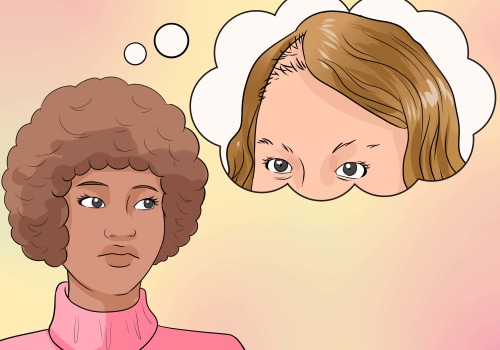
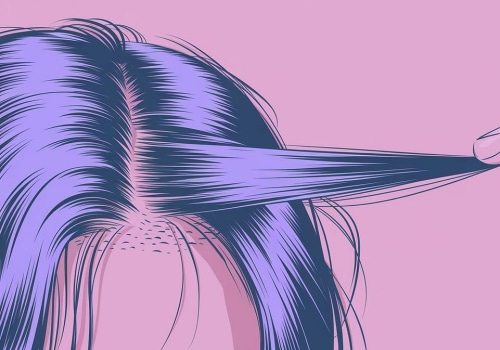
Trichotillomania, often referred to as hair-pulling disorder, is a complex mental health condition that compels individuals to pull out their hair, leading to noticeable hair loss and significant emotional distress. This behavior can occur in various areas of the body, including the scalp, eyebrows, and eyelashes. While it may seem like a simple habit, trichotillomania is classified as a body-focused repetitive behavior (BFRB) and is recognized in the Diagnostic and Statistical Manual of Mental Disorders (DSM-5) as a mental health disorder. Understanding this condition is crucial for those affected, as it can have profound implications on self-esteem, social interactions, and overall quality of life.The symptoms of trichotillomania extend beyond the physical act of hair pulling.
Individuals may experience a range of emotional responses, including feelings of tension before pulling and relief or gratification afterward. This cycle can create a compulsive pattern that is difficult to break. Many people with trichotillomania also report feelings of shame or embarrassment about their behavior, which can lead to social withdrawal and isolation. The impact of this disorder can be far-reaching, affecting personal relationships, professional life, and mental well-being.Recognizing the signs and symptoms of trichotillomania is the first step toward seeking help.
Common indicators include frequent hair loss, noticeable bald patches, and an overwhelming urge to pull hair in response to stress or anxiety. Additionally, individuals may find themselves engaging in rituals surrounding hair pulling, such as examining or playing with the pulled hair. Understanding these symptoms not only helps those affected but also encourages friends and family members to provide support and understanding.As we delve deeper into the available treatment options for trichotillomania, it becomes evident that seeking professional help is essential for managing this disorder effectively. With the rise of online therapy platforms, individuals now have greater access to resources that can aid in their recovery journey. Common indicators include frequent hair loss, noticeable bald patches, and an overwhelming urge to pull hair in response to stress or anxiety. Additionally, individuals may find themselves engaging in rituals surrounding hair pulling, such as examining or playing with the pulled hair. Understanding these symptoms not only helps those affected but also encourages friends and family members to provide support and understanding.As we delve deeper into the available treatment options for trichotillomania, it becomes evident that seeking professional help is essential for managing this disorder effectively. With the rise of online therapy platforms, individuals now have greater access to resources that can aid in their recovery journey.
By addressing both the psychological and behavioral aspects of trichotillomania, individuals can work towards regaining control over their impulses and improving their overall quality of life.
The Causes of Trichotillomania
Understanding the causes of trichotillomania is essential for developing effective treatment strategies. This complex disorder is influenced by a combination of genetic, psychological, and environmental factors, each playing a significant role in its manifestation. is essential for developing effective treatment strategies. This complex disorder is influenced by a combination of genetic, psychological, and environmental factors, each playing a significant role in its manifestation.Genetic Factors
Research suggests that genetics may contribute to the likelihood of developing trichotillomania. Studies indicate that individuals with a family history of this disorder or related conditions, such as obsessive-compulsive disorder (OCD), may have a higher risk. Genetic predisposition can affect brain chemistry and functioning, potentially leading to the development of compulsive behaviors like hair pulling.Psychological Influences
Psychological factors also play a crucial role in trichotillomania.Many individuals with this condition experience underlying mental health issues, such as anxiety, depression, or stress-related disorders. These psychological challenges can exacerbate the urge to pull hair as a coping mechanism. For some, hair pulling may serve as a way to manage overwhelming emotions or distract from negative thoughts.
Environmental Influences
The environment in which an individual grows up can significantly impact their susceptibility to trichotillomania. Factors such as childhood trauma, abuse, or neglect can create emotional distress that may trigger hair-pulling behaviors.Additionally, societal pressures and cultural expectations regarding appearance can contribute to feelings of inadequacy or low self-esteem, further fueling the cycle of hair pulling.
Stress and Coping Mechanisms
Stressful life events often act as catalysts for the onset of trichotillomania. Individuals may resort to hair pulling as a maladaptive coping strategy during times of high stress or emotional turmoil. Recognizing these triggers is vital for effective treatment, as it allows individuals to develop healthier coping mechanisms and address the root causes of their behavior.In summary, the causes of trichotillomania are multifaceted and involve an interplay between genetic predispositions, psychological challenges, and environmental influences. Understanding these factors is crucial for tailoring effective treatment approaches that address not only the symptoms but also the underlying causes of this complex disorder.The Importance of Seeking Treatment for Trichotillomania
Seeking treatment for trichotillomania is crucial for several reasons, as the disorder can have profound effects on an individual's mental, emotional, and physical well-being.Understanding the importance of treatment can empower those affected to take proactive steps toward recovery.One of the most significant consequences of leaving trichotillomania untreated is the potential for escalating symptoms. Initially, hair pulling may seem like a manageable behavior, but over time, it can lead to severe distress and impairment in daily functioning. Individuals may find themselves spending excessive amounts of time pulling hair or hiding the effects of their behavior, which can interfere with work, social interactions, and personal relationships.Moreover, untreated trichotillomania can lead to a range of emotional issues, including:
- Increased Anxiety: The compulsive nature of hair pulling often leads to heightened anxiety levels. Individuals may feel trapped in a cycle of pulling and regret, which exacerbates their emotional distress.
- Depression: The visible effects of trichotillomania, such as bald patches or thinning hair, can significantly impact self-esteem and body image.
This can lead to feelings of shame and isolation, contributing to depressive symptoms.
- Social Withdrawal: As individuals become more self-conscious about their appearance due to hair loss, they may withdraw from social situations. This isolation can further worsen mental health and create a sense of loneliness.
- Develop Coping Strategies: Therapy provides tools to manage urges and develop healthier coping mechanisms for stress and anxiety.
- Improve Self-Esteem: Addressing the underlying issues related to trichotillomania can help individuals rebuild their self-image and confidence.
- Enhance Quality of Life: With effective treatment, individuals can regain control over their behaviors, leading to improved relationships and overall life satisfaction.
Exploring Online Therapy Options
In recent years, the landscape of mental health treatment has evolved significantly, with online therapy emerging as a prominent option for individuals seeking help for various conditions, including trichotillomania.This innovative approach to therapy offers numerous advantages that can make it an appealing choice for those struggling with hair-pulling disorder.One of the primary benefits of online therapy is its convenience. Individuals can engage in therapy sessions from the comfort of their own homes, eliminating the need for travel and reducing the anxiety that may accompany in-person visits. This is particularly beneficial for those with trichotillomania, as they may experience heightened stress in unfamiliar environments or during social interactions.Moreover, online therapy provides a level of flexibility that traditional therapy often lacks. Many platforms offer a variety of scheduling options, allowing clients to choose times that best fit their busy lives.
This flexibility can be crucial for individuals managing trichotillomania, as the disorder can lead to unpredictable patterns of behavior and emotional fluctuations.Another significant advantage is the accessibility of specialized therapists. Online therapy platforms often connect clients with professionals who have specific expertise in treating trichotillomania and related disorders. This means individuals can receive tailored support that addresses their unique challenges and needs.Additionally, online therapy can be more affordable than traditional in-person sessions. Many online services offer competitive pricing and may accept insurance, making mental health care more financially accessible for those who might otherwise forego treatment due to cost concerns.Online therapy also fosters a sense of community through virtual support groups.
These groups allow individuals with trichotillomania to connect with others who share similar experiences, providing a platform for sharing coping strategies and emotional support. The anonymity of online interactions can encourage more open discussions about personal struggles, which can be incredibly therapeutic.In summary, exploring online therapy options for trichotillomania presents a viable path toward recovery. The combination of convenience, flexibility, access to specialized care, affordability, and community support makes online therapy an attractive alternative to traditional methods. For those grappling with this challenging condition, taking advantage of these resources can be a significant step toward managing symptoms and improving overall well-being.
Types of Online Therapy Available for Trichotillomania
When it comes to managing trichotillomania, various online therapy options can provide effective support tailored to individual needs.Understanding the different types of therapy available is crucial for those seeking help. Here, we will explore some of the most prominent online therapy approaches, including cognitive behavioral therapy (CBT) , acceptance and commitment therapy (ACT) , and other therapeutic modalities.
Cognitive Behavioral Therapy (CBT) Online
Cognitive Behavioral Therapy
is one of the most widely used therapeutic approaches for treating trichotillomania. This evidence-based method focuses on identifying and altering negative thought patterns and behaviors associated with hair pulling. Through online CBT sessions, individuals can work with licensed therapists to:
- Recognize triggers that lead to hair-pulling episodes.
- Develop coping strategies to manage urges effectively.
- Practice mindfulness techniques to stay grounded in the moment.
- Set achievable goals for reducing hair-pulling behaviors.
Acceptance and Commitment Therapy (ACT) Online
Acceptance and Commitment Therapy
is another valuable approach for those dealing with trichotillomania.
ACT emphasizes accepting one’s thoughts and feelings rather than fighting against them. This therapy encourages individuals to:
- Acknowledge their urges without judgment.
- Commit to taking action aligned with their values, despite the presence of uncomfortable feelings.
- Utilize mindfulness practices to enhance self-awareness and emotional regulation.
Other Therapeutic Approaches
In addition to CBT and ACT, several other online therapy options can be beneficial for individuals with trichotillomania:- Dialectical Behavior Therapy (DBT): This approach combines cognitive-behavioral techniques with mindfulness strategies, helping individuals manage intense emotions that may trigger hair pulling.
- Support Groups: Online support groups offer a platform for individuals to connect with others facing similar challenges, fostering a sense of community and shared understanding.
- Self-Help Programs: Many online platforms provide structured self-help resources, including worksheets, videos, and guided exercises designed specifically for managing trichotillomania.
Finding the Right Online Therapist for Trichotillomania
Finding the right online therapist for trichotillomania can be a crucial step in managing this challenging condition. With the increasing availability of online therapy, it’s essential to know how to choose a qualified professional who understands the complexities of hair-pulling disorder.Here are some key factors to consider when searching for an online therapist:
- Specialization in Trichotillomania: Look for therapists who specifically mention experience or specialization in treating trichotillomania or related disorders, such as obsessive-compulsive disorder (OCD). This ensures they are familiar with the unique challenges and treatment approaches associated with hair-pulling.
- Qualifications and Credentials: Verify the therapist's qualifications, including their educational background, licenses, and certifications. A licensed mental health professional, such as a psychologist, licensed clinical social worker (LCSW), or licensed professional counselor (LPC), is typically best suited to provide therapy for trichotillomania.
- Therapeutic Approach: Different therapists may use various therapeutic modalities. Cognitive-behavioral therapy (CBT) is often effective for trichotillomania, so inquire whether the therapist employs this method or other evidence-based approaches like acceptance and commitment therapy (ACT).
- Compatibility: Establishing a good rapport with your therapist is vital for effective treatment.
Consider scheduling an initial consultation to gauge your comfort level and communication style with the therapist. Feeling understood and supported can significantly enhance your therapeutic experience.
- Availability and Flexibility: Check the therapist's availability to ensure they can accommodate your schedule. Online therapy often offers more flexible appointment times, which can be beneficial for those managing trichotillomania alongside other commitments.
- Cost and Insurance: Understand the financial aspects of therapy. Some online therapists may offer sliding scale fees or accept insurance, making treatment more accessible.
Be sure to clarify these details before committing.
Online Support Groups and Resources for Trichotillomania
For individuals grappling with trichotillomania, finding a supportive community can be a vital part of the healing process. Online support groups and resources offer a unique opportunity for connection, understanding, and shared experiences. These platforms not only provide emotional support but also valuable information about managing the disorder.Online Support Groups
Online support groups for trichotillomania can be found on various platforms, including social media, dedicated forums, and mental health websites.These groups allow individuals to share their stories, challenges, and coping strategies in a safe and non-judgmental environment. Here are some popular options:
- Facebook Groups: There are numerous private Facebook groups specifically for those with trichotillomania. Members can post questions, share their experiences, and offer support to one another.
- Reddit Communities: Subreddits like r/Trichotillomania provide a platform for users to discuss their struggles and successes. The anonymity of Reddit can encourage open conversations.
- Dedicated Forums: Websites such as Trichotillomania Learning Center host forums where individuals can connect with others facing similar challenges.
Resources for Hair-Pulling Disorder
In addition to support groups, there are numerous resources available that can help individuals understand and manage trichotillomania:- Educational Websites: Websites like the Trichotillomania Learning Center offer comprehensive information about the disorder, including treatment options, coping strategies, and research updates.
- Self-Help Tools: Many online platforms provide self-help resources such as worksheets, videos, and guided exercises designed to help individuals manage their urges and develop healthier habits.
- Mobile Apps: There are several apps available that focus on habit tracking and mindfulness techniques specifically tailored for those with trichotillomania.
Sharing experiences with others who understand the complexities of trichotillomania fosters a sense of belonging and reduces feelings of isolation. Whether through active participation or simply observing discussions, individuals can gain insights that may aid in their journey toward recovery.In conclusion, online support groups and resources play a crucial role in providing community support for those dealing with trichotillomania. By connecting with others and accessing valuable information, individuals can find hope and encouragement as they navigate their path to healing.
Self-Help Strategies for Managing Trichotillomania Online
Managing trichotillomania can be challenging, but incorporating self-help strategies alongside online therapy can significantly enhance your ability to cope with hair-pulling urges. Here are some effective self-help techniques that individuals can utilize:- Awareness and Tracking: Keeping a journal to track your hair-pulling episodes can help you identify triggers and patterns.
Note the time, location, and emotional state when you feel the urge to pull. This awareness can empower you to recognize situations that lead to hair pulling.
- Mindfulness Practices: Engaging in mindfulness exercises, such as meditation or deep breathing, can help you stay grounded and reduce anxiety. These practices encourage you to focus on the present moment, making it easier to manage urges when they arise.
- Substituting Behaviors: Find alternative activities to occupy your hands and mind. Consider using stress balls, fidget spinners, or knitting as substitutes for hair pulling.
Engaging in these activities can redirect your focus and reduce the urge to pull.
- Setting Goals: Establish small, achievable goals related to your hair-pulling behavior. For example, aim to reduce the frequency of pulling by a certain percentage over a month. Celebrate your successes, no matter how small, as this can boost your motivation.
- Creating a Supportive Environment: Modify your surroundings to minimize triggers. For instance, if you tend to pull while watching TV, consider keeping your hands busy with a craft or puzzle during those times.
Surround yourself with supportive friends or family who understand your struggle.
- Utilizing Online Resources: Take advantage of online self-help resources specifically designed for trichotillomania. Websites and apps that offer educational materials, coping strategies, and community support can be invaluable in your journey toward managing this condition.
Success Stories: Overcoming Trichotillomania with Online Therapy
Many individuals struggling with trichotillomania have found hope and healing through online therapy. Their success stories serve as powerful reminders that recovery is possible and that seeking help can lead to significant improvements in quality of life.Emily's Journey: From Isolation to Empowerment
Emily, a 28-year-old graphic designer, had battled trichotillomania for over a decade.
She often felt isolated and ashamed of her condition, which led her to avoid social situations. After learning about online therapy, she decided to give it a try. "I was hesitant at first, but the convenience of being able to talk to a therapist from home made it easier for me to open up," she recalls.Through cognitive-behavioral therapy (CBT) sessions conducted via video calls, Emily learned to identify her triggers and develop coping strategies. "My therapist helped me understand that my hair-pulling was a way to cope with stress and anxiety.
By addressing those underlying issues, I was able to reduce my urges significantly," she shares. Today, Emily feels more empowered and has even started a blog to share her experiences and support others facing similar challenges.
Mark's Transformation: Finding Community
Mark, a 35-year-old teacher, struggled with trichotillomania since his teenage years. He often felt alone in his battle until he discovered an online support group specifically for individuals with hair-pulling disorder. "Joining the group was a game-changer for me.
I realized I wasn’t alone, and hearing others’ stories inspired me to seek therapy," he explains.Through online therapy sessions combined with the support group, Mark learned valuable techniques for managing his urges. "The combination of professional guidance and peer support made all the difference. I felt understood and motivated to work on my recovery," he says. Mark now actively participates in the support group, helping others find their path to healing.
Ashley's Experience: Embracing Mindfulness
Ashley, a 22-year-old college student, turned to online therapy after feeling overwhelmed by her trichotillomania during finals week.
"I needed immediate help but didn’t have time for in-person sessions," she recalls. Through acceptance and commitment therapy (ACT), Ashley learned mindfulness techniques that helped her manage her urges more effectively."Practicing mindfulness allowed me to observe my thoughts without judgment. Instead of reacting by pulling my hair, I learned to sit with my feelings," she explains. Ashley credits her therapist for guiding her through this transformative process, stating that online therapy provided the flexibility she needed during a stressful time in her life.These success stories highlight the effectiveness of online therapy in managing trichotillomania.
Each individual's journey is unique, but they all share a common thread: the courage to seek help and the determination to overcome their challenges. If you or someone you know is struggling with trichotillomania, consider exploring online therapy options as a step towards recovery.
<strong>Conclusion</strong>: Taking the First Step Towards Recovery from Trichotillomania
In conclusion, the journey towards trichotillomania recovery is a deeply personal and often challenging process. However, it is essential to recognize that help is available, and taking the first step towards seeking treatment can lead to significant improvements in one’s quality of life. The importance of seeking help cannot be overstated; it is a crucial component in managing the symptoms of trichotillomania and understanding the underlying factors that contribute to this condition.Online therapy has emerged as a powerful tool for individuals grappling with trichotillomania.The benefits of online therapy are manifold, offering a level of convenience and accessibility that traditional in-person therapy may not provide. For many, the comfort of engaging with a therapist from home can alleviate the anxiety associated with entering a new environment. This is particularly beneficial for those who may feel self-conscious about their condition or who have difficulty accessing local mental health resources.Moreover, online therapy allows for flexible scheduling, enabling individuals to find times that work best for their unique lifestyles. This flexibility can be especially important for those whose symptoms may fluctuate, making it difficult to maintain a consistent routine.
Additionally, many online platforms offer various therapeutic approaches tailored to the needs of those with trichotillomania, including cognitive-behavioral therapy (CBT) and acceptance and commitment therapy (ACT).As you consider your options for treatment, remember that you are not alone in this struggle. Many others share similar experiences and challenges, and connecting with them through online support groups can provide invaluable encouragement and understanding. The path to recovery may be filled with ups and downs, but each step taken towards seeking help is a step towards healing.Ultimately, embracing the journey of recovery from trichotillomania involves acknowledging your feelings, seeking professional guidance, and utilizing available resources. By exploring online therapy options and committing to your mental health, you can pave the way for a brighter future free from the constraints of hair-pulling disorder.