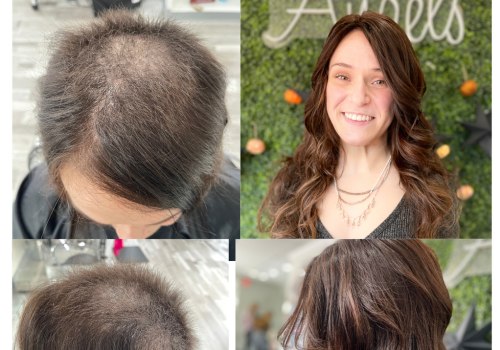
Trichotillomania, often referred to as hair-pulling disorder, is a complex mental health condition that compels individuals to pull out their own hair, leading to noticeable hair loss and significant emotional distress. This behavior is not merely a bad habit; it is classified as an impulse control disorder and can have profound effects on a person's self-esteem and social interactions. Understanding trichotillomania is essential for those affected, as well as for their families and friends, to foster empathy and support.The symptoms of trichotillomania extend beyond the physical act of hair pulling. Many individuals experience feelings of tension before pulling and a sense of relief or gratification afterward.
This cycle can create a challenging emotional landscape, where the individual feels trapped between the urge to pull and the desire to stop. The areas commonly affected include the scalp, eyebrows, and eyelashes, but some may pull hair from other parts of the body. The visible consequences can lead to embarrassment and isolation, further exacerbating the emotional toll.While the exact causes of trichotillomania remain unclear, research suggests that it may arise from a combination of genetic, environmental, and psychological factors. Stressful life events, anxiety disorders, and underlying mental health issues can trigger or worsen symptoms.
Additionally, some studies indicate that individuals with a family history of similar disorders may be more susceptible. Recognizing these potential causes is crucial for developing effective coping strategies, such as deep breathing exercises, which can help manage stress and reduce the urge to pull hair.Additionally, some studies indicate that individuals with a family history of similar disorders may be more susceptible. Recognizing these potential causes is crucial for developing effective coping strategies, such as deep breathing exercises, which can help manage stress and reduce the urge to pull hair., such as deep breathing exercises, which can help manage stress and reduce the urge to pull hair.Additionally, some studies indicate that individuals with a family history of similar disorders may be more susceptible. Recognizing these potential causes is crucial for developing effective coping strategies, such as deep breathing exercises, which can help manage stress and reduce the urge to pull hair.
The Connection Between Stress and Trichotillomania
Understanding the intricate relationship between stress and trichotillomania is crucial for anyone dealing with this challenging condition. Stress and anxiety are not just common experiences; they can significantly exacerbate the symptoms of trichotillomania, leading to an increase in hair-pulling behaviors. This section will explore how these emotional factors intertwine and the importance of managing them effectively.Many individuals with trichotillomania report that their urges to pull hair intensify during periods of heightened stress or anxiety.This connection can be attributed to several underlying mechanisms:
- Emotional Regulation: For some, hair pulling serves as a maladaptive coping mechanism to manage overwhelming emotions. When faced with stress, the act of pulling hair may provide a temporary sense of relief or distraction from emotional pain.
- Heightened Sensitivity: Stress can heighten sensitivity to triggers that prompt hair pulling. Situations that might normally be manageable can become overwhelming, leading to an increased likelihood of engaging in the behavior.
- Physical Tension: Stress often manifests physically, creating tension in the body. This tension can lead individuals to seek physical release through hair pulling, further perpetuating the cycle of stress and compulsive behavior.
Here are some practical steps to manage stress and reduce its impact on trichotillomania:
- Mindfulness Practices: Incorporating mindfulness techniques, such as deep breathing exercises, can help ground individuals during stressful moments. By focusing on the breath, one can create a sense of calm that counters the urge to pull. Incorporating mindfulness techniques, such as deep breathing exercises, can help ground individuals during stressful moments. By focusing on the breath, one can create a sense of calm that counters the urge to pull.
- Identifying Triggers: Keeping a journal to track stress levels and hair-pulling episodes can help identify specific triggers. Understanding what situations lead to increased anxiety allows for proactive management.
- Seeking Support: Connecting with support groups or mental health professionals can provide valuable resources and coping strategies tailored to individual needs. Connecting with support groups or mental health professionals can provide valuable resources and coping strategies tailored to individual needs.
The Role of Deep Breathing Exercises
Deep breathing exercises are a fundamental aspect of mindfulness techniques that can significantly aid individuals coping with trichotillomania.These exercises involve consciously controlling your breath to promote relaxation and mental clarity. By focusing on the rhythm of your breathing, you can create a calming effect that helps to mitigate the overwhelming urges associated with hair pulling.Physiologically, deep breathing exercises activate the body’s relaxation response. When you engage in deep breathing, you stimulate the vagus nerve, which plays a crucial role in regulating heart rate and promoting a state of calm. This process reduces levels of cortisol, the stress hormone, thereby alleviating feelings of anxiety and tension that often trigger hair-pulling episodes.Psychologically, deep breathing fosters mindfulness—a state of active, open attention to the present moment.
This heightened awareness allows individuals to recognize their triggers for trichotillomania more effectively. Instead of reacting impulsively to these urges, practitioners can pause, breathe deeply, and choose a more constructive response. This shift in perspective is vital for developing healthier coping mechanisms.The benefits of incorporating deep breathing exercises into your daily routine extend beyond immediate stress relief. Regular practice can lead to:
- Improved emotional regulation: By learning to control your breath, you also learn to control your emotional responses, making it easier to manage urges.
- Enhanced focus: Deep breathing can sharpen concentration and mental clarity, which is particularly beneficial when dealing with the distractions caused by trichotillomania.
- Increased self-awareness: As you practice mindfulness through deep breathing, you become more attuned to your thoughts and feelings, allowing for better self-reflection and understanding of your condition.
Whether it’s during a quiet moment in the morning or as part of your evening wind-down routine, consistency is key. Additionally, you can use these techniques whenever you feel the urge to pull hair; simply take a moment to breathe deeply and center yourself.In summary, deep breathing exercises serve as a powerful tool for managing trichotillomania. By addressing both physiological and psychological aspects of this condition, they help individuals cultivate a sense of calm and control over their impulses. As part of a comprehensive approach to treatment, these exercises can significantly enhance overall well-being and resilience against the challenges posed by trichotillomania.
How to Practice Deep Breathing Exercises
Practicing deep breathing exercises can be a transformative experience, especially for those coping with trichotillomania.These exercises not only help in managing urges but also promote a sense of calm and well-being. Here’s a step-by-step guide on how to effectively perform deep breathing exercises.
Step-by-Step Guide to Deep Breathing
- Find a Comfortable Position: Start by sitting or lying down in a quiet space where you won’t be disturbed. Ensure your body is relaxed, with your back straight and shoulders down.
- Close Your Eyes: Gently close your eyes to minimize distractions and help you focus inward.
- Inhale Deeply: Take a slow, deep breath in through your nose. Allow your abdomen to expand as you fill your lungs with air.
Count to four as you inhale, feeling the air fill your belly.
- Hold Your Breath: After inhaling, hold your breath for a count of four. This pause allows oxygen to circulate throughout your body.
- Exhale Slowly: Exhale gently through your mouth for a count of six or eight. Focus on releasing any tension or stress as you breathe out.
- Repeat: Continue this cycle for five to ten minutes, maintaining focus on your breath and the sensations in your body.
Tips for Beginners
- Start Small: If you're new to deep breathing, begin with just a few minutes each day and gradually increase the duration as you become more comfortable.
- Create a Routine: Incorporate deep breathing into your daily routine, such as in the morning or before bed, to establish consistency.
- Use Guided Sessions: Consider using guided deep breathing exercises available through apps or online videos. These can provide structure and help you stay focused.
Variations to Enhance Your Practice
You can also explore different techniques to enhance your deep breathing practice:- Pursed Lip Breathing: Inhale through your nose and exhale slowly through pursed lips (as if blowing out a candle).
This technique helps control the pace of your breathing.
- Box Breathing: Inhale for four counts, hold for four counts, exhale for four counts, and hold again for four counts. This method can be particularly effective in reducing anxiety.
- Nadi Shodhana (Alternate Nostril Breathing): Close one nostril with your thumb, inhale through the other nostril, then switch nostrils and exhale. This technique balances energy and promotes relaxation.
Incorporating Deep Breathing into Daily Life
Incorporating deep breathing exercises into your daily routine can significantly enhance your ability to cope with trichotillomania.The key to effectiveness lies in consistency and mindfulness, allowing you to create a structured approach that fits seamlessly into your life. Here are some practical strategies to help you integrate deep breathing into your everyday activities:
- Establish a Routine: Designate specific times during the day for your deep breathing exercises. This could be first thing in the morning, during lunch breaks, or before bedtime. By making it a part of your daily schedule, you are more likely to stick with it.
- Use Reminders: Set reminders on your phone or use sticky notes in visible places to prompt you to take a moment for deep breathing.
These cues can serve as gentle nudges to pause and focus on your breath.
- Combine with Existing Habits: Pair deep breathing with activities you already do regularly. For instance, practice deep breathing while waiting for your coffee to brew or during your commute. This helps reinforce the habit without requiring additional time.
- Create a Calm Environment: Find a quiet space where you can practice deep breathing without distractions. This could be a corner of your home, a park, or even a quiet room at work.
A peaceful environment enhances the effectiveness of the exercise.
- Mindfulness Integration: As you practice deep breathing, focus on being present in the moment. Pay attention to how your body feels as you inhale and exhale. This mindfulness aspect not only aids in relaxation but also helps you become more aware of triggers related to trichotillomania.
Some days may be easier than others, and that’s perfectly normal. The important thing is to keep practicing and remain patient with yourself as you work towards managing trichotillomania. Over time, these small moments of mindfulness can lead to significant improvements in your overall well-being.
Complementary Techniques for Managing Trichotillomania
While deep breathing exercises serve as a powerful tool for managing the symptoms of trichotillomania, incorporating additional coping strategies can further enhance your ability to cope with this challenging condition. Here, we will explore several complementary techniques that can work in tandem with deep breathing to provide a more holistic approach to managing hair-pulling urges.Mindfulness Meditation
Mindfulness meditation is a practice that encourages individuals to focus on the present moment without judgment.This technique can be particularly beneficial for those dealing with trichotillomania, as it helps cultivate awareness of thoughts and feelings that may trigger hair-pulling behavior. By regularly practicing mindfulness meditation, you can develop a greater understanding of your urges and learn to respond to them with compassion rather than impulsivity.
- How to Practice: Find a quiet space, sit comfortably, and close your eyes. Focus on your breath, allowing thoughts to come and go without engaging with them. Start with just a few minutes each day and gradually increase the duration.
Journaling
Journaling is another effective self-help strategy that can help individuals track their triggers and emotional states related to trichotillomania.By writing down your thoughts and feelings, you can gain insights into patterns that lead to hair pulling. This practice not only serves as an emotional outlet but also allows you to reflect on your progress over time.
- Tips for Journaling:
- Write daily about your experiences, focusing on moments when you felt the urge to pull hair.
- Note any emotions or situations that preceded these urges.
- Reflect on how deep breathing or other techniques helped you manage those moments.
Support Groups
Connecting with others who understand the struggles of trichotillomania can be incredibly validating and supportive. Support groups provide a safe space for sharing experiences, challenges, and coping strategies. Engaging with a community can help reduce feelings of isolation and empower individuals to take proactive steps in their recovery journey.- Finding Support: Look for local or online support groups specifically focused on hair-pulling disorders.
Many organizations offer resources and forums where individuals can connect and share their stories.
Seeking Professional Help for Trichotillomania
Managing trichotillomania can be a challenging journey, and while self-help strategies like deep breathing exercises can provide relief, seeking professional help is crucial for long-term management. Professional treatment offers a structured approach to understanding and addressing the underlying issues associated with this hair-pulling disorder.There are several effective therapy options available for individuals struggling with trichotillomania:- Cognitive Behavioral Therapy (CBT): This is one of the most widely recommended therapies for trichotillomania. CBT focuses on identifying negative thought patterns and behaviors that contribute to hair pulling.
Through this therapy, individuals learn coping strategies to manage their urges and develop healthier responses to stress.
- Habit Reversal Training (HRT): A component of CBT, HRT specifically targets the habit of hair pulling. It involves becoming more aware of the triggers that lead to pulling and replacing the behavior with a competing response, such as squeezing a stress ball or engaging in another activity.
- Acceptance and Commitment Therapy (ACT): ACT encourages individuals to accept their thoughts and feelings rather than fighting against them. This therapy helps individuals commit to taking action in line with their values, even in the presence of urges to pull hair.
- Support Groups: Connecting with others who understand the struggles of trichotillomania can be incredibly beneficial. Support groups provide a safe space for sharing experiences, challenges, and coping strategies.
If you find that your hair pulling is affecting your daily life, relationships, or self-esteem, it may be time to consult a mental health professional. Signs that you should seek help include:
- Increased frequency or severity of hair pulling episodes.
- Feelings of shame or embarrassment about your behavior.
- Physical damage to your scalp or other areas where you pull hair.
- Difficulty concentrating or completing daily tasks due to preoccupation with hair pulling.
Conclusion: Embracing Deep Breathing as a Tool for Healing
In summary, deep breathing exercises serve as a powerful ally in the journey of managing trichotillomania.By integrating these techniques into daily routines, individuals can cultivate a sense of calm and mindfulness that directly counters the stress and anxiety often associated with hair-pulling behaviors. The benefits of deep breathing extend beyond mere relaxation; they foster a greater awareness of one’s emotional state, enabling individuals to recognize triggers and respond to them more effectively.As we have explored, the practice of deep breathing not only helps in reducing the immediate urge to pull hair but also contributes to long-term emotional resilience. Regular engagement in these exercises can lead to improved mental health, allowing individuals to navigate their feelings with greater ease. This proactive approach empowers those struggling with trichotillomania to take control of their responses and develop healthier coping mechanisms.It is essential to remember that while deep breathing exercises are beneficial, they should complement a comprehensive treatment plan that may include therapy and support from healthcare professionals.
Seeking help from therapists who specialize in impulse control disorders can provide additional strategies tailored to individual needs. Support groups and online communities can also offer invaluable encouragement and understanding from those who share similar experiences.In conclusion, embracing deep breathing as a tool for healing is not just about managing symptoms; it is about fostering a holistic approach to mental well-being. By prioritizing self-care and incorporating mindfulness practices like deep breathing into everyday life, individuals can pave the way for a more fulfilling existence free from the constraints of trichotillomania. Take the first step today—commit to your mental health journey and explore the transformative power of your breath.