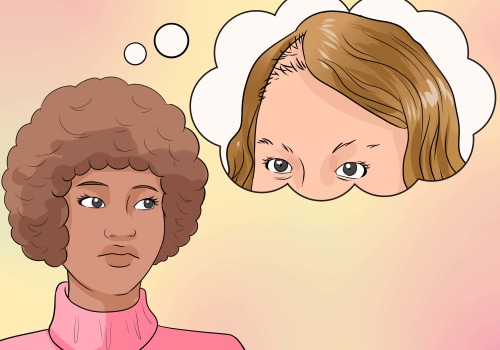
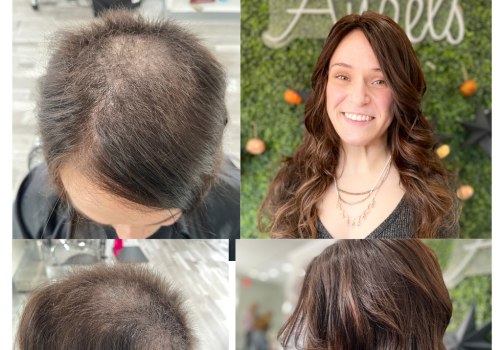
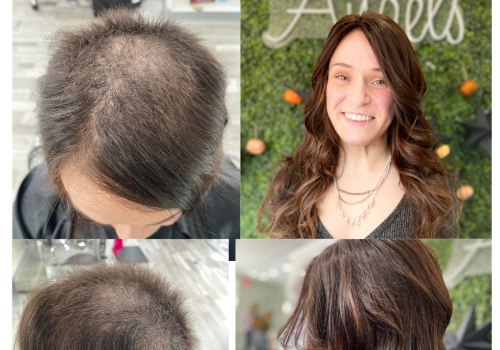
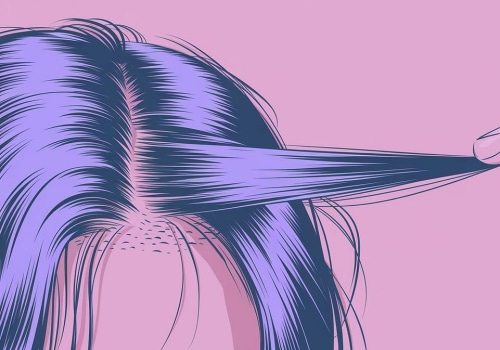
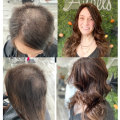
Trichotillomania, often referred to as a hair-pulling disorder, is a complex psychological condition that compels individuals to pull out their own hair, leading to noticeable hair loss and emotional distress. This behavior is not merely a bad habit; it is classified as an impulse control disorder, similar to conditions like obsessive-compulsive disorder (OCD). Those affected by trichotillomania often find themselves in a cycle of pulling hair as a way to cope with stress, anxiety, or even boredom, which can exacerbate feelings of shame and isolation.The symptoms of trichotillomania extend beyond the physical act of hair pulling. Individuals may experience intense urges to pull hair from various parts of their body, including the scalp, eyebrows, and eyelashes.
This compulsive behavior can lead to significant emotional turmoil, including feelings of guilt and frustration. Many people with trichotillomania also engage in rituals surrounding the act of pulling, such as examining the pulled hair or playing with it, which can further entrench the behavior.The impact of trichotillomania on daily life can be profound. It can affect personal relationships, self-esteem, and overall mental health. Many individuals struggle with social anxiety due to their appearance and may avoid situations where they feel exposed or judged.
Understanding trichotillomania is crucial for both those who suffer from it and their loved ones, as it fosters empathy and encourages effective coping strategies.As we delve deeper into this article, we will explore various coping mechanisms that can assist individuals in managing their symptoms. Among these strategies, the use of fidget toys and stress balls has gained attention for their potential to provide distraction and sensory stimulation. These tools can serve as valuable allies in the journey toward managing trichotillomania effectively.Understanding trichotillomania is crucial for both those who suffer from it and their loved ones, as it fosters empathy and encourages effective coping strategies.As we delve deeper into this article, we will explore various coping mechanisms that can assist individuals in managing their symptoms. Among these strategies, the use of fidget toys and stress balls has gained attention for their potential to provide distraction and sensory stimulation. These tools can serve as valuable allies in the journey toward managing trichotillomania effectively..As we delve deeper into this article, we will explore various coping mechanisms that can assist individuals in managing their symptoms. Among these strategies, the use of fidget toys and stress balls has gained attention for their potential to provide distraction and sensory stimulation. These tools can serve as valuable allies in the journey toward managing trichotillomania effectively.Understanding trichotillomania is crucial for both those who suffer from it and their loved ones, as it fosters empathy and encourages effective coping strategies.As we delve deeper into this article, we will explore various coping mechanisms that can assist individuals in managing their symptoms. Among these strategies, the use of fidget toys and stress balls has gained attention for their potential to provide distraction and sensory stimulation. These tools can serve as valuable allies in the journey toward managing trichotillomania effectively.
What is Trichotillomania?
Trichotillomania, often referred to as hair-pulling disorder, is a mental health condition characterized by the compulsive urge to pull out one’s own hair. This behavior can lead to noticeable hair loss and can occur on various parts of the body, including the scalp, eyebrows, and eyelashes.Individuals with trichotillomania may pull hair in response to stress, anxiety, or even boredom, making it a complex disorder that intertwines emotional and behavioral elements.
Symptoms of Trichotillomania
- Compulsive Hair Pulling: The primary symptom is the recurrent pulling of hair, which may be accompanied by a sense of tension before pulling and relief or gratification afterward.
- Hair Loss: This can manifest as bald patches or thinning hair, which may lead to embarrassment or self-consciousness.
- Behavioral Patterns: Individuals may develop rituals around hair pulling, such as examining the pulled hair or playing with it.
- Emotional Distress: Many individuals experience feelings of shame, guilt, or frustration regarding their inability to control the urge to pull hair.
- Interference with Daily Life: The behavior can significantly impact social interactions, work performance, and overall quality of life.
Causes of Trichotillomania
The exact causes of trichotillomania remain unclear; however, several factors are believed to contribute to its development:
- Genetic Factors: Research suggests that trichotillomania may have a hereditary component, indicating that individuals with a family history of similar disorders may be at higher risk.
- Environmental Triggers: Stressful life events, trauma, or significant changes in one’s environment can trigger the onset of trichotillomania in susceptible individuals.
- Psychological Factors: Conditions such as anxiety disorders or obsessive-compulsive disorder (OCD) often co-occur with trichotillomania, suggesting a link between these mental health issues.
- Coping Mechanism: For some individuals, hair pulling serves as a way to cope with negative emotions or stressors, providing temporary relief from anxiety.
The Psychological Aspects of Trichotillomania
Trichotillomania, often referred to as hair-pulling disorder, is not merely a physical condition; it is deeply intertwined with psychological factors that can significantly influence an individual's behavior. Understanding these psychological aspects is crucial for effective management and treatment of the disorder.Emotional Triggers
Many individuals with trichotillomania report that their hair-pulling behavior is often triggered by specific emotional states. Common emotional triggers include:
- Stress: High levels of stress can lead to an increase in hair-pulling episodes.
The act of pulling hair may serve as a temporary relief from overwhelming feelings.
- Anxiety: Individuals may pull their hair as a way to cope with anxiety, using the behavior as a distraction from anxious thoughts or feelings.
- Boredom: In some cases, hair-pulling can occur during periods of inactivity or boredom, where the individual seeks stimulation through repetitive actions.
- Frustration: Feelings of frustration or helplessness can also trigger the urge to pull hair, as individuals may subconsciously seek control over their bodies in response to external pressures.
The Relationship Between Mental Health and Hair-Pulling
Trichotillomania is often associated with other mental health conditions, such as obsessive-compulsive disorder (OCD), depression, and generalized anxiety disorder (GAD). The co-occurrence of these disorders can complicate the experience of trichotillomania, making it essential for individuals to address both their hair-pulling behavior and any underlying mental health issues.For instance, individuals with OCD may find themselves engaging in hair-pulling as a compulsive behavior linked to intrusive thoughts. Similarly, those experiencing depression may use hair-pulling as a maladaptive coping mechanism to deal with feelings of worthlessness or sadness.
Coping Mechanisms and Treatment
Recognizing the psychological factors at play in trichotillomania can lead to more effective coping strategies. Therapy options such as cognitive-behavioral therapy (CBT) focus on identifying and modifying the thought patterns that contribute to hair-pulling behaviors.
Additionally, mindfulness practices can help individuals become more aware of their emotional triggers and develop healthier responses.In conclusion, understanding the psychological aspects of trichotillomania is vital for those affected by the disorder. By identifying emotional triggers and addressing underlying mental health issues, individuals can work towards healthier coping mechanisms and ultimately reduce the frequency and severity of hair-pulling episodes.
Coping Strategies for Trichotillomania
Managing trichotillomania, a condition characterized by the compulsive urge to pull out one’s hair, requires a multifaceted approach that combines professional treatment with effective self-help techniques. While therapy and medication can provide significant relief, incorporating coping strategies into daily life can empower individuals to take control of their urges and promote overall well-being.1.Mindfulness and Awareness
Practicing mindfulness can be a powerful tool for those dealing with trichotillomania. By becoming more aware of the triggers and situations that lead to hair-pulling, individuals can develop strategies to manage their responses.
Techniques such as meditation, deep breathing exercises, or yoga can help cultivate a sense of calm and focus, making it easier to resist the urge to pull hair.
2.Fidget Toys and Stress Balls
As previously discussed, fidget toys and stress balls can serve as effective distractions. Keeping these tools readily available allows individuals to redirect their energy when they feel the urge to pull hair. Experimenting with different types of fidget toys—such as spinners, cubes, or textured balls—can help find the most satisfying option for personal use.
3.Journaling
Maintaining a journal can be an insightful way to track patterns related to hair-pulling behavior. Writing down thoughts and feelings associated with urges can help identify emotional triggers and stressors.
This practice not only promotes self-reflection but also provides an outlet for expressing emotions that may otherwise lead to hair-pulling.
4.Establishing a Routine
Creating a structured daily routine can help minimize opportunities for hair-pulling. Incorporating regular activities that engage both the mind and body—such as exercise, hobbies, or social interactions—can reduce idle time when urges may arise. Setting specific times for relaxation or self-care can also reinforce positive habits.
5.Support Networks
Connecting with others who understand the challenges of trichotillomania can provide invaluable support. Whether through online forums, local support groups, or therapy sessions, sharing experiences and coping strategies fosters a sense of community.
Knowing that others face similar struggles can alleviate feelings of isolation.
6.Professional Guidance
While self-help techniques are essential, they should complement professional treatment rather than replace it. Engaging in therapy—particularly cognitive-behavioral therapy (CBT)—can equip individuals with tailored strategies for managing their condition effectively. A mental health professional can provide guidance on how to implement coping strategies in real-life situations.In conclusion, managing trichotillomania involves a combination of self-help techniques and professional support. By incorporating mindfulness practices, utilizing fidget tools, journaling, establishing routines, seeking support from others, and engaging in therapy, individuals can develop effective coping strategies that empower them to manage their urges and improve their quality of life.
The Role of Fidget Toys in Managing Trichotillomania
Fidget toys have emerged as valuable tools for individuals managing trichotillomania, a condition characterized by the compulsive urge to pull out one’s hair.These toys not only provide a physical outlet for restlessness but also serve as effective distractions from the urges associated with hair-pulling. By engaging the hands and mind, fidget toys can help redirect focus and reduce anxiety, making them an essential part of a comprehensive coping strategy.There are various types of fidget toys available, each designed to cater to different sensory needs and preferences. Here are some popular options:
- Fidget Spinners: These small, handheld devices spin around a central bearing, providing a satisfying motion that can help calm the mind.
- Stress Balls: Squeezing a stress ball can relieve tension and promote relaxation, making it an excellent choice for those feeling overwhelmed.
- Fidget Cubes: These cubes feature multiple sides with different tactile experiences, allowing users to click, glide, flip, and roll various components.
- Tangles: These twistable toys consist of interconnected segments that can be manipulated into various shapes, providing a soothing sensory experience.
- Distraction: Fidget toys can effectively divert attention away from the urge to pull hair, helping individuals manage their impulses more successfully.
- Sensory Stimulation: The tactile feedback from fidget toys can satisfy sensory cravings that may trigger hair-pulling behaviors.
- Anxiety Reduction: Engaging with fidget toys can lower anxiety levels by providing a calming effect during stressful situations.
- Mindfulness Practice: Using fidget toys encourages mindfulness by promoting awareness of one’s actions and feelings, which is crucial in managing trichotillomania.
Incorporating them into daily routines not only aids in coping with hair-pulling tendencies but also fosters a sense of control over one’s actions.
Understanding Stress Balls and Their Benefits
Stress balls are more than just simple toys; they are effective tools that can significantly aid individuals dealing with trichotillomania. These small, squeezable objects provide a tactile experience that can help redirect the compulsive urge to pull hair, offering both physical and psychological benefits.When it comes to understanding how stress balls work, it’s essential to recognize their role in sensory stimulation. The act of squeezing a stress ball engages the muscles in the hand and can create a calming effect on the mind. This physical activity serves as a distraction from the urges associated with trichotillomania, allowing individuals to focus their energy on something constructive rather than harmful.The Psychological Benefits of Stress Balls
Using stress balls can lead to several psychological benefits for those struggling with anxiety and compulsive behaviors:- Reduction of Anxiety: The repetitive motion of squeezing a stress ball can help lower anxiety levels.
This is particularly beneficial for individuals with trichotillomania, as anxiety often triggers hair-pulling episodes.
- Improved Focus: Engaging with a stress ball can enhance concentration. By keeping the hands busy, individuals may find it easier to focus on tasks at hand, reducing the likelihood of succumbing to hair-pulling urges.
- Emotional Regulation: Stress balls can serve as a tool for emotional regulation. When feelings of frustration or stress arise, squeezing a stress ball can provide an outlet for these emotions, helping individuals manage their responses more effectively.
Their ability to provide sensory stimulation, reduce anxiety, and promote emotional regulation makes them an excellent addition to any coping strategy aimed at overcoming this challenging condition.
Choosing the Right Fidget Toys and Stress Balls
When it comes to managing trichotillomania, selecting the right fidget toys and stress balls can make a significant difference in your coping strategy. The effectiveness of these tools often hinges on personal preference, sensory needs, and the specific triggers associated with hair-pulling urges. Here are some key considerations to help you choose the most suitable options.Understanding Your Sensory Preferences
Everyone has unique sensory preferences, which can influence how effective a fidget toy or stress ball will be for them. Consider the following:- Texture: Some individuals may prefer smooth surfaces, while others might find comfort in textured or squishy materials.
Experiment with different textures to see what feels most satisfying.
- Size: The size of the fidget toy or stress ball can impact its usability. Smaller items may be more discreet and portable, while larger ones might provide a more substantial tactile experience.
- Weight: Heavier stress balls can offer a different sensation compared to lighter ones. The weight can affect how satisfying it feels to squeeze and release.
Types of Fidget Toys
There are various types of fidget toys available, each designed to cater to different needs:- Fidget Spinners: These are popular for their simple design and ease of use. They can be spun between fingers, providing a calming effect.
- Tangle Toys: These consist of interconnected segments that can be twisted and turned, offering a satisfying tactile experience.
- Stress Balls: These come in various shapes and materials, allowing for squeezing and releasing, which can help alleviate tension.
Selecting Stress Balls
When choosing stress balls specifically for managing trichotillomania, consider the following factors:- Aromatherapy Options: Some stress balls are infused with calming scents like lavender or chamomile, which can enhance relaxation during use.
- Durability: Look for stress balls made from high-quality materials that can withstand repeated squeezing without losing shape or functionality.
- Design: Choose designs that resonate with you personally—whether it's a fun character or a simple geometric shape—this connection can enhance your engagement with the tool.
Take the time to explore different options and incorporate them into your daily routine. By doing so, you can create a supportive environment that helps mitigate the urges associated with hair-pulling and promotes overall well-being.
Incorporating Fidget Toys and Stress Balls into Daily Life
Incorporating fidget toys and stress balls into your daily life can be a transformative strategy for managing the urges associated with trichotillomania. These tools not only provide distraction but also serve as a means to channel nervous energy into a more constructive outlet. Here are some practical tips on how to effectively integrate these sensory tools into your routine.1.Identify Key Moments
Start by identifying specific times during your day when you feel the strongest urges to pull your hair.This could be during stressful work meetings, while watching television, or even during quiet moments of reflection. By pinpointing these key moments, you can prepare yourself with your fidget toy or stress ball at hand.
2.Create a Fidget-Friendly Environment
Make your surroundings conducive to using fidget toys and stress balls. Keep them in easily accessible places such as:- Your desk at work
- Your bedside table
- Your bag or backpack
- Your car's center console
3.Set Reminders
Incorporate reminders into your daily routine to use your fidget toys or stress balls. You can set alarms on your phone or use sticky notes in visible areas to prompt you to take a moment for yourself.For example, every hour, take a minute to engage with your fidget toy, allowing yourself a brief escape from stress.
4.Use During Mindful Activities
Integrate fidget toys and stress balls into activities that require focus and mindfulness. For instance:- While meditating or practicing deep breathing exercises, use a stress ball to enhance relaxation.
- During study sessions or while reading, keep a fidget toy nearby to help maintain concentration.
5.Share with Others
If you have friends or family members who also experience similar challenges, consider sharing your fidget toys and stress balls with them. Engaging in this practice together can foster a sense of community and support, making it easier to cope with the urges associated with trichotillomania.By thoughtfully incorporating fidget toys and stress balls into your daily life, you can create a supportive environment that helps manage the symptoms of trichotillomania more effectively. Remember that consistency is key; the more you practice using these tools, the more natural it will become to reach for them when needed.Conclusion: Embracing Coping Strategies for Trichotillomania Management
In summary, managing trichotillomania requires a multifaceted approach that encompasses various coping strategies, including the effective use of fidget toys and stress balls.These tools not only provide a physical outlet for the compulsive urges associated with hair-pulling but also serve as a means to promote mindfulness and self-awareness.Throughout this article, we have explored the significant role that fidget toys and stress balls can play in alleviating the symptoms of trichotillomania. By engaging with these tactile objects, individuals can redirect their focus away from hair-pulling behaviors, thereby reducing the frequency and intensity of these urges. The sensory stimulation provided by these tools can be particularly beneficial during moments of heightened anxiety or stress, which are often triggers for hair-pulling.Moreover, incorporating fidget toys and stress balls into daily routines can foster a sense of control over one’s impulses. This proactive approach not only aids in managing symptoms but also encourages individuals to develop healthier coping mechanisms.
It is essential to remember that while these tools are valuable, they should be used in conjunction with other treatment options such as therapy and medication for optimal results.As we conclude, it is vital to emphasize the importance of seeking support from professionals and connecting with others who understand the challenges of living with trichotillomania. Support groups and therapy can provide additional resources and encouragement, making the journey toward recovery less isolating.Ultimately, embracing a comprehensive strategy that includes fidget toys and stress balls can empower individuals to take charge of their trichotillomania management. By recognizing triggers, utilizing effective coping tools, and fostering connections with supportive communities, individuals can navigate their path toward healing and improved well-being.