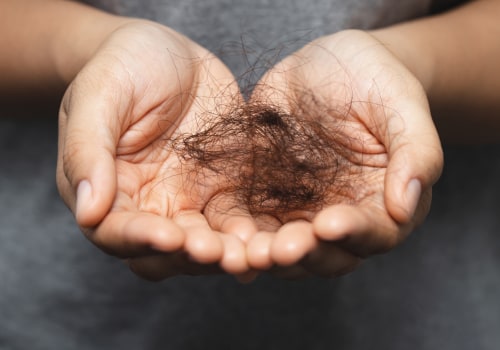
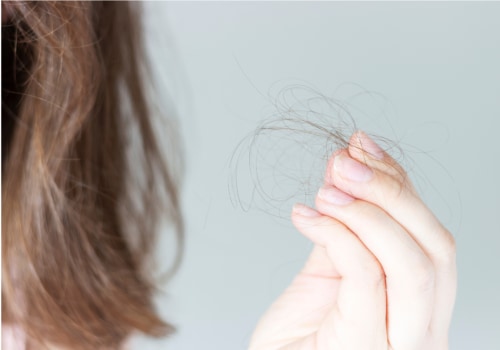
Trichotillomania, often referred to as a hair pulling disorder, is a complex psychological condition that affects a significant number of individuals across various demographics. Characterized by an uncontrollable urge to pull out one’s own hair, this disorder can lead to noticeable hair loss and has profound implications for both emotional and physical well-being. While it may seem like a mere habit to some, for those who experience it, trichotillomania is a serious condition that can disrupt daily life and self-image.Research indicates that trichotillomania affects approximately 1-2% of the population, with many individuals beginning to exhibit symptoms during childhood or adolescence. The prevalence of this disorder highlights the importance of understanding its nuances and the challenges faced by those who struggle with it.
Often misunderstood as a simple nervous habit, trichotillomania is classified as an impulse control disorder and can be linked to underlying emotional distress, anxiety, or trauma.The emotional effects of trichotillomania are particularly significant. Many individuals report feelings of shame, guilt, and embarrassment due to their hair-pulling behavior, which can lead to social withdrawal and decreased self-esteem. The constant battle against the urge to pull hair can create a cycle of anxiety and frustration, further exacerbating the emotional toll. On the physical side, the consequences can be equally distressing; hair loss may result in bald patches or thinning hair, which can lead to skin irritation or infections in the affected areas.Understanding trichotillomania is crucial for fostering empathy and support for those affected.
By delving into its emotional and physical effects, we can better appreciate the complexities of this disorder and work towards effective coping strategies and treatments that can improve quality of life for individuals living with trichotillomania.
What is Trichotillomania?
Trichotillomania, often referred to as hair-pulling disorderhair-pulling disorder, is classified as a mental health condition that compels individuals to pull out their own hair, leading to noticeable hair loss and emotional distress. This behavior can affect any area of the body where hair grows, including the scalp, eyebrows, eyelashes, and even facial hair. The act of pulling hair is often accompanied by a sense of tension before the behavior and a feeling of relief or gratification afterward.Understanding the symptoms of trichotillomania is essential for recognizing the disorder. Common symptoms include:- Recurrent hair pulling: This is the most defining symptom, where individuals repeatedly pull out their hair, often resulting in bald patches or thinning areas.
- Increased tension: Many individuals report feeling an increasing sense of tension or anxiety before pulling their hair.
- Sense of relief: After pulling out hair, individuals often experience a temporary sense of relief or pleasure.
- Attempts to stop: Individuals may try to reduce or stop their hair-pulling behavior but find it difficult to do so.
- Impact on daily life: The disorder can interfere with social interactions, work, and personal relationships due to visible hair loss and associated shame.
- Genetic predisposition: Research suggests that trichotillomania may run in families, indicating a potential genetic link.
- Environmental triggers: Stressful life events, trauma, or significant changes in one’s environment can trigger or exacerbate symptoms.
- Psychological factors: Individuals with anxiety disorders or obsessive-compulsive tendencies may be more susceptible to developing trichotillomania.
- Neurobiological factors: Some studies suggest that imbalances in brain chemicals related to mood regulation may play a role in the disorder.
Recognizing its symptoms and understanding its potential causes are crucial steps toward effective management and treatment.
Emotional Effects of Trichotillomania
Trichotillomania, often referred to as hair-pulling disorder, can lead to a myriad of emotional challenges that significantly affect an individual's mental health. The compulsive nature of this condition often results in feelings of shame and embarrassment, as individuals may feel unable to control their urges. This internal struggle can create a vicious cycle where the act of pulling hair is followed by guilt, further exacerbating emotional distress.Many individuals with trichotillomania report experiencing heightened levels of anxiety. The anticipation of social situations can become overwhelming, as they worry about how others will perceive their appearance.This anxiety can lead to social withdrawal, where individuals isolate themselves to avoid judgment or ridicule. Over time, this isolation can contribute to feelings of loneliness and depression.Moreover, the physical manifestations of trichotillomania, such as noticeable bald patches or thinning hair, can serve as constant reminders of the disorder. This can lead to a negative self-image and low self-esteem. Individuals may find themselves avoiding mirrors or wearing hats and scarves to conceal their hair loss, which only reinforces their feelings of inadequacy.Addressing the emotional effects of trichotillomania is crucial for effective management.
Coping strategies can play a vital role in helping individuals navigate their feelings. Here are some approaches that may be beneficial:
- Therapeutic Support: Engaging with a mental health professional who specializes in behavioral disorders can provide valuable insights and coping mechanisms.
- Mindfulness Practices: Techniques such as meditation and deep-breathing exercises can help reduce anxiety and promote emotional regulation.
- Journaling: Keeping a journal can serve as an outlet for expressing feelings and tracking triggers related to hair-pulling behavior.
- Support Groups: Connecting with others who understand the struggles associated with trichotillomania can foster a sense of community and reduce feelings of isolation.
Physical Effects of Trichotillomania
Trichotillomania, often referred to as hair-pulling disorder, manifests not only emotionally but also through various physical symptoms that can significantly affect an individual's well-being. Understanding these physical effects is crucial for recognizing the full impact of this disorder on a person's life.One of the most noticeable physical symptoms of trichotillomania is hair loss.Individuals may experience patchy bald spots or overall thinning of hair, which can lead to a variety of emotional responses, including embarrassment and self-consciousness. The extent of hair loss can vary widely among individuals; some may only pull from specific areas, while others may engage in more widespread pulling. This can result in:
- Bald patches: These are often most visible on the scalp but can occur in other areas such as eyebrows and eyelashes.
- Thinning hair: Continuous pulling can weaken hair follicles, leading to a gradual reduction in hair density.
- Changes in hair texture: The remaining hair may become brittle or damaged due to the stress placed on the follicles.
Common skin-related effects include:
- Redness and inflammation: Frequent pulling can irritate the skin, resulting in redness and swelling around the affected areas.
- Cuts and abrasions: The physical act of pulling can lead to minor injuries that may become infected if not properly cared for.
- Scarring: In severe cases, repeated trauma to the skin can result in permanent scarring, which may further exacerbate feelings of self-consciousness.
Understanding the Causes of Trichotillomania
Understanding the causes of trichotillomania is crucial for developing effective treatment strategies.This complex disorder does not have a single identifiable cause; rather, it is believed to arise from a combination of genetic, environmental, and psychological factors.
Genetic Factors
Research suggests that genetics may play a significant role in the development of trichotillomania. Individuals with a family history of hair-pulling or other related disorders, such as obsessive-compulsive disorder (OCD), may be at a higher risk. Studies indicate that certain genetic markers could predispose individuals to compulsive behaviors, including hair-pulling. While no specific gene has been definitively linked to trichotillomania, the heritability of the disorder suggests that genetic factors are influential.Environmental Triggers
In addition to genetic predispositions, environmental factors can also contribute to the onset of trichotillomania.Stressful life events, such as trauma, loss, or significant changes in one’s environment, can trigger or exacerbate symptoms. For instance:
- Childhood Trauma: Experiences of abuse or neglect during childhood can lead to coping mechanisms that manifest as hair-pulling.
- Social Pressures: Bullying or social isolation can increase feelings of anxiety and low self-esteem, which may trigger hair-pulling as a form of self-soothing.
- Life Transitions: Major life changes, such as moving to a new city or starting a new job, can create stress that may lead to the onset of trichotillomania.
The Role of Psychological Factors
Psychological aspects also play a critical role in trichotillomania. Many individuals report using hair-pulling as a way to cope with anxiety, boredom, or emotional distress.This behavior often becomes a compulsive cycle where the act of pulling provides temporary relief but ultimately leads to feelings of guilt and shame. Addressing these underlying psychological issues through therapy can be an effective way to break this cycle and reduce the frequency of hair-pulling episodes.In summary, the causes of trichotillomania are multifaceted and involve an interplay between genetic predispositions, environmental triggers, and psychological factors. A comprehensive understanding of these elements can aid in creating targeted treatment strategies that address the unique needs of each individual affected by this disorder.
Treatment Options for Trichotillomania
Managing trichotillomania effectively requires a multifaceted approach tailored to the individual. Treatment options can vary widely, encompassing both therapeutic interventions and medication, depending on the severity of the disorder and the specific needs of the person affected. effectively requires a multifaceted approach tailored to the individual. Treatment options can vary widely, encompassing both therapeutic interventions and medication, depending on the severity of the disorder and the specific needs of the person affected.Therapeutic Approaches
One of the most effective methods for treating trichotillomania is through therapy.Various therapeutic modalities can help individuals understand their urges and develop healthier coping mechanisms. Some of the most commonly used therapies include:
- Cognitive Behavioral Therapy (CBT): This evidence-based approach focuses on identifying and changing negative thought patterns and behaviors associated with hair pulling. CBT helps individuals recognize triggers and develop strategies to manage their impulses.
- Habit Reversal Training (HRT): A component of CBT, HRT teaches individuals to become more aware of their hair-pulling behavior and replace it with alternative, less harmful actions. This technique often includes practicing competing responses to the urge to pull hair.
- Acceptance and Commitment Therapy (ACT): ACT encourages individuals to accept their thoughts and feelings without judgment while committing to actions that align with their values.
This can help reduce the emotional distress associated with trichotillomania.
Medication Options
In some cases, medication may be prescribed to help manage symptoms associated with trichotillomania, particularly if there are co-occurring conditions such as anxiety or depression. Some common medications include:- Selective Serotonin Reuptake Inhibitors (SSRIs): These antidepressants can help alleviate symptoms of anxiety and depression, which may contribute to hair-pulling behaviors.
- N-acetylcysteine (NAC): An amino acid supplement that has shown promise in reducing hair-pulling urges in some studies, NAC may help modulate glutamate levels in the brain.
- Atypical Antipsychotics: In certain cases, medications like olanzapine may be considered for individuals who do not respond well to other treatments.
Support for Individuals with Trichotillomania
For individuals grappling with trichotillomania, finding support can be a crucial step toward managing the disorder effectively.The journey can often feel isolating, but connecting with others who share similar experiences can provide comfort, understanding, and practical coping strategies.
Support Groups for Trichotillomania
- Support groups offer a safe space for individuals to share their stories, challenges, and triumphs. These gatherings can take place in person or online, allowing for flexibility based on personal preferences and geographical limitations.
- Many organizations, such as the Trichotillomania Learning Center (TLC), provide resources and facilitate support groups specifically for those affected by trichotillomania. These groups often focus on sharing coping mechanisms and fostering a sense of community.
- Participating in a support group can help reduce feelings of shame and isolation, as members realize they are not alone in their struggles.
Online Communities
- The internet has made it easier than ever to connect with others dealing with trichotillomania. Online forums and social media groups provide platforms where individuals can discuss their experiences, seek advice, and offer support.
- Websites like Reddit have dedicated subreddits where users can share their journeys, ask questions, and find encouragement from others who understand the complexities of this disorder.
- These online communities often serve as a lifeline for those who may not have access to local support groups or prefer the anonymity that online interactions provide.
Coping Strategies
- In addition to connecting with others, developing personal coping strategies is essential for managing trichotillomania.
Many individuals find that mindfulness techniques, such as meditation or deep breathing exercises, can help reduce the urge to pull hair.
- Keeping a journal to track triggers and emotions can also be beneficial. This practice allows individuals to identify patterns in their behavior and develop proactive strategies to address urges before they escalate.
- Engaging in alternative activities that occupy the hands—such as knitting, drawing, or using stress balls—can serve as effective distractions during moments of temptation.
Frequently Asked Questions about Trichotillomania
Trichotillomania, often referred to as hair-pulling disorder, raises numerous questions and misconceptions. Addressing these frequently asked questions can help clarify the nature of this condition and provide support for those affected.What is trichotillomania?
Trichotillomania is a mental health disorder characterized by an uncontrollable urge to pull out one’s own hair.This behavior can lead to noticeable hair loss and significant emotional distress. It is classified as a type of obsessive-compulsive disorder (OCD) and can affect individuals of all ages, although it often begins in childhood or adolescence.
Is trichotillomania a choice?
No, trichotillomania is not a choice. Individuals with this disorder do not pull their hair out intentionally; rather, they experience an overwhelming compulsion that they struggle to control. This behavior is often a coping mechanism for dealing with stress, anxiety, or other emotional challenges.Can trichotillomania be cured?
While there is currently no definitive cure for trichotillomania, many individuals find effective ways to manage their symptoms through therapy, medication, and support.Cognitive Behavioral Therapy (CBT) has shown promising results in helping individuals identify triggers and develop healthier coping strategies.
Are there any myths about trichotillomania?
- Myth: Trichotillomania only affects women.
- Fact: While it is more commonly reported in women, men can also be affected by this disorder.
- Myth: People with trichotillomania are just trying to get attention.
- Fact: The urge to pull hair is often driven by internal struggles rather than a desire for attention.
How can I support someone with trichotillomania?
If you know someone struggling with trichotillomania, offering your understanding and support is crucial. Encourage them to seek professional help and be patient as they navigate their journey. Avoid judgment or criticism, as this can exacerbate feelings of shame or isolation.By addressing these common questions and misconceptions about trichotillomania, we can foster a better understanding of the disorder and create a supportive environment for those affected.Conclusion: Moving Forward with Understanding and Support
In conclusion, understanding trichotillomania is crucial for both those who experience it and the people around them. This disorder, characterized by the compulsive urge to pull out one’s hair, can lead to significant emotional and physical challenges.Throughout this article, we have explored the multifaceted nature of trichotillomania, highlighting its emotional toll, such as feelings of shame and isolation, as well as its physical consequences, including hair loss and skin damage.Recognizing the emotional effects is particularly important. Individuals suffering from trichotillomania often grapple with low self-esteem and anxiety, which can exacerbate their condition. The cycle of pulling hair can create a sense of relief in the moment but ultimately leads to deeper feelings of distress and regret. Understanding this cycle is essential for fostering empathy and support for those affected.On the physical side, the visible signs of hair loss can lead to social withdrawal and further emotional distress.
It is vital for friends and family to approach this topic with sensitivity and understanding, as the stigma surrounding hair-pulling can make individuals feel even more isolated.Seeking help is a critical step in managing trichotillomania. Professional treatment options, including therapy and medication, can provide effective strategies for coping with urges and addressing underlying issues. Cognitive Behavioral Therapy (CBT) has shown promise in helping individuals identify triggers and develop healthier coping mechanisms.Moreover, support networks play an invaluable role in recovery. Engaging with support groups or online communities allows individuals to share their experiences and learn from others facing similar challenges.
This sense of community can be incredibly empowering and can help reduce feelings of isolation.Ultimately, moving forward with a comprehensive understanding of trichotillomania involves acknowledging both its emotional and physical effects. By fostering open conversations about this disorder and encouraging those affected to seek help, we can create a more supportive environment that promotes healing and recovery.