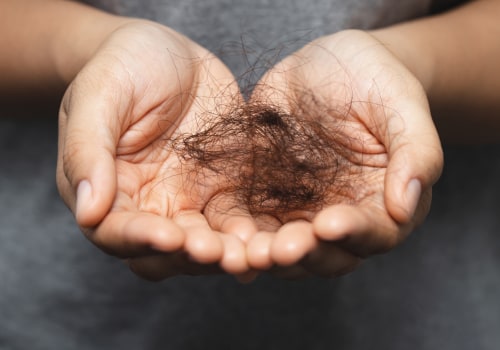
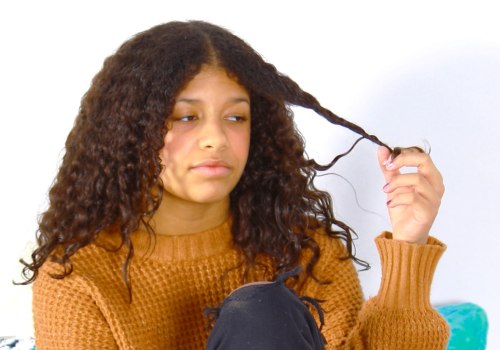
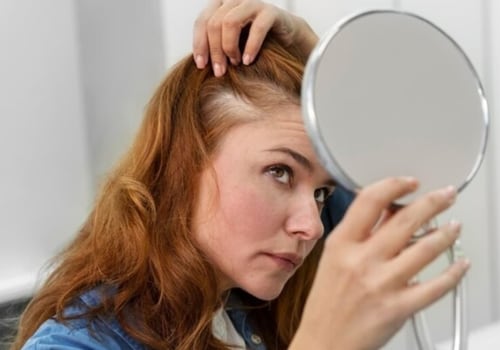
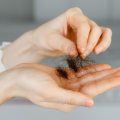
Trichotillomania, often referred to as hair pulling disorder, is a complex psychological condition that falls under the umbrella of Body-Focused Repetitive Behaviors (BFRBs)Body-Focused Repetitive Behaviors (BFRBs). This disorder is characterized by an uncontrollable urge to pull out one’s own hair, leading to noticeable hair loss and significant emotional distress. Individuals affected by trichotillomania may pull hair from various parts of their body, including the scalp, eyebrows, and eyelashes. The behavior can be both a coping mechanism for stress and anxiety or a compulsive act that individuals feel powerless to control.The significance of understanding trichotillomania extends beyond its physical manifestations; it encompasses the emotional and psychological toll it takes on those who experience it.
Many individuals with this disorder report feelings of shame, embarrassment, and isolation, which can exacerbate their symptoms and hinder their willingness to seek help. As awareness of BFRBs grows, so does the recognition of the need for specialized treatment options tailored to address the unique challenges posed by trichotillomania.In this comprehensive guide, we will explore the various aspects of trichotillomania, including its causes, symptoms, and the impact it has on daily life. We will also delve into the roles of BFRB specialists and treatment centers in providing effective support and intervention. By shedding light on these critical resources, we aim to empower individuals affected by trichotillomania to take proactive steps toward recovery and improve their overall quality of life.Many individuals with this disorder report feelings of shame, embarrassment, and isolation, which can exacerbate their symptoms and hinder their willingness to seek help. As awareness of BFRBs grows, so does the recognition of the need for specialized treatment options tailored to address the unique challenges posed by trichotillomania.In this comprehensive guide, we will explore the various aspects of trichotillomania, including its causes, symptoms, and the impact it has on daily life. We will also delve into the roles of BFRB specialists and treatment centers in providing effective support and intervention. By shedding light on these critical resources, we aim to empower individuals affected by trichotillomania to take proactive steps toward recovery and improve their overall quality of life.
What is Trichotillomania?
Trichotillomania
, commonly referred to as hair pulling disorder, is classified as a Body-Focused Repetitive Behavior (BFRB).
It is characterized by an uncontrollable urge to pull out one’s own hair, which can lead to noticeable hair loss and significant emotional distress. This condition is not merely a habit; it is a complex psychological disorder that can severely impact an individual’s quality of life.The symptoms of trichotillomania can vary widely among individuals, but they generally include:
- Recurrent Hair Pulling: The primary symptom is the repeated pulling out of hair from the scalp, eyebrows, eyelashes, or other areas of the body.
- Hair Loss: This behavior often results in visible bald patches or thinning hair, which can lead to embarrassment and social withdrawal.
- Increased Tension: Many individuals report feeling tension or anxiety before pulling their hair and a sense of relief or gratification afterward.
- Attempts to Stop: Individuals may have made multiple unsuccessful attempts to reduce or stop their hair pulling behavior.
- Emotional Distress: The disorder often leads to feelings of shame, guilt, or frustration, impacting self-esteem and overall mental health.
Studies suggest that girls are more likely to develop trichotillomania than boys, with some estimates indicating that females may be affected up to three times more than males.While the exact causes of trichotillomania remain unclear, it is believed to be influenced by a combination of genetic, environmental, and psychological factors. Individuals with a family history of BFRBs or other mental health disorders may be at a higher risk. Additionally, stressful life events or trauma can trigger the onset of symptoms.Understanding trichotillomania is crucial for recognizing its signs in oneself or others. Early identification and intervention can significantly improve outcomes and help individuals regain control over their lives.
Causes of Trichotillomania
Understanding the causes of trichotillomania is essential for developing effective treatment strategies and fostering empathy for those affected by this complex disorder.The origins of trichotillomania are multifaceted, involving a combination of genetic, environmental, and psychological factors.
Genetic Factors
Research indicates that genetics may play a significant role in the development of trichotillomania. Individuals with a family history of BFRBs (Body-Focused Repetitive Behaviors) or other mental health disorders are at a higher risk of developing this condition. Studies suggest that certain genetic markers may predispose individuals to impulsive behaviors, making them more susceptible to hair pulling. While no single gene has been identified as the cause, the interplay of multiple genes may contribute to the likelihood of developing trichotillomania.Environmental Triggers
In addition to genetic predispositions, environmental factors can significantly influence the onset and severity of trichotillomania.Stressful life events, such as trauma, loss, or significant changes in one’s environment, can act as triggers for hair pulling behaviors. For instance, children who experience bullying or academic pressure may resort to hair pulling as a coping mechanism. Furthermore, environments that lack support or understanding can exacerbate feelings of isolation and anxiety, leading to an increase in hair pulling episodes.
Psychological Factors
The psychological landscape surrounding trichotillomania is equally complex. Many individuals with this disorder also experience co-occurring mental health issues such as anxiety, depression, or obsessive-compulsive disorder (OCD).These conditions can create a cycle where hair pulling serves as a temporary relief from emotional distress but ultimately leads to greater feelings of shame and guilt. Understanding these psychological triggers is crucial for effective treatment, as addressing underlying mental health issues can significantly improve outcomes for those struggling with trichotillomania.In summary, the causes of trichotillomania are not solely rooted in one aspect but rather emerge from a combination of genetic vulnerabilities, environmental stressors, and psychological challenges. Recognizing this complexity is vital for developing comprehensive treatment plans that address all contributing factors.
Types of BFRB Specialists
When it comes to managing trichotillomania, a multifaceted approach involving various specialists is often the most effective strategy. Each type of professional plays a unique role in the treatment process, contributing to a comprehensive plan tailored to the individual's needs.Below are the primary types of BFRB specialists who can assist those struggling with trichotillomania.
Therapists
Therapists are typically the first point of contact for individuals seeking help for trichotillomania. They provide essential talk therapy, which can be instrumental in addressing the psychological aspects of the disorder. Here are some common types of therapists:- Clinical Psychologists: These professionals specialize in diagnosing and treating mental health disorders. They often employ evidence-based therapies such as Cognitive Behavioral Therapy (CBT) and Habit Reversal Training (HRT), which have shown effectiveness in reducing hair-pulling behaviors.
- Licensed Clinical Social Workers (LCSWs): LCSWs provide therapy and support while also helping clients navigate social services and community resources.
Their holistic approach can be beneficial for individuals dealing with the emotional fallout of trichotillomania.
- Marriage and Family Therapists (MFTs): For those whose trichotillomania affects family dynamics, MFTs can facilitate family therapy sessions that address relational issues and improve communication among family members.
Psychiatrists
Psychiatrists are medical doctors who specialize in mental health. They can prescribe medications that may help manage symptoms associated with trichotillomania, such as anxiety or depression. Their role is crucial for individuals who may benefit from pharmacological interventions alongside therapy. Psychiatrists often collaborate with therapists to create a cohesive treatment plan that addresses both medication management and therapeutic needs.Support Groups
Support groups offer a unique avenue for individuals with trichotillomania to connect with others facing similar challenges.These groups can be led by trained facilitators or peers who have personal experience with the disorder. The benefits of support groups include:
- Community and Understanding: Participants often find solace in sharing their experiences, knowing they are not alone in their struggles.
- Shared Strategies: Members can exchange coping strategies and techniques that have worked for them, providing practical tools for managing urges.
- Emotional Support: The encouragement and empathy found in these groups can significantly enhance an individual's motivation to pursue recovery.
Treatment Options for Trichotillomania
When it comes to managing trichotillomania, also known as hair pulling disorder, a variety of treatment options are available. Each individual may respond differently to these treatments, making it essential to explore multiple avenues to find the most effective approach.Below, we delve into the primary treatment modalities for trichotillomania, including therapy options, medications, and alternative methods.
Cognitive Behavioral Therapy (CBT)
Cognitive Behavioral Therapy (CBT) is one of the most widely recommended therapeutic approaches for trichotillomania. This evidence-based therapy focuses on identifying and altering negative thought patterns and behaviors associated with hair pulling. Through CBT, individuals learn to recognize triggers that lead to hair pulling and develop coping strategies to manage their urges.- Effectiveness: Numerous studies have shown that CBT can significantly reduce the frequency of hair pulling episodes and improve overall emotional well-being.
- Duration: Treatment typically involves weekly sessions over several months, depending on individual progress.
- Skills Learned: Patients often learn relaxation techniques, mindfulness practices, and self-monitoring skills that can be beneficial in managing their condition.
Habit Reversal Training (HRT)
Another effective treatment option is Habit Reversal Training (HRT), which is often used in conjunction with CBT. HRT focuses on increasing awareness of hair pulling behaviors and replacing them with healthier alternatives.- Components: HRT includes awareness training, competing response training, and social support components.
- Awareness Training: Individuals learn to identify when they are about to pull their hair and the situations that trigger this behavior.
- Competing Response Training: Patients are taught alternative behaviors to engage in when they feel the urge to pull, such as squeezing a stress ball or engaging in a different activity.
Medications
In some cases, medication may be prescribed to help manage symptoms associated with trichotillomania.While no medications are specifically approved for this disorder, certain types have shown promise in clinical studies.
- Selective Serotonin Reuptake Inhibitors (SSRIs): Medications like fluoxetine have been used to help alleviate symptoms of anxiety and depression that may accompany trichotillomania.
- Clomipramine: This tricyclic antidepressant has been found effective in reducing hair pulling behaviors in some patients.
- Potential Side Effects: As with any medication, there can be side effects such as nausea, weight gain, or changes in mood. It is crucial to discuss these with a healthcare provider before starting any medication regimen.
Alternative Methods
Apart from traditional therapies and medications, several alternative methods may assist individuals in managing their trichotillomania effectively:- Mindfulness Techniques: Practices such as meditation and deep breathing can help reduce stress and increase awareness of urges to pull hair.
- N-acetylcysteine (NAC): Some studies suggest that this supplement may help reduce hair pulling behaviors by modulating glutamate levels in the brain.
- Support Groups: Engaging with others who share similar experiences can provide emotional support and practical strategies for coping with trichotillomania.
The Importance of Support Systems
When it comes to managing trichotillomania, the significance of a robust support system cannot be overstated. Individuals grappling with this condition often face emotional and psychological challenges that can feel overwhelming.Having a network of supportive family members, friends, and peers can make a substantial difference in the recovery journey.
The Role of Family and Friends
Family and friends play a pivotal role in providing emotional support for those dealing with trichotillomania. Their understanding and encouragement can help individuals feel less isolated in their struggles. Here are some ways family and friends can contribute:- Listening Without Judgment: It’s essential for loved ones to create a safe space where individuals can express their feelings without fear of judgment. Active listening can validate their experiences and emotions.
- Encouragement: Positive reinforcement from family and friends can motivate individuals to seek treatment and adhere to their recovery plans.
Simple words of encouragement can boost confidence and resilience.
- Education: Family members who educate themselves about trichotillomania can better understand what their loved one is going through. This knowledge fosters empathy and equips them to provide informed support.
Support Groups for BFRBs
In addition to familial support, joining a support group specifically for individuals with body-focused repetitive behaviors (BFRBs) can be incredibly beneficial. These groups offer a unique environment where individuals can share their experiences, challenges, and successes with others who truly understand their struggles. Here are some advantages of participating in support groups:- Shared Experiences: Hearing from others who have faced similar challenges can provide comfort and reduce feelings of isolation.
It helps individuals realize they are not alone in their journey.
- Coping Strategies: Support groups often share effective coping mechanisms and strategies that have worked for others, providing new tools for managing urges to pull hair.
- Accountability: Being part of a group creates a sense of accountability. Members often encourage each other to stay committed to their recovery goals.
Finding the Right Treatment Center
Choosing the right treatment center for trichotillomania is a critical step in the recovery journey.With various options available, it’s essential to consider several factors to ensure that the chosen facility aligns with your specific needs and preferences. Here are some key aspects to keep in mind when searching for a treatment center:
- Location: The proximity of the treatment center can significantly impact your ability to attend sessions consistently. Consider whether you prefer a center close to home for convenience or if you are open to traveling for a facility that specializes in BFRB treatments.
- Treatment Approaches: Different centers may employ various therapeutic methods. Look for facilities that offer evidence-based treatments such as Cognitive Behavioral Therapy (CBT) or Habit Reversal Training (HRT), which have shown effectiveness in managing trichotillomania.
Additionally, inquire about any holistic or alternative therapies they may provide.
- Staff Qualifications: The expertise of the staff is paramount. Research the qualifications and experience of therapists, psychologists, and psychiatrists at the center. Ensure they have specific training in treating body-focused repetitive behaviors and understand the complexities of trichotillomania.
- Support Services: A comprehensive treatment plan often includes support services such as group therapy, family counseling, and educational resources. Check if the center offers these additional services to enhance your recovery experience.
- Insurance Coverage: Verify whether the treatment center accepts your insurance plan.
Understanding your financial responsibilities upfront can help avoid unexpected costs during treatment.
- Patient Reviews: Reading testimonials from former patients can provide insight into the effectiveness of the treatment center. Look for reviews that discuss not only the success rates but also the overall environment and support provided by the staff.
Success Stories: Overcoming Trichotillomania
Overcoming trichotillomania is a journey that many individuals embark on, and their success stories can serve as powerful sources of inspiration for others facing similar challenges.Here are a few narratives that highlight the resilience and determination of those who have sought help for their hair pulling disorder.
Samantha's Journey to Recovery
Samantha struggled with trichotillomania since her teenage years. Despite trying various self-help methods, she found herself trapped in a cycle of hair pulling that left her feeling isolated and ashamed. After years of battling this disorder alone, she decided to reach out to a BFRB specialist. Through a combination of Cognitive Behavioral Therapy (CBT) and support from a local support group, Samantha learned to identify her triggers and develop healthier coping mechanisms.Today, she has been pull-free for over a year and actively shares her story to encourage others to seek help.
Michael's Transformation
Michael had been pulling his hair for as long as he could remember, often hiding his condition from friends and family. The shame he felt was overwhelming, but he finally took the brave step of seeking treatment at a specialized BFRB center. With the guidance of therapists and the support of fellow group members, Michael learned effective strategies to manage his urges. He now participates in community outreach programs to raise awareness about trichotillomania and inspire others to pursue their own recovery journeys.Amy's Empowering Experience
Amy's battle with trichotillomania lasted over a decade before she found the courage to seek help.Initially hesitant to discuss her condition, she eventually joined a support group where she connected with others who shared similar experiences. This sense of community was transformative for Amy; it helped her realize that she was not alone in her struggles. With ongoing therapy and the encouragement of her peers, Amy has made significant progress in managing her disorder and now advocates for mental health awareness.These success stories illustrate that recovery from trichotillomania is possible with the right support and treatment. Each individual's journey is unique, but they all share a common thread: the courage to seek help and the determination to overcome their challenges.
If you or someone you know is struggling with trichotillomania, remember that there is hope and help available.
Conclusion: The Path to Recovery from Trichotillomania
As we conclude our exploration of trichotillomania and the resources available for those affected by this challenging condition, it is essential to reflect on the key points discussed throughout this guide. Understanding trichotillomania is the first step towards recovery, as it allows individuals and their loved ones to recognize the complexities of this disorder and the impact it can have on daily life.Throughout this article, we have highlighted various treatment options available for managing trichotillomania. These include:- Cognitive Behavioral Therapy (CBT): A widely recognized therapeutic approach that helps individuals identify and modify negative thought patterns and behaviors associated with hair pulling.
- Habit Reversal Training (HRT): A technique that focuses on recognizing triggers and replacing hair pulling with healthier coping mechanisms.
- Medication: In some cases, medications such as selective serotonin reuptake inhibitors (SSRIs) may be prescribed to help manage underlying anxiety or depression that can exacerbate trichotillomania.
- Support Groups: Connecting with others who share similar experiences can provide emotional support and practical strategies for coping with the disorder.
Specialists such as therapists, psychiatrists, and support group facilitators play a vital role in creating a comprehensive treatment plan tailored to individual needs. Their expertise not only aids in symptom management but also fosters a sense of community and understanding.Moreover, recovery from trichotillomania is a journey that requires patience, resilience, and support. It is important to remember that progress may come in small steps, and setbacks are a natural part of the healing process. By actively engaging in treatment and utilizing available resources, individuals can reclaim control over their lives.In summary, understanding trichotillomania and its treatment options is essential for anyone affected by this disorder.
Seeking professional help is a vital step towards recovery, offering hope and the possibility of a fulfilling life free from the constraints of hair pulling. Remember, you are not alone on this journey; support is available, and recovery is possible.