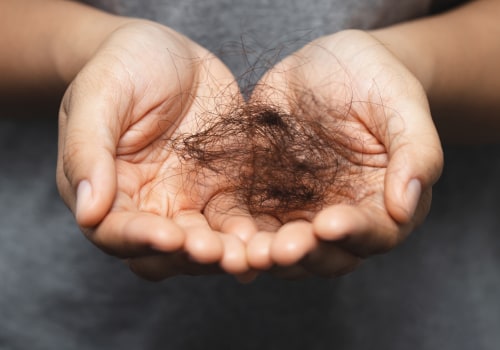
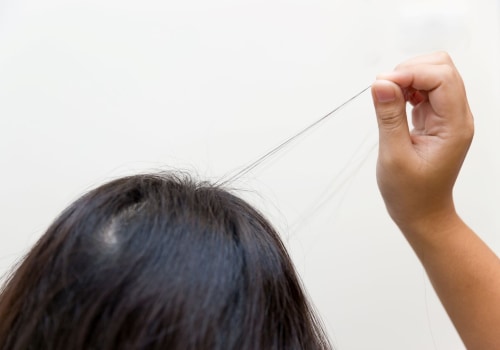
Trichotillomania, often referred to as hair-pulling disorder, is a mental health condition that compels individuals to pull out their own hair, leading to noticeable hair loss. This behavior can occur on various parts of the body, including the scalp, eyebrows, and eyelashes. For many, the urge to pull hair is not merely a habit but a coping mechanism for dealing with stress, anxiety, or emotional distress. Understanding trichotillomania is essential for those affected and their loved ones, as it sheds light on the complexities of this disorder and emphasizes the need for a robust support network.The symptoms of trichotillomania can vary significantly from person to person. , is a mental health condition that compels individuals to pull out their own hair, leading to noticeable hair loss. This behavior can occur on various parts of the body, including the scalp, eyebrows, and eyelashes. For many, the urge to pull hair is not merely a habit but a coping mechanism for dealing with stress, anxiety, or emotional distress. Understanding trichotillomania is essential for those affected and their loved ones, as it sheds light on the complexities of this disorder and emphasizes the need for a robust support network.The symptoms of trichotillomania can vary significantly from person to person.
While the most apparent symptom is the act of pulling hair, individuals may also experience feelings of tension before pulling and a sense of relief or gratification afterward. This cycle can lead to significant emotional distress, including feelings of shame or embarrassment about their behavior. In some cases, individuals may attempt to hide their hair loss or cover it up with hats or makeup, further isolating themselves from social interactions.As for the causes of trichotillomania, research suggests that it may stem from a combination of genetic, environmental, and psychological factors. Some studies indicate that individuals with a family history of similar disorders may be more susceptible.
Additionally, stressful life events or trauma can trigger or exacerbate symptoms. Understanding these underlying causes is crucial for developing effective coping strategies and treatment plans. By recognizing the multifaceted nature of trichotillomania, we can better appreciate why building a strong support network is vital for those navigating this challenging journey.Additionally, stressful life events or trauma can trigger or exacerbate symptoms. Understanding these underlying causes is crucial for developing effective coping strategies and treatment plans. By recognizing the multifaceted nature of trichotillomania, we can better appreciate why building a strong support network is vital for those navigating this challenging journey.
The Importance of a Support Network
Having a robust support network is essential for anyone coping with trichotillomania. This condition can often lead to feelings of isolation, shame, and frustration, making it crucial to surround oneself with understanding and compassionate individuals.The emotional, psychological, and practical benefits of a support network can significantly enhance the journey toward managing this disorder.
Emotional Support
One of the most significant advantages of a support network is the emotional backing it provides. Friends and family who understand trichotillomania can offer a safe space to express feelings without fear of judgment. This emotional connection can alleviate feelings of loneliness and despair, allowing individuals to share their struggles openly. Knowing that others care and are willing to listen can be incredibly comforting during challenging times.
Psychological Benefits
Support networks also play a vital role in psychological well-being.
Engaging with others who have similar experiences can foster a sense of belonging and validation. Support groups specifically designed for those dealing with trichotillomania provide an environment where individuals can share coping strategies, discuss triggers, and celebrate small victories together. This shared understanding can help reduce anxiety and promote resilience.
Practical Assistance
Beyond emotional and psychological support, having a network can also offer practical help. Family members or friends can assist in identifying triggers or help create a plan for managing urges to pull hair.
They may also accompany individuals to therapy sessions or support group meetings, making the process less daunting. Additionally, sharing resources such as books, articles, or websites about trichotillomania can empower individuals with knowledge and tools for coping.
The Role of Support Groups
Support groups are particularly beneficial as they connect individuals facing similar challenges. These groups provide a platform for sharing experiences and learning from one another. Participants often find comfort in knowing they are not alone in their struggles.
The collective wisdom found in these settings can lead to new insights and coping mechanisms that may not have been considered before.In conclusion, building a strong support network is vital for anyone dealing with trichotillomania. The emotional comfort, psychological benefits, and practical assistance that come from supportive relationships can make a significant difference in managing this condition effectively. By reaching out and connecting with others, individuals can foster resilience and hope on their journey toward recovery.
Identifying Your Support System
Identifying a strong support system is a vital step in managing trichotillomania. This network can consist of various individuals who can provide emotional, practical, and psychological support.Understanding who can be part of your support network is essential for effective coping strategies.
Family Support
Your family can be one of the most significant sources of support. They often know you best and can offer unconditional love and understanding. Here are some ways to engage your family:
- Open Communication: Share your experiences with trichotillomania openly. Explain what it is, how it affects you, and what they can do to help.
- Educate Them: Provide resources or articles about trichotillomania so they can better understand your struggles.
- Set Boundaries: Let them know what kind of support you need, whether it’s just someone to listen or more active involvement in your coping strategies.
Friends and Trichotillomania
Your friends can also play a crucial role in your support network.
They can offer companionship and distraction during tough times. Here are some tips for involving friends:
- Choose Wisely: Identify friends who are empathetic and willing to understand your condition.
- Share Your Journey: Discuss your experiences with trichotillomania, so they know how to support you effectively.
- Engage in Activities: Invite them to participate in activities that promote relaxation and stress relief, such as yoga or art classes.
Colleagues and Acquaintances
If you feel comfortable, consider including colleagues in your support network. While they may not be as close as family or friends, having understanding coworkers can ease workplace stress. Here’s how to approach this:
- Be Discreet: You don’t have to share every detail; simply letting them know you’re dealing with a personal challenge can foster understanding.
- Create a Supportive Environment: Encourage a culture of openness at work where mental health issues are discussed without stigma.
By fostering open communication with family, friends, and colleagues, you create an environment where you can share your struggles and receive the support you need. Remember, building this network takes time and effort, but the benefits are invaluable in your journey toward coping with trichotillomania.
Finding Professional Help
When dealing with trichotillomania, seeking professional help can be a pivotal step in managing the condition effectively. Mental health professionals, particularly those who specialize in behavioral disorders, can provide tailored strategies and support that are essential for recovery.Understanding the Role of Therapists
Therapists trained in treating trichotillomania often utilize various therapeutic approaches, including Cognitive Behavioral Therapy (CBT), which has shown effectiveness in helping individuals identify triggers and develop healthier coping mechanisms. These professionals can also assist in addressing any underlying emotional issues that may contribute to hair-pulling behaviors.
How to Find Qualified Therapists
- Research Credentials: Look for therapists who have specific training or experience in treating trichotillomania.
Credentials such as Licensed Professional Counselor (LPC) or Licensed Clinical Social Worker (LCSW) are indicators of qualified professionals.
- Seek Recommendations: Ask your primary care physician for referrals or reach out to local mental health organizations for recommendations on specialists who focus on hair-pulling disorders.
- Utilize Online Directories: Websites like Psychology Today or TherapyDen allow you to filter therapists by specialty, location, and insurance coverage, making it easier to find someone who meets your needs.
What to Expect from Therapy
During your initial sessions, the therapist will likely conduct an assessment to understand your specific situation, including the severity of your trichotillomania, any co-occurring mental health issues, and your personal history. This information will help them create a customized treatment plan.As therapy progresses, you can expect to engage in various activities designed to help you manage urges and develop healthier habits. This may include:
- Identifying Triggers: Learning to recognize situations or emotions that lead to hair-pulling.
- Coping Strategies: Developing alternative behaviors or techniques to manage urges when they arise.
- Supportive Environment: Creating a safe space where you can openly discuss your feelings and experiences without judgment.
Remember, seeking help is a sign of strength and an important step in reclaiming control over your life.
Joining Support Groups and Online Communities
Joining support groups and online communities can be a transformative step for individuals coping with trichotillomania. These platforms offer a unique opportunity to connect with others who understand the challenges associated with hair pulling disorder. By sharing experiences, members can foster a sense of belonging that is often hard to find in everyday life.Benefits of Support Groups
- Emotional Support: One of the most significant advantages of joining a support group is the emotional backing it provides. Members can share their feelings without fear of judgment, allowing for open discussions about their struggles and triumphs.
- Shared Experiences: Hearing from others who face similar challenges can be incredibly validating.
It helps individuals realize they are not alone in their journey, which can alleviate feelings of isolation and shame.
- Coping Strategies: Support groups often serve as a platform for exchanging practical coping strategies. Members can share what has worked for them, whether it’s specific techniques to manage urges or self-care practices that promote overall well-being.
- Accountability: Being part of a group can create a sense of accountability. Regular meetings encourage members to stay committed to their recovery goals and provide motivation to continue working on their coping strategies.
- Access to Resources: Many support groups provide valuable resources, including information about therapists, treatment options, and educational materials related to Many support groups provide valuable resources, including information about therapists, treatment options, and educational materials related to trichotillomania.
Online Communities
In addition to traditional support groups, online communities have become increasingly popular. These platforms offer flexibility and accessibility, allowing individuals to connect from the comfort of their homes.
Online forums and social media groups dedicated to trichotillomania provide a space for members to share their stories, ask questions, and seek advice at any time.The anonymity of online communities can also be beneficial for those who may feel uncomfortable discussing their condition in person. This environment encourages open dialogue and allows individuals to express themselves freely without the fear of stigma.Ultimately, whether through in-person support groups or online communities, connecting with others who understand the complexities of trichotillomania can significantly enhance one’s coping journey. These networks not only provide emotional support but also empower individuals with knowledge and strategies that can lead to improved management of their condition.
Developing Coping Strategies with Your Network
Developing effective coping strategies for trichotillomania is essential for managing the urges to pull hair and can significantly improve your quality of life. Collaborating with your support network can enhance these strategies, making them more effective and personalized.Here are some practical approaches to consider:
Identifying Triggers
Understanding what triggers your hair-pulling episodes is a crucial first step. Work with your support network to identify these triggers, which may include:- Stressful situations: High-pressure environments or emotional distress can lead to increased urges.
- Boredom: Lack of engagement in activities may prompt hair pulling as a way to fill time.
- Fatigue: Being overly tired can lower your self-control, making it easier to give in to the urge.
Creating a Self-Care Routine
A strong self-care routine can serve as a buffer against the urges associated with trichotillomania. Here are some self-care techniques that you can incorporate:- Meditation and Mindfulness: Practicing mindfulness can help you become more aware of your thoughts and feelings, allowing you to recognize the urge before acting on it.
- Physical Activity: Regular exercise can reduce stress and improve mood, making it easier to manage urges.
- Creative Outlets: Engaging in creative activities such as drawing, writing, or crafting can provide a productive distraction from hair pulling.
Developing Alternative Behaviors
Instead of pulling hair, consider developing alternative behaviors that can fulfill the same sensory needs.Some options include:
- Sensory Fidget Tools: Use stress balls, fidget spinners, or textured fabrics to keep your hands busy.
- Hair Accessories: Wearing hats or headbands can serve as a physical reminder not to pull hair while also being stylish.
- Journaling: Keeping a journal of your feelings and experiences can help you process emotions without resorting to hair pulling.
Encouraging Open Communication
Open communication is a cornerstone of any effective support network, especially when it comes to coping with trichotillomania. Sharing your experiences and feelings with those around you can foster understanding and empathy, making it easier for both you and your loved ones to navigate the challenges associated with this condition.Here are some practical tips for encouraging open communication about trichotillomania:- Choose the Right Time and Place: Find a comfortable and private setting where you can talk without distractions.
This will help both you and your listener feel at ease.
- Be Honest and Direct: When discussing your struggles, be clear about what you are experiencing. Use "I" statements to express your feelings, such as "I feel overwhelmed when I have the urge to pull my hair." This approach helps others understand your perspective without feeling defensive.
- Educate Your Support Network: Many people may not be familiar with trichotillomania. Providing them with information about the disorder can help them understand what you are going through. Consider sharing articles, videos, or personal insights that explain the condition.
- Encourage Questions: Let your friends and family know that it’s okay to ask questions.
This can lead to deeper conversations and help them better understand your experiences.
- Express Your Needs: Be specific about how they can support you. Whether it’s needing someone to talk to during tough times or asking for help in finding resources, clear communication about your needs is essential.
- Practice Active Listening: Communication is a two-way street. Encourage your loved ones to share their thoughts and feelings as well. Show that you value their input by listening attentively and responding thoughtfully.
Remember, sharing your struggles is a sign of strength, not weakness. It allows for connection, support, and ultimately, healing.
Maintaining Your Support Network Over Time
Building a support network is just the beginning; maintaining it over time is equally crucial, especially for those coping with trichotillomania. As life evolves, so do relationships and the dynamics of support. Here are some strategies to ensure your support network remains strong and effective.Regular Communication
One of the most important aspects of maintaining your support network is consistent communication.Regular check-ins with friends, family, or support group members can help keep the lines of communication open. This can be as simple as sending a text message, making a phone call, or scheduling a coffee date. By staying in touch, you reinforce your connections and remind others that you value their support.
Be Open About Your Needs
As you navigate your journey with trichotillomania, your needs may change. It’s essential to communicate these changes to your support network.Whether you need more emotional support during tough times or simply want someone to celebrate your victories with, being transparent about your needs fosters understanding and strengthens relationships.
Participate in Group Activities
Engaging in group activities can help solidify bonds within your support network. Consider organizing regular meet-ups or participating in community events related to mental health awareness. These activities not only provide a platform for sharing experiences but also create opportunities for fun and connection outside of the challenges associated with trichotillomania.Adapt to Life Changes
Life is full of changes—new jobs, relocations, or shifts in personal circumstances can impact your support network. Be proactive in adapting to these changes by seeking new connections if necessary.Online communities can be particularly beneficial during transitions, offering a sense of belonging even when physical proximity is lacking.
Offer Support in Return
A healthy support network is reciprocal. While it’s vital to seek help when needed, it’s equally important to offer support to others in your network. This could mean listening to a friend’s struggles or sharing resources that have helped you manage trichotillomania. By being there for others, you reinforce the bonds of your relationships and create a nurturing environment for everyone involved.In conclusion, maintaining a strong support network requires effort and commitment.By prioritizing communication, being open about your needs, participating in group activities, adapting to life changes, and offering mutual support, you can ensure that your relationships remain robust and beneficial as you navigate the complexities of trichotillomania.
Conclusion: The Path Forward with Support
As we conclude our exploration of building a strong support network for coping with trichotillomania, it is essential to reflect on the key insights shared throughout this article. The journey of managing this complex disorder can often feel isolating, but it is crucial to remember that you are not alone. Establishing a robust support system can significantly enhance your ability to cope with the challenges posed by trichotillomania.First and foremost, reaching out to friends and family is a vital step in creating your support network. These individuals can provide emotional backing, understanding, and encouragement during difficult times.By openly communicating your struggles, you allow them to better comprehend your experiences and offer the specific support you need.In addition to personal connections, engaging with support groups—whether in-person or online—can be incredibly beneficial. These communities offer a safe space where individuals facing similar challenges can share their stories, exchange coping strategies, and foster a sense of belonging. The shared experiences within these groups can help alleviate feelings of isolation and empower you on your journey toward recovery.Moreover, seeking professional help from therapists or counselors who specialize in trichotillomania can provide invaluable guidance. These professionals can assist in identifying triggers, developing effective coping mechanisms, and navigating the emotional complexities associated with the disorder.Ultimately, building a strong support network is not just about receiving help; it is also about giving back.
As you find strength in your community, consider offering your support to others who may be struggling with trichotillomania. This reciprocal relationship can foster deeper connections and enhance the overall healing process.In summary, the path forward in managing trichotillomania is paved with the strength of a supportive network. By nurturing relationships with friends, family, and fellow individuals facing similar challenges, as well as seeking professional guidance, you can create an environment that promotes healing and resilience. Remember that every step taken towards building this network is a step towards reclaiming control over your life and finding peace amidst the struggles of trichotillomania.