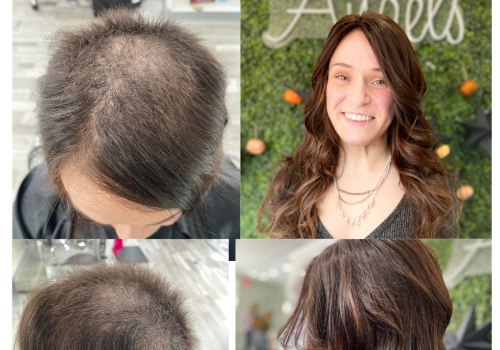
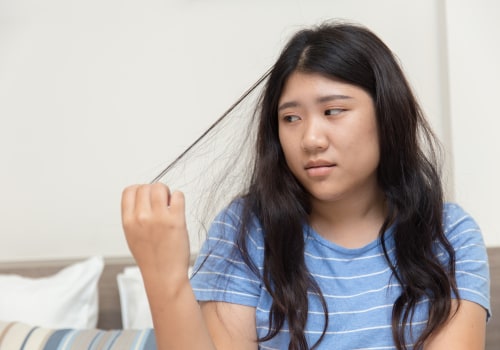
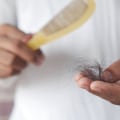
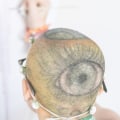
Trichotillomania, often referred to as hair-pulling disorder, is a complex psychological condition that compels individuals to pull out their own hair, leading to noticeable hair loss. This behavior can affect various areas of the body, including the scalp, eyebrows, eyelashes, and even body hair. The urge to pull hair is typically accompanied by a sense of tension or anxiety, which is often relieved temporarily by the act of pulling. This cycle can create a profound emotional toll on those affected, as they may feel shame or embarrassment about their behavior.The symptoms of trichotillomania extend beyond the physical act of hair pulling.
Many individuals experience significant distress and impairment in social, occupational, or other important areas of functioning. Common symptoms include repeated attempts to decrease or stop hair pulling without success, feelings of tension before pulling or when attempting to resist the urge, and a sense of relief or gratification after pulling out hair. These symptoms can lead to a vicious cycle where the individual feels compelled to pull hair as a coping mechanism for underlying emotional issues.Understanding trichotillomania is crucial for recognizing its impact on daily life. The disorder often begins in adolescence but can persist into adulthood if left untreated.
Individuals may find themselves avoiding social situations due to embarrassment about their appearance or may struggle with low self-esteem and anxiety. The psychological ramifications can be severe, leading to isolation and further exacerbating the condition. As we explore treatment options for trichotillomania, it is essential to acknowledge the profound effects this disorder can have on an individual's quality of life and the importance of seeking effective interventions.Individuals may find themselves avoiding social situations due to embarrassment about their appearance or may struggle with low self-esteem and anxiety. The psychological ramifications can be severe, leading to isolation and further exacerbating the condition. As we explore treatment options for trichotillomania, it is essential to acknowledge the profound effects this disorder can have on an individual's quality of life and the importance of seeking effective interventions.
What is Trichotillomania?
Trichotillomania, often referred to as hair-pulling disorder, is a complex psychological condition that falls under the category of impulse control disorders. Individuals diagnosed with trichotillomania experience an overwhelming urge to pull out their own hair, which can occur from various areas of the body, including the scalp, eyebrows, and eyelashes.This compulsive behavior can lead to noticeable hair loss and significant distress.The exact causes of trichotillomania remain unclear, but research suggests that a combination of genetic, environmental, and psychological factors may contribute to its development. Some studies indicate that individuals with a family history of similar disorders may be more susceptible. Additionally, stressful life events or trauma can trigger or exacerbate symptoms. Neurobiological factors, such as imbalances in neurotransmitters like serotonin and dopamine, are also believed to play a role in the disorder.The effects of trichotillomania extend beyond physical appearance; they can significantly impact an individual’s emotional and psychological well-being.
Many people with this condition report feelings of shame, embarrassment, and isolation due to their hair-pulling behavior. The constant struggle to resist the urge can lead to heightened anxiety and depression. Furthermore, individuals may develop coping mechanisms that involve hiding their hair loss or avoiding social situations altogether.In addition to emotional distress, trichotillomania can result in physical complications such as skin infections or scarring in areas where hair has been pulled out. The psychological toll of the disorder often leads individuals to seek treatment not only for the physical symptoms but also for the underlying emotional challenges.Understanding trichotillomania is crucial for those affected and their loved ones.
By recognizing it as a legitimate mental health condition rather than a mere habit or choice, we can foster empathy and support for those struggling with this disorder.
The Role of Antipsychotics in Treating Trichotillomania
Antipsychotic medications have emerged as a potential treatment option for individuals suffering from trichotillomania, a condition characterized by the compulsive urge to pull out one’s hair. Understanding how these medications work and the benefits they offer can provide valuable insights for those seeking effective management strategies.Mechanism of Action
Antipsychotics primarily function by modulating neurotransmitter activity in the brain, particularly focusing on dopamine and serotonin pathways. In individuals with trichotillomania, imbalances in these neurotransmitters can lead to heightened impulsivity and anxiety, which may exacerbate hair-pulling behaviors. By stabilizing these chemical levels, antipsychotics can help reduce the intensity of urges associated with trichotillomania.For instance, dopamine is often linked to reward-seeking behavior; thus, when its levels are dysregulated, it can lead to compulsive actions like hair pulling.
Antipsychotics can help restore balance, thereby diminishing the compulsive nature of this behavior. Additionally, some antipsychotics possess sedative properties that can alleviate anxiety and promote a sense of calm, further aiding in the management of trichotillomania symptoms.
Benefits of Antipsychotics
- Reduction in Hair-Pulling Urges: Many patients report a significant decrease in the frequency and intensity of hair-pulling urges after starting antipsychotic treatment.
- Improved Impulse Control: By addressing underlying neurotransmitter imbalances, antipsychotics can enhance overall impulse control, making it easier for individuals to resist the urge to pull hair.
- Enhanced Quality of Life: With reduced symptoms, individuals often experience improvements in their daily functioning and overall well-being, leading to better social interactions and self-esteem.
- Complementary Treatment: Antipsychotics can be effectively combined with other therapeutic approaches, such as cognitive-behavioral therapy (CBT), to create a comprehensive treatment plan tailored to individual needs.
How Antipsychotics Work
Antipsychotics are a class of medications primarily used to treat severe mental health disorders, but their application extends to conditions like trichotillomania, where they can help manage symptoms effectively. Understanding how these medications work at a biological level is crucial for grasping their role in treatment.At the core of antipsychotic action is their influence on neurotransmitters, which are chemical messengers that facilitate communication between neurons in the brain.The two primary neurotransmitters involved in the mechanism of action of antipsychotics are dopamine and serotonin .
Dopamine's Role
Dopamine is often referred to as the "feel-good" neurotransmitter, playing a significant role in reward, motivation, and the regulation of mood. In individuals with trichotillomania, there is evidence suggesting an imbalance in dopamine levels, which may contribute to the compulsive urge to pull hair. Antipsychotics work by blocking dopamine receptors, particularly the D2 receptor subtype. This blockade can help reduce the intensity of urges associated with hair pulling by normalizing dopamine activity in the brain.Serotonin's Influence
Serotonin, another critical neurotransmitter, is involved in mood regulation and impulse control.Low levels of serotonin have been linked to various anxiety disorders and impulsive behaviors, including those seen in trichotillomania. Many antipsychotics also have serotonergic properties; they can enhance serotonin transmission by acting on serotonin receptors (such as 5-HT2A). This action not only helps alleviate anxiety but also contributes to improved impulse control, making it easier for individuals to resist the urge to engage in hair-pulling behaviors.In summary, antipsychotics exert their effects on trichotillomania through a dual mechanism: by modulating dopamine and serotonin levels in the brain. This modulation helps reduce compulsive behaviors and improve overall emotional regulation.
However, it is essential for individuals considering this treatment option to consult with healthcare professionals to tailor a plan that best suits their needs.
Potential Side Effects of Antipsychotics
When considering antipsychotic medications for the treatment of trichotillomania, it is crucial to be aware of the potential side effects that may arise. While these medications can provide significant relief from symptoms, they are not without risks. Understanding these side effects can help individuals make informed decisions about their treatment options.When considering antipsychotic medications for the treatment of trichotillomania, it is crucial to be aware of the potential side effects that may arise. While these medications can provide significant relief from symptoms, they are not without risks. Understanding these side effects can help individuals make informed decisions about their treatment options.Common Side Effects
Antipsychotics can lead to a variety of side effects, some of which may be more pronounced than others. Common side effects include:- Weight Gain: Many individuals experience an increase in weight while on antipsychotic medications.
This can be attributed to changes in metabolism and increased appetite.
- Drowsiness: A sedative effect is often noted, which can lead to excessive sleepiness during the day. This may impact daily activities and overall quality of life.
- Movement Disorders: Some individuals may develop symptoms such as tremors, stiffness, or restlessness, known as extrapyramidal symptoms (EPS). These can be distressing and may require additional treatment.
- Changes in Blood Sugar Levels: Antipsychotics can affect glucose metabolism, potentially leading to insulin resistance and an increased risk of diabetes.
- Dry Mouth: This common side effect can lead to discomfort and difficulties in swallowing or speaking.
Managing Side Effects
Effectively managing the side effects of antipsychotics is essential for maintaining adherence to treatment. Here are some strategies that may help:- Regular Monitoring: Frequent check-ups with a healthcare provider can help track any emerging side effects and allow for timely adjustments to the treatment plan.
- Lifestyle Modifications: Engaging in regular physical activity and maintaining a balanced diet can help mitigate weight gain and improve overall health.
- Hydration and Oral Care: Staying hydrated and practicing good oral hygiene can alleviate dry mouth symptoms.
- Medication Adjustments: If side effects become unmanageable, discussing dosage adjustments or switching to a different antipsychotic with your doctor may be necessary.
Open communication with healthcare providers is key to finding a balance that works for each individual.
Comparing Antipsychotics to Other Treatment Options
When considering treatment options for trichotillomania, it is essential to evaluate the effectiveness of antipsychotics in comparison to other modalities such as therapy and behavioral interventions. Each approach has its unique advantages and limitations, which can significantly influence the management of this complex disorder.Antipsychotics: A Pharmacological Approach
Antipsychotics are primarily used to manage severe mental health conditions, but they have shown promise in treating trichotillomania. These medications work by modulating neurotransmitter levels, particularly dopamine and serotonin, which can help reduce the compulsive urge to pull hair. One of the key benefits of antipsychotics is their ability to provide relatively quick relief from symptoms, often within weeks of starting treatment.Therapy: A Psychological Perspective
On the other hand, therapeutic approaches such as cognitive-behavioral therapy (CBT) focus on addressing the underlying psychological factors contributing to trichotillomania.CBT aims to help individuals identify triggers and develop coping strategies to manage their urges. While therapy can take longer to yield results compared to medication, it offers a sustainable way to address the root causes of the disorder.
Behavioral Interventions: Practical Strategies
Behavioral interventions, including habit reversal training, are also effective in managing trichotillomania. These techniques involve teaching individuals to recognize their hair-pulling behaviors and replace them with healthier alternatives. While these methods can be beneficial, they often require consistent practice and commitment from the individual.Comparative Effectiveness
When comparing antipsychotics with therapy and behavioral interventions, it is crucial to consider individual needs and circumstances.For some individuals, antipsychotics may provide immediate symptom relief, making them an attractive option for those struggling with severe urges. However, for others, a combination of therapy and behavioral strategies may lead to more lasting change.Ultimately, the best approach may involve a combination of these treatments. Integrating antipsychotic medication with therapy can address both the symptoms and underlying issues associated with trichotillomania. It is essential for individuals to work closely with healthcare professionals to tailor a treatment plan that meets their specific needs and preferences.
Alternative Treatments for Trichotillomania
While antipsychotics can be an effective treatment for trichotillomania, many individuals seek alternative therapies and self-help techniques to manage their symptoms.These options can complement medication or serve as standalone treatments, depending on the severity of the disorder and individual preferences.
Therapy Options
Various therapeutic approaches have shown promise in treating trichotillomania. Here are some of the most common:- Cognitive Behavioral Therapy (CBT): This is one of the most widely recommended therapies for trichotillomania. CBT focuses on identifying and changing negative thought patterns and behaviors associated with hair pulling. Through structured sessions, individuals learn coping strategies to manage urges and develop healthier habits.
- Habit Reversal Training (HRT): A component of CBT, HRT involves becoming more aware of hair-pulling triggers and replacing the behavior with a competing response.
For example, if someone feels the urge to pull hair, they might engage in a different activity, such as squeezing a stress ball.
- Acceptance and Commitment Therapy (ACT): ACT encourages individuals to accept their thoughts and feelings rather than fighting against them. This therapy helps clients commit to taking action aligned with their values, even in the presence of urges to pull hair.
Self-Help Techniques
In addition to professional therapy, there are several self-help strategies that individuals can implement to manage trichotillomania:- Awareness Journals: Keeping a journal can help track hair-pulling episodes, identifying patterns related to triggers such as stress or boredom. This awareness can empower individuals to address underlying issues.
- Mindfulness and Relaxation Techniques: Practices such as meditation, yoga, or deep-breathing exercises can reduce anxiety and improve emotional regulation. These techniques may help decrease the urge to pull hair by promoting a sense of calm.
- Support Groups: Connecting with others who experience similar challenges can provide emotional support and practical advice.
Support groups offer a safe space for sharing experiences and coping strategies.
Addressing Controversies Surrounding Antipsychotic Use
The use of antipsychotic medications in treating trichotillomania has sparked considerable debate among healthcare professionals, patients, and advocates. While some experts advocate for their efficacy, others raise concerns about their necessity and potential side effects. Understanding these controversies is crucial for anyone considering this treatment option.One of the primary arguments against the use of antipsychotics for trichotillomania is that this condition is not classified as a psychotic disorder.Critics argue that prescribing antipsychotics may be inappropriate since these medications are typically reserved for more severe mental health issues, such as schizophrenia or bipolar disorder. This perspective emphasizes the need for treatments that are specifically tailored to the unique characteristics of trichotillomania.However, proponents of antipsychotic use point out that trichotillomania shares similarities with other disorders treated by these medications, such as obsessive-compulsive disorder (OCD) and Tourette's syndrome. These conditions also involve compulsive behaviors and impulsivity, suggesting that antipsychotics may help regulate the underlying neurochemical imbalances associated with trichotillomania.Furthermore, expert opinions vary widely on the effectiveness of antipsychotics in managing symptoms of trichotillomania. Some studies have shown promising results, indicating that these medications can significantly reduce hair-pulling urges and improve overall quality of life.
In contrast, other research highlights the potential for adverse effects, including weight gain and sedation, which can complicate treatment adherence.Another point of contention is the long-term implications of using antipsychotics. Critics argue that the risks associated with prolonged use may outweigh the benefits, particularly when alternative treatments—such as cognitive-behavioral therapy (CBT) or habit reversal training—are available. These therapies focus on addressing the behavioral aspects of trichotillomania without the need for medication.Ultimately, the decision to use antipsychotics for treating trichotillomania should be made collaboratively between patients and their healthcare providers. It is essential to weigh the potential benefits against the risks and consider individual circumstances.
Open discussions about treatment options can help ensure that patients receive care that aligns with their needs and preferences.
Consulting with Healthcare Professionals
When dealing with trichotillomania, seeking guidance from healthcare professionals is crucial for effective treatment planning. This condition, characterized by the compulsive urge to pull out one’s hair, can significantly impact an individual’s emotional and psychological well-being. Therefore, consulting with a qualified healthcare provider can help in understanding the disorder better and exploring suitable treatment options.One of the first steps in managing trichotillomania is to consult a primary care physician or a mental health professional who specializes in behavioral disorders. These professionals can provide a comprehensive assessment of the condition and recommend appropriate treatment strategies.Here are some key points to consider when consulting with healthcare professionals:
- Be Open and Honest: When discussing your symptoms, it’s essential to be candid about your experiences. This includes detailing how long you have been pulling your hair, any triggers you have identified, and how it affects your daily life.
- Ask Questions: Don’t hesitate to ask your doctor about different treatment options available for trichotillomania. Inquire about the potential benefits and side effects of medications, including antipsychotics, as well as therapy options like cognitive-behavioral therapy (CBT).
- Seek Referrals: If your primary care physician is not specialized in treating trichotillomania, ask for referrals to psychologists or psychiatrists who have experience with this disorder. Finding a specialist can provide you with tailored treatment plans that address your specific needs.
- Follow-Up Appointments: Regular follow-ups are essential to monitor progress and make necessary adjustments to the treatment plan.
This ongoing communication helps ensure that the chosen methods are effective and that any side effects are managed promptly.
- Support Systems: Encourage family members or close friends to join you in consultations when appropriate. Their support can provide additional insights into your behavior and help healthcare providers understand the full impact of trichotillomania on your life.
<strong>Conclusion</strong>
In summary, understanding the role of antipsychotics in the treatment of trichotillomania is crucial for those affected by this challenging disorder. While the primary focus of treatment often lies in behavioral therapies and self-help strategies, antipsychotic medications can offer significant benefits for individuals who struggle with severe symptoms or have not found relief through other means.Antipsychotics work by modulating neurotransmitter levels in the brain, particularly dopamine and serotonin, which are linked to impulse control and emotional regulation.This mechanism can help reduce the compulsive urge to pull hair, thereby improving the quality of life for many individuals. However, it is essential to approach this treatment option with caution and under the guidance of a healthcare professional.As with any medication, the potential side effects of antipsychotics must be carefully considered. Weight gain, drowsiness, and metabolic changes are among the most common concerns. Therefore, ongoing communication with a doctor is vital to monitor these effects and adjust treatment as necessary.
A tailored approach that includes regular check-ups can help mitigate risks while maximizing therapeutic benefits.Moreover, it is important to recognize that antipsychotics should not be viewed as a standalone solution for trichotillomania. Instead, they are most effective when integrated into a comprehensive treatment plan that includes therapy, support groups, and lifestyle modifications. This holistic approach can address not only the symptoms of hair-pulling but also the underlying emotional and psychological factors contributing to the disorder.Ultimately, each individual's experience with trichotillomania is unique, and what works for one person may not work for another. Therefore, it is crucial to remain open to various treatment options and collaborate closely with healthcare providers to find the most effective strategy.
By doing so, individuals can take meaningful steps toward managing their condition and improving their overall well-being.