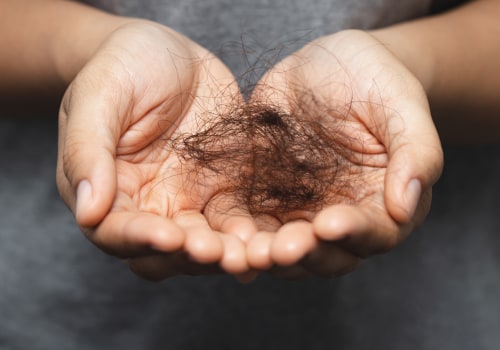
Trichotillomania, often referred to as a hair pulling disorder, is a complex psychological condition characterized by an irresistible urge to pull out one’s own hair. This behavior can affect any area of the body where hair grows, including the scalp, eyebrows, and eyelashes. For many individuals, this compulsive action is not merely a habit but a coping mechanism to deal with stress, anxiety, or emotional distress. Understanding trichotillomania is essential for recognizing its profound impact on those who experience it and for exploring effective coping strategies.The symptoms of trichotillomania can vary widely among individuals. , is a complex psychological condition characterized by an irresistible urge to pull out one’s own hair. This behavior can affect any area of the body where hair grows, including the scalp, eyebrows, and eyelashes. For many individuals, this compulsive action is not merely a habit but a coping mechanism to deal with stress, anxiety, or emotional distress. Understanding trichotillomania is essential for recognizing its profound impact on those who experience it and for exploring effective coping strategies.The symptoms of trichotillomania can vary widely among individuals.
While the most apparent symptom is the act of hair pulling itself, many people also engage in related behaviors such as examining or playing with the pulled hair. This can lead to noticeable hair loss and bald patches, which may further exacerbate feelings of shame and low self-esteem. In addition to physical symptoms, individuals may experience emotional turmoil, including feelings of guilt or embarrassment about their behavior. These emotional challenges can create a vicious cycle, where the act of pulling hair provides temporary relief but ultimately leads to increased anxiety and distress.Trichotillomania is classified as a mental health disorder and is often associated with other conditions such as anxiety disorders, depression, or obsessive-compulsive disorder (OCD).
The exact cause of trichotillomania remains unclear; however, it is believed to involve a combination of genetic, environmental, and psychological factors. Understanding these underlying elements is crucial for developing effective treatment plans and coping strategies that can help individuals regain control over their lives.
The Role of Meditation in Managing Trichotillomania
Meditation has emerged as a transformative practice for individuals grappling with trichotillomania, offering a pathway to greater self-awareness and emotional regulation. By fostering a state of mindfulness, meditation can significantly reduce the compulsive urges associated with hair pulling, allowing individuals to reclaim control over their actions.There are various forms of meditation that can be particularly beneficial for those dealing with trichotillomania:- Mindfulness Meditation: This practice encourages individuals to focus on the present moment, observing thoughts and feelings without judgment. By becoming aware of the triggers that lead to hair pulling, individuals can learn to respond to these urges with greater awareness and less impulsivity.
- Guided Visualization: In this form of meditation, practitioners visualize calming scenes or positive outcomes.
This technique can help create a mental space where the urge to pull hair diminishes, replacing it with feelings of peace and relaxation.
- Breath Awareness: Focusing on the breath is a fundamental aspect of many meditation practices. By concentrating on inhaling and exhaling, individuals can ground themselves in the moment, which can be particularly helpful during times of stress or anxiety that may trigger hair pulling.
- Reduction in Anxiety: Regular meditation practice has been shown to lower anxiety levels, which are often linked to hair pulling behaviors. By calming the mind, individuals may find it easier to resist the urge to pull.
- Enhanced Emotional Regulation: Meditation fosters a deeper understanding of one’s emotions. This awareness allows individuals to recognize when they are feeling overwhelmed or anxious, enabling them to employ coping strategies before resorting to hair pulling.
- Improved Focus and Concentration: Engaging in meditation can enhance cognitive function, making it easier for individuals to redirect their thoughts away from hair pulling and towards more constructive activities.
- Start Small: Begin with just a few minutes each day.
Gradually increase the duration as you become more comfortable with the practice.
- Create a Dedicated Space: Designate a quiet area in your home for meditation. This space should be free from distractions and conducive to relaxation.
- Use Technology Wisely: There are numerous apps and online resources available that offer guided meditations specifically designed for managing anxiety and compulsive behaviors.
- Be Consistent: Establish a regular meditation schedule. Consistency is key in reaping the long-term benefits of this practice.
With patience and persistence, meditation can lead to significant improvements in both mental well-being and quality of life.
Visualization Techniques: A Path to Healing
Visualization techniques can serve as a powerful ally for individuals coping with trichotillomania. By harnessing the mind's ability to create vivid mental images, these techniques can help reduce the overwhelming urges to pull hair and foster a sense of calm and control. Below, we explore various visualization methods that can be particularly effective for those dealing with this condition.Guided Imagery: A Structured Approach
One of the most effective forms of visualization is guided imagery. This technique involves listening to a recorded session or following a script that leads you through a series of calming images and scenarios.Guided imagery can help you:
- Relax deeply: By focusing on soothing images, such as a serene beach or a tranquil forest, you can shift your attention away from the urge to pull.
- Visualize success: Imagine yourself in control, resisting the urge to pull hair, and feeling empowered. This positive reinforcement can strengthen your resolve.
- Connect with your body: Guided imagery often encourages awareness of physical sensations, helping you recognize tension and release it consciously.
Mental Imagery for Coping
Mental imagery is another effective visualization technique that allows you to create detailed mental pictures that evoke feelings of safety and comfort. Here are some strategies to incorporate mental imagery into your routine:- Create a safe space: Visualize a personal sanctuary where you feel completely at ease. This could be a real place you've visited or an entirely imaginary setting.
Spend time in this space during moments of stress.
- Use color and light: Imagine colors that represent calmness and peace, such as soft blues or gentle greens. Picture these colors enveloping you, providing comfort and tranquility.
- Engage all senses: When visualizing, try to incorporate sounds, smells, and textures. For example, imagine the sound of waves crashing on the shore or the scent of fresh flowers in your safe space.
Visualization Techniques for Urge Management
In addition to creating calming images, visualization can also be used specifically to manage urges associated with trichotillomania. Here are some targeted techniques:- Visualize the urge as an object: Picture the urge to pull as a tangible object—perhaps a balloon or a wave.
Imagine it growing larger and then slowly deflating or receding as you breathe deeply.
- Create an "urge toolbox": Visualize a toolbox filled with coping strategies and tools that help you resist pulling. Each time you feel the urge, mentally reach for one of these tools—like deep breathing or counting to ten.
- Practice daily visualization: Set aside time each day to practice these visualization techniques. Consistency will help reinforce their effectiveness when faced with real-life urges.
Mindfulness: The Connection to Trichotillomania Management
Mindfulness is a powerful practice that can significantly aid in the management of trichotillomania, a condition characterized by the compulsive urge to pull out one’s hair.At its core, mindfulness involves being fully present in the moment, observing thoughts and feelings without judgment. This practice can help individuals with trichotillomania become more aware of their urges and triggers, allowing them to respond to these feelings in a healthier way.One of the primary benefits of mindfulness is its ability to foster a greater understanding of one’s internal experiences. By practicing mindfulness, individuals can learn to recognize the sensations and emotions that accompany their hair-pulling urges. This awareness can create a space between the urge and the action, enabling individuals to choose how to respond rather than reacting impulsively.
Mindfulness Techniques for Trichotillomania
There are several mindfulness techniques that can be particularly effective for those dealing with trichotillomania:- Deep Breathing: Focusing on your breath can help ground you in the present moment.
Take slow, deep breaths, inhaling through your nose and exhaling through your mouth. This practice can calm your mind and reduce anxiety.
- Body Scans: A body scan involves mentally scanning your body from head to toe, paying attention to any areas of tension or discomfort. This technique encourages relaxation and helps you connect with your physical sensations.
- Mindful Observation: Choose an object in your environment and observe it closely. Notice its colors, shapes, and textures.
This practice can help shift your focus away from urges and onto something external.
- Journaling: Writing about your thoughts and feelings can enhance mindfulness by allowing you to reflect on your experiences. Journaling can help identify patterns related to your hair-pulling behavior and provide insights into triggers.
By acknowledging the urge without judgment, individuals can learn that it is possible to coexist with these feelings without acting on them. This shift in perspective can lead to a significant reduction in hair-pulling behaviors over time.In conclusion, integrating mindfulness into your coping strategies for trichotillomania offers numerous benefits. By fostering awareness and acceptance of urges, individuals can develop healthier responses and improve their overall quality of life.
Practical Tips for Incorporating Meditation and Visualization into Your Routine
Incorporating meditation and visualization into your daily routine can be a transformative experience, especially for those dealing with trichotillomania. Here are some practical tips to help you get started and make these practices a regular part of your life.Start Small and Build Gradually
If you're new to meditation or visualization, it's essential to start small.Begin with just a few minutes each day. You might set a timer for 5 minutes and gradually increase the duration as you become more comfortable. This approach helps prevent feelings of overwhelm and allows you to build a sustainable practice.
Create a Dedicated Space
Designate a specific area in your home for meditation and visualization. This space should be quiet, free from distractions, and comfortable.You might want to add elements that promote relaxation, such as cushions, candles, or calming artwork. Having a dedicated space can signal to your mind that it’s time to focus and unwind.
Establish a Consistent Schedule
Consistency is key when it comes to meditation and visualization. Try to practice at the same time every day, whether it’s in the morning to set a positive tone for the day or in the evening to wind down. Establishing a routine can help reinforce the habit and make it easier to stick with over time.Utilize Guided Meditations
If you're unsure where to start, consider using guided meditations or visualization exercises.There are numerous apps and online resources available that offer structured sessions specifically designed for managing trichotillomania. These guided practices can provide direction and help you stay focused during your sessions.
Practice Mindful Breathing
Incorporate mindful breathing into your routine as a foundational practice. Focus on your breath by inhaling deeply through your nose, holding for a moment, and exhaling slowly through your mouth. This simple technique can help ground you and create a sense of calm before diving into more extensive meditation or visualization exercises.Visualize Positive Outcomes
When practicing visualization, focus on creating positive mental images that resonate with you.For example, imagine yourself in a serene environment where you feel safe and relaxed. Visualize yourself successfully managing your urges related to trichotillomania. The more vivid and detailed your imagery, the more effective this exercise can be.
Be Patient with Yourself
Remember that developing a meditation and visualization practice takes time. Be patient with yourself as you learn these techniques.It’s normal to have days when your mind wanders or when you find it challenging to focus. Acknowledge these moments without judgment and gently bring your attention back to your practice.By integrating these practical tips into your daily routine, you can harness the power of meditation and visualization as effective coping strategies for trichotillomania. With dedication and consistency, these practices can lead to greater self-awareness, reduced urges, and an overall sense of well-being.
Additional Coping Strategies to Support Meditation and Visualization
While meditation and visualization are powerful tools for managing trichotillomania, incorporating additional coping strategies can further enhance their effectiveness. These complementary techniques can provide a holistic approach to managing urges and improving overall well-being.Journaling: A Reflective Practice
Journaling serves as an excellent outlet for individuals dealing with trichotillomania.By writing down thoughts, feelings, and experiences, you can gain valuable insights into your triggers and patterns. This reflective practice allows you to:
- Identify Triggers: Documenting moments when the urge to pull arises can help you pinpoint specific situations or emotions that lead to hair pulling.
- Process Emotions: Writing about your feelings can provide a safe space to express emotions that may be difficult to articulate verbally.
- Track Progress: Keeping a journal allows you to monitor your journey over time, celebrating small victories and recognizing areas for improvement.
Exercise: Moving Your Body
Physical activity is another effective strategy for managingPhysical activity is another effective strategy for managing trichotillomania.Engaging in regular exercise not only boosts mood but also serves as a healthy distraction from hair pulling urges. Here are some benefits of incorporating exercise into your routine:
- Reduces Stress: Exercise releases endorphins, which are natural mood lifters that can help alleviate anxiety and stress—common triggers for hair pulling.
- Enhances Mindfulness: Activities like yoga or tai chi promote mindfulness through movement, allowing you to connect with your body and breath while reducing the urge to pull.
- Improves Self-Esteem: Regular physical activity can enhance body image and self-esteem, which may be particularly beneficial for those struggling with the self-consciousness often associated with trichotillomania.
Support Groups: Connecting with Others
Joining a support group can be an invaluable resource for individuals coping with trichotillomania. These groups provide a safe environment where you can share experiences, challenges, and successes with others who understand what you’re going through.Benefits of participating in support groups include:
- Sense of Community: Connecting with others who face similar struggles can reduce feelings of isolation and loneliness.
- Shared Strategies: Members often share coping strategies that have worked for them, providing new ideas and perspectives on managing urges.
- Emotional Support: Having a network of individuals who empathize with your journey can offer encouragement during difficult times.
Real-Life Success Stories: Overcoming Trichotillomania with Mindfulness Techniques
Many individuals struggling with trichotillomania have found solace and success through the practices of meditation and visualization. Their stories serve as powerful reminders that recovery is possible and that these techniques can lead to significant improvements in managing this challenging condition.Emily's Journey: Finding Calm Through Meditation
Emily, a 28-year-old graphic designer, had battled trichotillomania since her teenage years.The stress of her job often triggered her hair-pulling urges, leading to feelings of shame and frustration. After attending a workshop on mindfulness, she decided to incorporate meditation into her daily routine."At first, it was difficult to sit still and quiet my mind," Emily recalls. "But I started with just five minutes a day, focusing on my breath. Gradually, I learned to observe my thoughts without judgment." Over time, Emily noticed a significant reduction in her urges to pull her hair.
She began visualizing herself in a serene environment during her meditation sessions, which helped reinforce her commitment to overcoming her habit.
Mark's Transformation: Visualization as a Tool for Change
Mark, a 35-year-old teacher, discovered visualization techniques while searching for ways to cope with his trichotillomania. He often felt overwhelmed by anxiety, which exacerbated his hair-pulling behavior. After reading about the benefits of visualization, he decided to give it a try."I created a mental image of a safe space—a beach where I felt completely at ease," Mark explains. "Whenever I felt the urge to pull, I would close my eyes and visualize myself there.It became my refuge." This practice not only helped him manage his urges but also provided him with a sense of control over his anxiety. Mark's story illustrates how visualization can be an effective strategy for those dealing with trichotillomania.
A Community of Support: Sharing Experiences
The power of community cannot be underestimated in the journey toward managing trichotillomania. Many individuals have found strength in sharing their experiences with others who understand their struggles. Online forums and support groups often feature testimonials from people who have successfully integrated meditation and visualization into their lives.- Jessica: "Meditation helped me become aware of my triggers.
Now, when I feel the urge to pull, I take a moment to breathe and refocus my mind."
- David: "Visualization has been a game-changer for me. Imagining myself free from the habit has motivated me to keep pushing forward."
- Sara: "I never thought I could overcome trichotillomania, but with meditation and support from others, I've made incredible progress."
Conclusion: Embracing a Holistic Approach to Managing Trichotillomania
In conclusion, managing trichotillomania requires a multifaceted approach that addresses both the psychological and emotional aspects of the condition. Throughout this article, we have explored the profound impact that meditation and visualization can have on individuals struggling with this disorder.By incorporating these practices into daily routines, individuals can cultivate a greater sense of awareness and control over their urges.One of the key takeaways is the importance of mindfulness in understanding and managing trichotillomania. Mindfulness allows individuals to observe their thoughts and feelings without judgment, creating a space where they can acknowledge their urges without succumbing to them. This practice not only helps in reducing hair-pulling behaviors but also fosters a deeper connection with oneself, promoting emotional resilience.Moreover, visualization techniques serve as powerful tools for creating mental imagery that can replace the urge to pull hair. By envisioning calming scenarios or positive outcomes, individuals can redirect their focus and energy towards more constructive thoughts and actions.
This shift in perspective is crucial for breaking the cycle of compulsive behavior associated with trichotillomania.It is essential to remember that while meditation and visualization are effective strategies, they are most beneficial when integrated into a holistic approach that may include therapy, support groups, and other coping mechanisms. Engaging with mental health professionals can provide additional support and guidance tailored to individual needs.Ultimately, embracing a holistic approach means recognizing that managing trichotillomania is a journey. It requires patience, commitment, and self-compassion. By combining meditation and visualization with other strategies, individuals can empower themselves to navigate their challenges more effectively.
As you embark on this path, remember that every small step counts towards achieving a more balanced and fulfilling life.