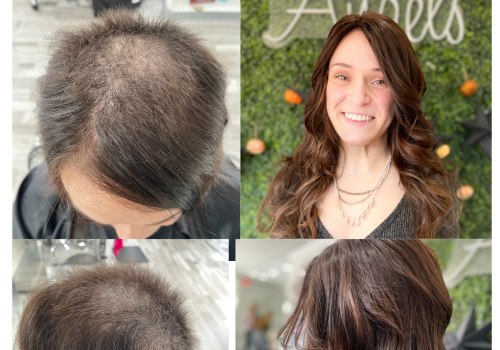
Trichotillomania, often referred to as a hair-pulling disorder, is a complex mental health condition that affects individuals across various age groups. Characterized by the compulsive urge to pull out one’s own hair, this disorder can lead to significant emotional distress and physical damage. Those who suffer from trichotillomania may find themselves pulling hair from their scalp, eyebrows, eyelashes, or other areas of the body, often resulting in noticeable bald patches and a cycle of shame and frustration. The impact of this disorder extends beyond the physical; it can severely affect self-esteem, social interactions, and overall quality of life.Understanding trichotillomania is crucial for developing effective treatment strategies.
While traditional therapies such as cognitive-behavioral therapy (CBT) have been employed to help manage symptoms, there is a growing interest in pharmacological options that may offer additional support. One such option is N-acetylcysteine (NAC), a supplement that has garnered attention for its potential benefits in treating various mental health disorders, including trichotillomania. NAC is known for its role as an antioxidant and its ability to increase levels of glutathione in the brain, which may help regulate mood and reduce impulsive behaviors.The exploration of NAC as a treatment for trichotillomania is particularly significant given the limited effectiveness of existing medications and the side effects they often entail. As researchers continue to investigate the efficacy of NAC, early studies suggest that it may provide a viable alternative or complement to traditional therapies. While traditional therapies such as cognitive-behavioral therapy (CBT) have been employed to help manage symptoms, there is a growing interest in pharmacological options that may offer additional support. One such option is N-acetylcysteine (NAC), a supplement that has garnered attention for its potential benefits in treating various mental health disorders, including trichotillomania. NAC is known for its role as an antioxidant and its ability to increase levels of glutathione in the brain, which may help regulate mood and reduce impulsive behaviors.The exploration of NAC as a treatment for trichotillomania is particularly significant given the limited effectiveness of existing medications and the side effects they often entail. As researchers continue to investigate the efficacy of NAC, early studies suggest that it may provide a viable alternative or complement to traditional therapies.
By delving into the mechanisms through which NAC operates and its potential benefits for those struggling with trichotillomania, we can better understand how this supplement might offer hope and relief for individuals seeking to regain control over their lives.
What is Trichotillomania?
Trichotillomania, often referred to as hair-pulling disorder, is a mental health condition classified under obsessive-compulsive and related disorders. Individuals with trichotillomania experience an overwhelming urge to pull out their own hair, which can lead to noticeable hair loss and significant distress. This behavior is not merely a habit; it is a compulsive action that can be difficult to control, often resulting in feelings of shame and embarrassment.Symptoms of Trichotillomania
- Hair Pulling: The most prominent symptom is the recurrent pulling out of hair from various parts of the body, including the scalp, eyebrows, and eyelashes.
- Hair Loss: This behavior can lead to bald patches or thinning hair, which may be noticeable to others.
- Preoccupation: Individuals may spend significant time thinking about pulling hair or engaging in the act itself.
- Attempts to Stop: Many individuals with trichotillomania have made unsuccessful attempts to reduce or stop their hair-pulling behavior.
- Emotional Distress: The disorder often leads to feelings of guilt, shame, or frustration due to the inability to control the urge.
Causes of Trichotillomania
The exact cause of trichotillomania remains unclear, but several factors may contribute to its development:
- Genetic Factors: There is evidence suggesting that trichotillomania may run in families, indicating a potential genetic predisposition.
- Environmental Triggers: Stressful life events, trauma, or significant changes in one’s environment can trigger or exacerbate symptoms.
- Psychological Factors: Individuals with anxiety disorders or other mental health conditions may be more susceptible to developing trichotillomania.
- Cognitive Behavioral Patterns: Certain thought patterns and behaviors associated with anxiety and stress management may contribute to the onset of hair-pulling behaviors.
The Role of N-acetylcysteine in Mental Health
N-acetylcysteine (NAC) is a versatile compound that has garnered attention for its potential benefits in mental health treatment.Originally developed as a mucolytic agent to help with respiratory conditions, NAC has evolved into a promising therapeutic option for various psychological disorders, including trichotillomania. Understanding how NAC functions in the brain is crucial for appreciating its role in alleviating symptoms associated with this condition.One of the primary mechanisms through which NAC exerts its effects is by increasing the levels of glutathione , a powerful antioxidant found in the body. Glutathione plays a vital role in protecting cells from oxidative stress, which can lead to cellular damage and has been implicated in numerous mental health disorders. Research indicates that individuals with conditions like trichotillomania may have lower levels of glutathione, contributing to their symptoms.By enhancing glutathione levels, NAC helps to restore balance in the brain's neurotransmitter systems.
This is particularly important for neurotransmitters such as dopamine and serotonin , which are closely linked to mood regulation and impulsive behaviors. The modulation of these neurotransmitters can lead to a reduction in the compulsive hair-pulling behavior characteristic of trichotillomania.In addition to its antioxidant properties, NAC also exhibits anti-inflammatory effects. Chronic inflammation in the brain has been associated with various mental health issues, including anxiety and depression. By reducing inflammation, NAC may help improve overall brain function and emotional well-being, further supporting its use as a treatment for trichotillomania.Moreover, NAC's ability to influence glutamate , an excitatory neurotransmitter, adds another layer to its therapeutic potential.
Elevated glutamate levels have been linked to increased anxiety and compulsive behaviors. NAC helps regulate glutamate levels, potentially mitigating these symptoms and providing relief for individuals struggling with trichotillomania.In summary, N-acetylcysteine serves as a multifaceted tool in mental health treatment by enhancing antioxidant defenses, reducing inflammation, and modulating neurotransmitter activity. These mechanisms collectively contribute to its effectiveness in managing symptoms of trichotillomania, making it a valuable option for those seeking relief from this challenging disorder.Elevated glutamate levels have been linked to increased anxiety and compulsive behaviors. NAC helps regulate glutamate levels, potentially mitigating these symptoms and providing relief for individuals struggling with trichotillomania.In summary, N-acetylcysteine serves as a multifaceted tool in mental health treatment by enhancing antioxidant defenses, reducing inflammation, and modulating neurotransmitter activity. These mechanisms collectively contribute to its effectiveness in managing symptoms of trichotillomania, making it a valuable option for those seeking relief from this challenging disorder.
How Does NAC Work for Trichotillomania?
N-acetylcysteine (NAC) operates through several mechanisms that may help alleviate the symptoms of trichotillomania, a condition characterized by the compulsive urge to pull out one’s hair. One of the primary ways NAC exerts its effects is by increasing levels of glutathione, a potent antioxidant found in the brain.Glutathione and Its Role
Glutathione plays a crucial role in maintaining cellular health and protecting against oxidative stress.
Individuals with trichotillomania often exhibit lower levels of glutathione, which can lead to imbalances in neurotransmitter systems that regulate mood and behavior. By supplementing with NAC, glutathione levels can be enhanced, potentially restoring balance to these systems.
Regulation of Neurotransmitters
NAC's ability to increase glutathione levels is significant because it helps regulate key neurotransmitters such as dopamine and serotonin. These neurotransmitters are essential for mood regulation and impulse control. In individuals with trichotillomania, dysregulation of these neurotransmitters can contribute to the compulsive behaviors associated with the disorder.By modulating the activity of these neurotransmitters, NAC may help reduce the intensity of urges to engage in hair-pulling behaviors.
This modulation can lead to improved emotional stability and a decrease in anxiety, which are often exacerbated by trichotillomania.
Anti-Inflammatory Properties
In addition to its effects on glutathione and neurotransmitter regulation, NAC possesses anti-inflammatory properties that may further contribute to its effectiveness in treating trichotillomania. Chronic inflammation in the brain has been linked to various mental health disorders, including anxiety and depression. By reducing inflammation, NAC may enhance overall brain function and further alleviate symptoms associated with trichotillomania.In summary, NAC works through multiple pathways—primarily by increasing glutathione levels, regulating neurotransmitters involved in mood and behavior, and exerting anti-inflammatory effects. These combined actions make NAC a promising option for individuals seeking relief from the challenges posed by trichotillomania.
Research Supporting NAC for Trichotillomania Treatment
Research into the effectiveness of N-acetylcysteine (NAC) for treating trichotillomania has gained momentum in recent years, providing valuable insights into its potential benefits.Several clinical trials and studies have been conducted to evaluate how NAC can alleviate the symptoms associated with this challenging disorder.One of the pivotal studies was conducted by Grant et al. in 2009, which explored the effects of NAC on individuals diagnosed with trichotillomania. In this randomized, double-blind, placebo-controlled trial, participants were administered NAC over a period of 12 weeks. The results were promising; those receiving NAC reported a significant reduction in hair-pulling behaviors compared to the placebo group.
This study not only highlighted NAC's potential but also set the stage for further research into its efficacy.Another important study published in the Journal of Clinical Psychiatry compared NAC to clomipramine, a medication traditionally used to treat trichotillomania. The findings indicated that NAC was more effective in reducing hair-pulling symptoms and had a more favorable side effect profile. This is particularly significant given that many patients experience adverse effects from conventional medications.Furthermore, a meta-analysis conducted in 2021 reviewed multiple studies on NAC and its impact on various obsessive-compulsive spectrum disorders, including trichotillomania. The analysis concluded that NAC consistently demonstrated a reduction in symptoms across different populations, reinforcing its role as a viable treatment option.In addition to these studies, anecdotal evidence from patients and healthcare providers has also contributed to the growing interest in NAC as a treatment for trichotillomania.
Many individuals have reported improvements in their ability to manage urges and reduce hair-pulling incidents after incorporating NAC into their treatment regimen.While these findings are encouraging, it is essential to approach NAC as part of a comprehensive treatment plan. Consulting with healthcare professionals is crucial for determining the appropriate dosage and ensuring that it complements other therapeutic strategies.In summary, the body of research supporting the use of NAC for treating trichotillomania is expanding. With clinical trials demonstrating its effectiveness and safety, NAC presents a promising alternative for individuals seeking relief from this compulsive disorder.
Potential Benefits of Using NAC for Trichotillomania
N-acetylcysteine (NAC) has emerged as a potential game-changer in the treatment of trichotillomania, offering several benefits that can significantly improve the quality of life for those affected by this challenging disorder. Understanding these advantages is crucial for individuals considering NAC as a treatment option.- Reduction in Hair-Pulling Symptoms: One of the most notable benefits of NAC is its ability to reduce the frequency and severity of hair-pulling episodes.
Clinical studies have demonstrated that individuals taking NAC experienced a significant decrease in their compulsive behaviors compared to those on placebo treatments. This reduction can lead to improved self-esteem and a better overall quality of life.
- Improved Mood Regulation: NAC is known to enhance levels of glutathione, a powerful antioxidant that plays a vital role in regulating mood and emotional responses. By increasing glutathione levels, NAC may help alleviate symptoms of anxiety and depression, which are often comorbid with trichotillomania. This dual action can provide a more comprehensive approach to treatment.
- Minimal Side Effects: Compared to traditional medications used for trichotillomania, such as selective serotonin reuptake inhibitors (SSRIs), NAC is associated with fewer side effects.
Many users report tolerating NAC well, with only mild gastrointestinal discomfort being the most common complaint. This makes it an appealing option for those who may be sensitive to other medications.
- Accessibility and Affordability: NAC is widely available as an over-the-counter supplement, making it easily accessible for individuals seeking alternative treatments for trichotillomania. Additionally, it tends to be more affordable than prescription medications, which can be a significant factor for many patients.
- Potential for Long-Term Benefits: Some research suggests that the benefits of NAC may extend beyond immediate symptom relief. Regular use may contribute to long-term improvements in mental health and behavioral regulation, providing ongoing support for individuals managing trichotillomania.
Consulting with a healthcare professional before starting any new supplement regimen is crucial to ensure safety and appropriateness based on individual health needs.In summary, N-acetylcysteine offers several advantages for those struggling with trichotillomania, including symptom reduction, improved mood regulation, minimal side effects, accessibility, and potential long-term benefits. These factors make it a compelling option worth considering in the broader context of treatment strategies.
Is NAC Right for You?
When considering N-acetylcysteine (NAC) as a treatment for trichotillomania, it is essential to evaluate whether this supplement is suitable for your specific situation. While NAC has shown promise in clinical studies, its effectiveness can vary from person to person. Therefore, understanding your individual health needs and circumstances is crucial before starting any new treatment regimen.Consulting a Healthcare Professional
Before beginning NAC, it is highly recommended to consult with a healthcare professional, such as a psychiatrist or a primary care physician.
They can provide personalized advice based on your medical history, current medications, and overall health status. Here are some key points to discuss during your consultation:
- Current Medications: Inform your doctor about any medications you are currently taking. NAC may interact with certain drugs, and your healthcare provider can help you assess potential risks.
- Underlying Health Conditions: If you have pre-existing health conditions, particularly liver or kidney issues, it’s vital to discuss these with your doctor. NAC is generally safe but may not be appropriate for everyone.
- Dosage and Administration: Your healthcare provider can recommend the appropriate dosage of NAC based on your specific needs and monitor its effects over time.
Who Should Consider NAC?
NAC may be particularly beneficial for individuals who have not found relief from traditional treatments for trichotillomania or those who experience significant side effects from other medications.
Additionally, if you are looking for a supplement with a favorable safety profile and minimal side effects, NAC could be worth considering.However, it’s important to remember that while NAC has shown potential in reducing hair-pulling behaviors, it is not a guaranteed solution for everyone. Some individuals may experience varying degrees of effectiveness, and others may not respond at all. Therefore, ongoing communication with your healthcare provider is essential to evaluate the treatment's impact and make necessary adjustments.
Monitoring Progress
If you and your doctor decide that NAC is an appropriate option for you, regular follow-ups will be important. Monitoring your progress can help determine whether the supplement is effectively managing your symptoms of trichotillomania or if alternative treatments should be explored.In conclusion, while NAC presents a promising avenue for treating trichotillomania, it is crucial to approach this treatment option thoughtfully and collaboratively with your healthcare provider.
By doing so, you can ensure that you are making informed decisions that align with your health goals.
Alternative Treatments for Trichotillomania
While N-acetylcysteine (NAC) has shown promise in treating trichotillomania, it is essential to recognize that there are various other treatment options available for individuals struggling with this hair-pulling disorder. Understanding these alternatives can provide a more comprehensive approach to managing symptoms and improving overall well-being.Here are some of the most common alternative treatments for trichotillomania:- Cognitive Behavioral Therapy (CBT): CBT is one of the most effective therapeutic approaches for treating trichotillomania. This form of therapy focuses on identifying and changing negative thought patterns and behaviors associated with hair pulling. Through CBT, individuals learn coping strategies to manage their urges and develop healthier habits.
- Habit Reversal Training (HRT): A specific type of CBT, HRT involves teaching individuals to recognize the triggers that lead to hair pulling and replace the behavior with a competing response.
This technique has been shown to be effective in reducing hair-pulling episodes.
- Acceptance and Commitment Therapy (ACT): ACT encourages individuals to accept their thoughts and feelings rather than fighting against them. This approach helps individuals commit to taking action aligned with their values, which can reduce the urge to pull hair.
- Support Groups: Joining a support group can provide a sense of community and understanding for those dealing with trichotillomania. Sharing experiences and coping strategies with others who face similar challenges can be incredibly beneficial.
- Medications: In addition to NAC, other medications may be prescribed to help manage symptoms of trichotillomania. Selective serotonin reuptake inhibitors (SSRIs), such as fluoxetine, have been used, although their effectiveness can vary from person to person.
Other options include clomipramine, which has shown some success in clinical studies.
- Mindfulness and Relaxation Techniques: Practices such as mindfulness meditation, yoga, and deep breathing exercises can help reduce anxiety and stress, which may trigger hair-pulling episodes. These techniques promote relaxation and self-awareness, making it easier for individuals to manage their urges.
Frequently Asked Questions about Trichotillomania and NAC
Understanding trichotillomania and its treatment options can be overwhelming, especially for those who are newly diagnosed or seeking help. Below are some frequently asked questions that can provide clarity on this condition and the role of N-acetylcysteine (NAC) in its management.What is trichotillomania?
Trichotillomania, often referred to as hair-pulling disorder, is a mental health condition characterized by an uncontrollable urge to pull out one’s hair, leading to noticeable hair loss.This behavior can occur on the scalp, eyebrows, eyelashes, or other areas of the body. It is classified as a type of obsessive-compulsive disorder (OCD) and can significantly impact an individual's emotional well-being and daily functioning.
How does NAC help with trichotillomania?
N-acetylcysteine (NAC) is believed to assist in managing trichotillomania by increasing levels of glutathione, a powerful antioxidant in the brain. This increase may help regulate mood and reduce impulsive behaviors associated with hair pulling. Research has indicated that NAC can lead to a decrease in hair-pulling symptoms for some individuals.Are there any side effects of NAC?
While NAC is generally considered safe for most people, it can cause some side effects.Commonly reported side effects include:
- Nausea
- Diarrhea
- Abdominal pain
- Headaches
- Fatigue
Can everyone with trichotillomania benefit from NAC?
No, NAC may not be effective for everyone with trichotillomania. Individual responses to treatment can vary widely. Some may find significant relief from their symptoms, while others may not experience any benefits. It’s essential to work closely with a healthcare professional to determine the best treatment plan tailored to individual needs.Is NAC available over-the-counter?
Yes, N-acetylcysteine is available as an over-the-counter supplement in many health food stores and pharmacies.However, it’s advisable to seek guidance from a healthcare provider regarding appropriate dosages and potential interactions with other medications.If you have more questions about trichotillomania or the use of NAC, consider reaching out to a mental health professional who can provide personalized advice and support.
Conclusion: The Future of Treating Trichotillomania with NAC
As we conclude our exploration of trichotillomania and the potential role of N-acetylcysteine (NAC) in its treatment, it is essential to reflect on the significant insights gained throughout this discussion. Trichotillomania, characterized by the compulsive urge to pull out one’s hair, can have profound effects on an individual’s emotional and psychological well-being. While traditional treatments have had varying degrees of success, NAC has emerged as a promising alternative that warrants further attention.NAC's ability to increase glutathione levels in the brain and its anti-inflammatory properties may play a crucial role in mitigating the symptoms associated with trichotillomania. The studies indicating its effectiveness in reducing hair-pulling behaviors provide hope for those who have struggled with this disorder, especially for individuals who have not found relief through conventional therapies.However, it is vital to recognize that NAC is not a one-size-fits-all solution.Each individual’s experience with trichotillomania is unique, and treatment must be tailored to meet their specific needs. This underscores the importance of a personalized approach to treatment, which may include a combination of therapies such as cognitive-behavioral therapy (CBT), support groups, and medication like NAC.Looking ahead, ongoing research into NAC and its effects on trichotillomania is crucial. As more studies are conducted, we can gain a deeper understanding of how NAC works and identify which individuals are most likely to benefit from its use. Additionally, exploring the long-term effects and potential side effects will be essential in establishing NAC as a standard treatment option.In summary, while NAC shows great promise as a treatment for trichotillomania, continued research and individualized care are paramount.
By fostering a comprehensive understanding of this disorder and its treatments, we can better support those affected by trichotillomania in their journey toward recovery.