Trichotillomania
, commonly referred to as hair-pulling disorder, is a complex mental health condition that compels individuals to pull out their own hair, leading to noticeable hair loss and significant emotional distress. This disorder is not merely a habit; it is classified as a body-focused repetitive behavior (BFRB) and is recognized in the Diagnostic and Statistical Manual of Mental Disorders (DSM-5). The prevalence of trichotillomania is estimated to affect approximately 1-2% of the population, with higher rates observed among adolescents and young adults. This condition can have profound effects on an individual's self-esteem, social interactions, and overall quality of life.The impact of trichotillomania extends beyond physical appearance.
Many individuals experience feelings of shame, guilt, and isolation due to their inability to control the urge to pull hair. This can lead to avoidance of social situations, difficulties in maintaining relationships, and even challenges in professional settings. The emotional toll can be exacerbated by the stigma surrounding mental health disorders, making it crucial for those affected to seek understanding and support.As we delve deeper into the neurobiological factors associated with trichotillomania, it becomes evident that this disorder is influenced by a combination of genetic, environmental, and neurological elements. Understanding these factors is essential for developing effective treatment strategies and interventions.
By exploring the intricate relationship between neurobiology and trichotillomania, we can better comprehend the underlying mechanisms that drive this challenging condition and work towards fostering a more supportive environment for those affected.
Understanding Trichotillomania: Symptoms and Diagnosis
Trichotillomania, often referred to as hair-pulling disorder, manifests through a variety of symptoms that can significantly impact an individual's daily life. Recognizing these symptoms is essential for early diagnosis and effective treatment.Common Symptoms of Trichotillomania
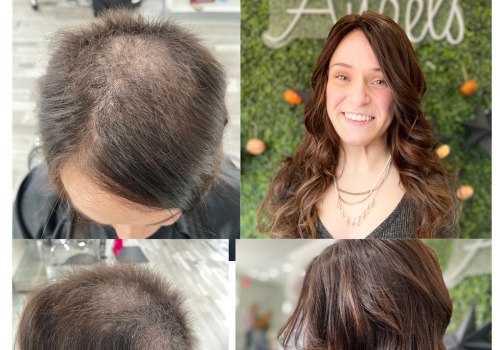
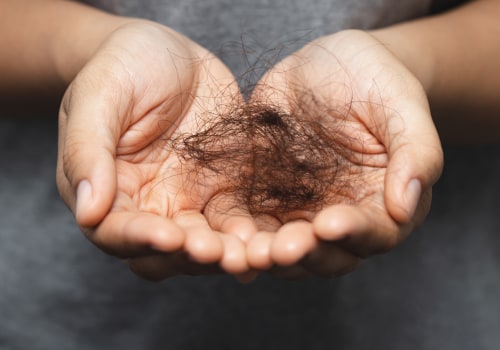
- Compulsive Hair Pulling: The most defining symptom of trichotillomania is the recurrent urge to pull out hair from various parts of the body, including the scalp, eyebrows, eyelashes, and even body hair. This behavior can lead to noticeable hair loss and bald patches.
- Increased Tension: Many individuals report feeling a sense of tension or anxiety before pulling their hair. This tension often dissipates temporarily after the act of pulling, creating a cycle that reinforces the behavior.
- Attempts to Reduce or Stop: Individuals with trichotillomania often make repeated attempts to reduce or stop their hair-pulling behavior but find it challenging to do so.
This struggle can lead to feelings of frustration and helplessness.
- Emotional Distress: The disorder can cause significant emotional distress, including feelings of shame, guilt, or embarrassment about the hair-pulling behavior. This emotional burden can further exacerbate the cycle of pulling.
- Physical Damage: The act of pulling hair can result in physical damage to the skin and hair follicles, leading to infections or scarring in some cases. Individuals may also develop habits such as chewing or eating pulled hair, which can lead to gastrointestinal issues.
Diagnosis of Trichotillomania
The diagnosis of trichotillomania is typically made by a qualified mental health professional based on specific criteria outlined in the Diagnostic and Statistical Manual of Mental Disorders (DSM-5). Key diagnostic criteria include:
- The presence of recurrent hair pulling resulting in noticeable hair loss.
- The hair pulling is not attributable to another medical condition (e.g., a dermatological condition) or better explained by another mental disorder (e.g., obsessive-compulsive disorder).
- The behavior causes clinically significant distress or impairment in social, occupational, or other important areas of functioning.
Early intervention can lead to more effective management strategies and improve overall quality of life.
The Role of Genetics in Trichotillomania
Understanding the genetic underpinnings of trichotillomania is crucial for comprehending why some individuals are more susceptible to this disorder than others. Research indicates that genetics play a significant role in the development of trichotillomania, suggesting that hereditary factors may contribute to its onset and persistence.Studies have shown a notable prevalence of trichotillomania among family members, indicating a potential genetic link. For instance, individuals with a first-degree relative who has trichotillomania are significantly more likely to develop the disorder themselves. This familial pattern suggests that certain genetic traits may predispose individuals to hair-pulling behaviors.Heritability estimates for trichotillomania range from 40% to 60%, indicating that a substantial portion of the risk for developing this disorder can be attributed to genetic factors.This means that while environmental influences and personal experiences are important, genetics plays a critical role in determining an individual's vulnerability to trichotillomania.Moreover, twin studies have provided further insight into the genetic basis of trichotillomania. Research involving identical twins has shown higher concordance rates for the disorder compared to fraternal twins, reinforcing the idea that genetic factors significantly influence the likelihood of developing trichotillomania.In addition to direct familial links, certain genetic markers have been identified that may be associated with trichotillomania. Variations in genes related to neurotransmitter systems, particularly those involving serotonin and dopamine, have been implicated in the disorder. These neurotransmitters are crucial for regulating mood and behavior, and imbalances in their levels can lead to compulsive behaviors such as hair pulling.Understanding these genetic predispositions not only sheds light on the biological mechanisms behind trichotillomania but also emphasizes the importance of early intervention and tailored treatment approaches.
By recognizing the hereditary nature of this disorder, individuals and healthcare providers can better address its complexities and work towards effective management strategies.
Neurotransmitter Imbalances and Their Impact on Trichotillomania
Understanding the neurobiological underpinnings of trichotillomania requires a closer examination of neurotransmitter imbalances, particularly those involving serotonin and dopamine. These neurotransmitters play crucial roles in regulating mood, behavior, and the brain's reward system, all of which are significantly impacted in individuals with this disorder.Serotonin
is a neurotransmitter that helps regulate mood, anxiety, and impulse control. Research indicates that individuals with trichotillomania often exhibit lower levels of serotonin. This deficiency can lead to heightened feelings of anxiety and depression, which may exacerbate the compulsive urge to pull hair.
The relationship between serotonin levels and mood regulation suggests that enhancing serotonin activity could be a potential therapeutic target for managing trichotillomania symptoms.On the other hand, dopamine is associated with the brain's reward pathways. It plays a significant role in reinforcing behaviors that provide pleasure or relief. In the context of trichotillomania, hair-pulling may trigger a release of dopamine, creating a temporary sense of satisfaction or relief from stress. This cycle can reinforce the behavior, making it increasingly difficult for individuals to resist the urge to pull hair.
Understanding this dopamine-driven reward mechanism is essential for developing effective treatment strategies.Moreover, imbalances in other neurotransmitters such as glutamate and GABA (gamma-aminobutyric acid) have also been implicated in trichotillomania. Glutamate is an excitatory neurotransmitter that can increase neuronal activity, while GABA serves as an inhibitory neurotransmitter that calms neural activity. An imbalance between these two can lead to heightened anxiety and impulsivity, further complicating the symptoms of trichotillomania.The implications of these neurotransmitter imbalances for treatment are significant. Medications that target serotonin levels, such as selective serotonin reuptake inhibitors (SSRIs), have shown promise in reducing hair-pulling behaviors by stabilizing mood and decreasing anxiety.
Additionally, treatments aimed at modulating dopamine activity may help disrupt the compulsive cycle associated with hair-pulling.In conclusion, understanding the roles of neurotransmitters like serotonin and dopamine provides valuable insights into the neurobiological factors contributing to trichotillomania. By addressing these imbalances through targeted therapies, individuals may find more effective ways to manage their symptoms and improve their quality of life.
Environmental Factors Influencing Trichotillomania
Understanding the environmental factors that influence trichotillomania is crucial for those affected by this disorder. Various external triggers can significantly impact the onset and severity of hair-pulling behaviors. Among these, stress and trauma are two of the most prominent factors.Stress as a Trigger
Stress is often cited as a major contributor to the exacerbation of trichotillomania symptoms.Individuals may find that their urge to pull hair intensifies during periods of high stress, such as:
- Academic pressures, like exams or deadlines
- Work-related challenges, including job loss or conflicts with colleagues
- Personal issues, such as relationship problems or family conflicts
The Impact of Trauma
Trauma is another significant environmental factor that can trigger or worsen trichotillomania. Many individuals with this disorder report a history of traumatic experiences, which may include:- Physical abuse
- Emotional or psychological abuse
- Sexual assault
- Witnessing violence or experiencing significant loss
Life Events and Their Effects
In addition to chronic stress and trauma, specific life events can also serve as triggers for trichotillomania.Major transitions such as moving to a new city, starting a new job, or experiencing a significant life change (like divorce or the death of a loved one) can provoke feelings of instability and anxiety. These feelings may lead individuals to engage in hair-pulling as a coping mechanism.Recognizing these environmental triggers is essential for developing effective coping strategies. By identifying specific stressors and traumatic experiences, individuals can work with mental health professionals to create tailored treatment plans that address both the psychological and environmental aspects of trichotillomania.
Coping Mechanisms and Treatment Options for Trichotillomania
Managing trichotillomania, a complex disorder characterized by the compulsive urge to pull out one’s hair, requires a multifaceted approach that includes both treatment options and practical coping mechanisms. Understanding these strategies can empower individuals to take control of their symptoms and improve their quality of life.Treatment Options for Trichotillomania
Effective treatment for trichotillomania often involves a combination of therapy and medication.Here are some of the most common approaches:
- Cognitive-Behavioral Therapy (CBT): This is one of the most widely used therapeutic approaches for trichotillomania. CBT focuses on identifying and changing negative thought patterns and behaviors associated with hair pulling. Through structured sessions, individuals learn to recognize triggers and develop healthier coping strategies.
- Habit Reversal Training: A specific type of CBT, habit reversal training teaches individuals to become more aware of their hair-pulling behaviors and replace them with alternative actions. This method has shown promising results in reducing the frequency of hair pulling.
- Medication: While therapy is crucial, some individuals may benefit from medication.
Selective serotonin reuptake inhibitors (SSRIs) are commonly prescribed to help manage symptoms by balancing neurotransmitters in the brain. Other medications, such as clomipramine, have also been found effective in treating trichotillomania.
Coping Mechanisms
In addition to formal treatment options, implementing practical coping strategies can significantly aid in managing trichotillomania symptoms:- Mindfulness and Relaxation Techniques: Practices such as meditation, yoga, or deep-breathing exercises can help reduce stress and anxiety, which are often triggers for hair pulling.
- Keeping Hands Occupied: Engaging in activities that keep the hands busy—such as knitting, drawing, or using fidget toys—can help divert attention away from the urge to pull hair.
- Journaling: Maintaining a journal to track emotions and triggers can provide insights into patterns related to hair pulling. This self-awareness can be instrumental in developing effective coping strategies.
- Support Groups: Connecting with others who understand the challenges of trichotillomania can provide emotional support and encouragement. Sharing experiences in a safe environment can foster a sense of community.
By actively engaging in treatment and utilizing coping strategies, individuals can work towards recovery and regain control over their lives.
Real-Life Experiences: Success Stories and Challenges
Real-life experiences of individuals coping with trichotillomania provide invaluable insights into the complexities of this disorder. These personal accounts not only highlight the struggles faced but also showcase the resilience and determination of those who have sought to overcome their challenges.One inspiring story comes from Sarah, a 28-year-old woman who began pulling her hair at the age of 12. Initially, she found it to be a way to cope with stress and anxiety related to school and social situations. However, as the years went by, her hair pulling escalated, leading to significant bald patches and emotional distress. After years of feeling isolated, Sarah decided to seek help through therapy.Through cognitive-behavioral therapy (CBT), Sarah learned to identify her triggers and develop healthier coping mechanisms.She started journaling her feelings and discovered that mindfulness practices helped reduce her urges. Today, Sarah shares her journey on social media, offering support to others facing similar challenges. Her story serves as a beacon of hope for many, illustrating that recovery is possible with the right tools and support.Another account is that of Mark, a 35-year-old man who struggled with trichotillomania for over two decades. Mark's experience was compounded by feelings of shame and embarrassment, which made it difficult for him to open up about his condition.
After hitting rock bottom, he joined a support group specifically for men dealing with hair-pulling disorders. This community provided him with a safe space to share his experiences and learn from others.Mark found that sharing his story not only helped him heal but also encouraged others in the group to do the same. He emphasizes the importance of connection and understanding in overcoming trichotillomania. His journey highlights that while the path to recovery can be fraught with challenges, having a supportive network can make all the difference.While success stories like those of Sarah and Mark are uplifting, it’s essential to acknowledge that the journey is not always linear.
Many individuals face setbacks along the way. For instance, Emily, a 22-year-old college student, experienced a relapse during finals week despite having made significant progress in managing her urges. She learned that stress could trigger her symptoms unexpectedly and that it was crucial to remain vigilant about her mental health.Emily’s experience underscores the reality that recovery from trichotillomania is an ongoing process. It requires continuous self-awareness and adaptation of coping strategies as life circumstances change.
By sharing these real-life experiences, we can foster a greater understanding of trichotillomania, encouraging empathy and support for those navigating their own journeys.
Support Systems: The Importance of Community in Recovery
Recovery from trichotillomania can be a challenging journey, but the presence of a supportive community can significantly enhance the process. Engaging with others who understand the struggles associated with this disorder can provide not only emotional support but also practical strategies for managing symptoms. Support groups specifically tailored for individuals with trichotillomania offer a safe space where members can share their experiences, challenges, and successes.These groups often foster a sense of belonging and reduce feelings of isolation. Participants can relate to one another's stories, which helps to normalize their experiences and validate their feelings.This shared understanding can be incredibly comforting, as it reminds individuals that they are not alone in their struggles.
Benefits of Support Groups
- Emotional Support: Members can express their feelings without fear of judgment, allowing for cathartic release and emotional healing.
- Shared Strategies: Participants often exchange coping mechanisms and techniques that have worked for them, providing valuable insights into managing urges to pull hair.
- Accountability: Regular meetings encourage individuals to stay committed to their recovery goals, as they share progress and setbacks with the group.
- Resource Sharing: Support groups often provide information about local resources, including therapists specializing in trichotillomania and other mental health services.
Collaborating with a mental health professional can enhance the benefits gained from support groups by addressing underlying issues that may contribute to hair-pulling behaviors.Ultimately, building a robust support system is crucial for anyone dealing with trichotillomania. Whether through formal support groups or informal connections with friends and family, having a network of understanding individuals can make a significant difference in the recovery journey. By fostering these connections, individuals can cultivate resilience and hope as they navigate the complexities of trichotillomania.
Conclusion: Moving Forward with Understanding and Hope
As we conclude our exploration of trichotillomania and its neurobiological underpinnings, it is essential to reflect on the multifaceted nature of this disorder. Understanding the intricate relationship between genetics, brain chemistry, and environmental factors provides a clearer picture of why some individuals may develop this condition while others do not.This knowledge is not just academic; it has real implications for those affected by trichotillomania.The evidence suggests that genetic predispositions can significantly increase the likelihood of developing trichotillomania. If you or someone you know has a family history of this disorder, it is crucial to recognize that these genetic factors are not a personal failing but rather a biological reality. This understanding can foster compassion and reduce stigma, allowing individuals to seek help without shame.Moreover, the role of neurotransmitters such as serotonin and dopamine cannot be overstated. These brain chemicals influence mood and behavior, and their imbalances can lead to the compulsive hair-pulling behaviors characteristic of trichotillomania.
Recognizing that these urges are rooted in neurobiology can empower individuals to pursue effective treatment options, including therapy and medication.Environmental triggers, such as stress and trauma, further complicate the landscape of trichotillomania. By identifying personal triggers and developing coping strategies, individuals can take proactive steps toward managing their symptoms. Support systems—whether through therapy, support groups, or loved ones—are invaluable in this journey.In moving forward, it is vital to approach trichotillomania with a sense of hope. Advances in research continue to shed light on effective treatments and coping mechanisms.
Individuals struggling with this disorder should know that they are not alone; help is available, and recovery is possible.Ultimately, understanding the neurobiological factors associated with trichotillomania equips us with the tools needed to combat this disorder more effectively. By fostering awareness and encouraging open conversations about mental health, we can create a supportive environment that promotes healing and resilience.