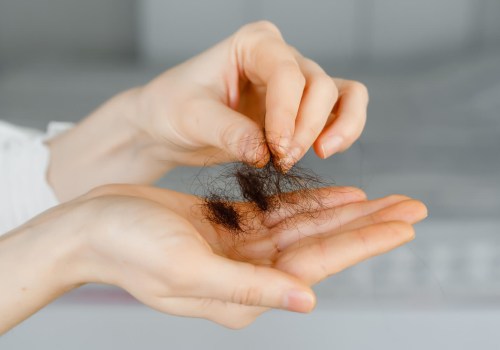
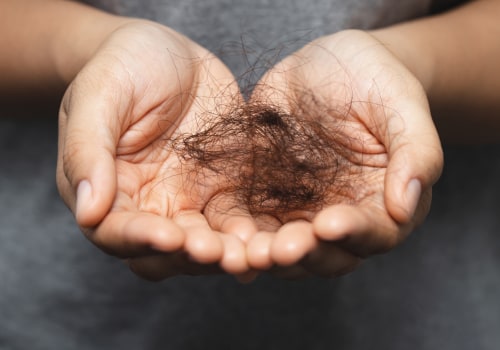
Trichotillomania, often referred to as a hair-pulling disorder, is a complex psychological condition that compels individuals to pull out their own hair, leading to noticeable hair loss and emotional distress. This behavior is not merely a bad habit; it is classified as an impulse control disorder that can significantly impact a person's daily life and self-esteem. Those who experience trichotillomania often find themselves caught in a cycle of pulling, followed by feelings of shame and guilt, which can exacerbate the condition.The roots of trichotillomania are deeply intertwined with emotional and psychological factors, particularly stress and trauma. Many individuals report that hair-pulling serves as a coping mechanism for managing anxiety or overwhelming emotions.
In moments of stress, the act of pulling hair may provide temporary relief, creating a paradox where the behavior becomes both a source of comfort and a cause of further distress. Understanding this relationship is crucial for those affected, as it highlights the need for effective coping strategies and therapeutic interventions.As we delve deeper into the intricacies of trichotillomania, it becomes evident that this disorder is not just about the physical act of hair-pulling; it encompasses a broader spectrum of emotional challenges. Individuals may struggle with underlying issues such as low self-esteem, depression, or anxiety disorders, which can complicate their journey toward recovery. By recognizing trichotillomania as a multifaceted psychological condition, we can better appreciate the importance of comprehensive treatment approaches that address both the symptoms and the root causes.
What is Trichotillomania?
Trichotillomania, often referred to as a hair-pulling disorder, is classified as a mental health condition characterized by the compulsive urge to pull out one’s own hair.This behavior can occur on various parts of the body, including the scalp, eyebrows, eyelashes, and even facial or body hair. The act of pulling hair is not merely a habit; it is a complex psychological response that can be triggered by emotional distress, anxiety, or boredom.The symptoms of trichotillomania can vary significantly among individuals, but they generally include:
- Compulsive Hair Pulling: The primary symptom is the recurrent pulling of hair, which may lead to noticeable hair loss and bald patches.
- Increased Tension: Many individuals report feeling an increasing sense of tension or anxiety before pulling their hair, followed by a sense of relief or gratification after the act.
- Attempts to Stop: Individuals often make repeated attempts to reduce or stop their hair-pulling behavior but find it challenging to do so.
- Emotional Distress: The disorder can lead to significant emotional distress, impacting self-esteem and social interactions.
- Behavioral Patterns: Some may develop rituals around hair pulling, such as examining the pulled hair or playing with it.
Recognizing these symptoms and understanding the nature of trichotillomania can pave the way for effective coping strategies and treatment options.
The Psychological Underpinnings of Trichotillomania
Trichotillomania, often classified as an impulse control disorder , is deeply rooted in psychological factors that can significantly influence its onset and persistence. Understanding these psychological underpinnings is crucial for effective management and treatment of the condition.At its core, trichotillomania involves an uncontrollable urge to pull out one’s hair, which can lead to noticeable hair loss and emotional distress. This behavior is not merely a habit; it often serves as a coping mechanism for individuals dealing with underlying psychological issues. Many people with trichotillomania report that they engage in hair pulling during moments of heightened stress or anxiety, suggesting a strong link between emotional states and the disorder.Research indicates that individuals with trichotillomania frequently experience co-occurring mental health disorders , such as:- Anxiety Disorders: Many individuals with trichotillomania also suffer from generalized anxiety disorder, social anxiety, or panic disorder.
The act of hair pulling may provide temporary relief from anxiety, creating a cycle that reinforces the behavior.
- Depression: Feelings of sadness, hopelessness, or low self-esteem can exacerbate the urge to pull hair. The physical act may serve as a distraction from emotional pain or a way to exert control in an otherwise overwhelming situation.
- Obsessive-Compulsive Disorder (OCD): There is a notable overlap between trichotillomania and OCD. Individuals may experience intrusive thoughts about their appearance or feel compelled to pull hair as part of a ritualistic behavior.
Over time, this behavior becomes reinforced as a maladaptive coping strategy, making it increasingly difficult to break the cycle.Furthermore, genetic predisposition may play a role in the development of trichotillomania. Studies suggest that individuals with a family history of impulse control disorders are at a higher risk for developing similar conditions. This genetic component, combined with environmental factors such as trauma or chronic stress, can create a perfect storm for the emergence of trichotillomania.In summary, understanding the psychological underpinnings of trichotillomania is essential for effective treatment. By addressing not only the hair-pulling behavior but also the underlying mental health issues and emotional triggers, individuals can develop healthier coping mechanisms and work towards recovery.
Triggers: The Role of Stress and Trauma in Trichotillomania
Understanding the triggers of trichotillomania is crucial for those affected by this condition, as it often intertwines with experiences of stress and trauma.These factors can significantly influence the onset and severity of hair-pulling behaviors, making it essential to recognize and address them.
Types of Stressors
- Daily Stressors: Everyday challenges such as work pressure, academic demands, or relationship issues can accumulate over time, leading to heightened anxiety and the urge to pull hair as a coping mechanism.
- Life Transitions: Major life changes, including moving to a new city, starting a new job, or experiencing a breakup, can trigger feelings of uncertainty and stress that may exacerbate trichotillomania symptoms.
- Chronic Stress: Ongoing stress from long-term situations, such as financial difficulties or caregiving responsibilities, can create a persistent state of anxiety that may lead individuals to seek relief through hair pulling.
Traumatic Experiences
Trauma plays a significant role in the development of trichotillomania. Individuals who have experienced traumatic events may find themselves using hair pulling as a way to cope with overwhelming emotions. Common traumatic experiences include:
- Abuse: Physical, emotional, or sexual abuse can leave deep psychological scars that manifest in various ways, including compulsive hair pulling.
- Neglect: Growing up in an environment where emotional needs are unmet can lead to feelings of worthlessness and anxiety, prompting individuals to engage in hair-pulling behaviors.
- Loss: The death of a loved one or the end of a significant relationship can trigger intense grief and stress, which may lead to an increase in hair-pulling episodes.
Coping Mechanisms
Recognizing these triggers is the first step toward developing effective coping mechanisms. Here are some strategies that may help:
- Meditation and Mindfulness: Practicing mindfulness can help individuals become more aware of their urges and reduce stress levels.
- Journaling: Keeping a journal to document feelings and triggers can provide insight into patterns and help identify specific stressors.
- Physical Activity: Engaging in regular exercise can alleviate stress and improve overall mental health.
- Support Networks: Connecting with friends, family, or support groups can provide emotional support and reduce feelings of isolation.
Coping Strategies for Managing Trichotillomania
Managing trichotillomania can be a challenging journey, but implementing effective coping strategies can significantly improve one’s quality of life.Here are several self-help techniques and mindfulness practices that can help individuals manage their urges and reduce the impact of this condition.
Self-Help Techniques
- Journaling: Keeping a journal can be an invaluable tool for tracking triggers and emotions. By writing down when the urge to pull arises, individuals can identify patterns and specific stressors that contribute to their behavior. This awareness can empower them to develop proactive strategies.
- Fidget Tools: Using fidget toys or stress balls can provide a physical outlet for nervous energy. These tools can help redirect the urge to pull hair by keeping hands busy, thus reducing the likelihood of engaging in hair-pulling behavior.
- Habit Reversal Training: This technique involves replacing the hair-pulling habit with a competing response.
For example, when feeling the urge to pull, one might squeeze a stress ball or engage in another activity that occupies their hands.
Mindfulness Practices
- Meditation: Practicing mindfulness meditation can help individuals become more aware of their thoughts and feelings without judgment. This awareness can create a space between the urge to pull and the action itself, allowing for more conscious decision-making.
- Deep Breathing Exercises: Engaging in deep breathing techniques can help reduce anxiety and stress levels. Taking slow, deep breaths can calm the mind and body, making it easier to resist the urge to pull hair.
- Progressive Muscle Relaxation: This technique involves tensing and then relaxing different muscle groups in the body. It helps alleviate physical tension that may accompany stress and anxiety, which are often triggers for hair pulling.
Healthy Outlets for Stress Relief
Finding healthy ways to cope with stress is crucial for managing trichotillomania.Here are some effective outlets:
- Physical Activity: Regular exercise is a powerful way to reduce stress and improve mood. Activities such as walking, running, or yoga not only promote physical health but also release endorphins that enhance emotional well-being.
- Creative Expression: Engaging in creative activities like painting, drawing, or playing music can serve as an emotional outlet. These activities allow individuals to express their feelings in a constructive manner, reducing the need to resort to hair pulling.
- Social Support: Connecting with friends or family members who understand the challenges of trichotillomania can provide emotional support. Sharing experiences and coping strategies with others can foster a sense of community and reduce feelings of isolation.
While it may take time and practice, finding what works best for each person is key to navigating this condition successfully.
Therapeutic Approaches to Treating Trichotillomania
When it comes to managing trichotillomania, a multifaceted approach that includes various therapeutic modalities can be highly effective. Among these, cognitive behavioral therapy (CBT) stands out as a leading treatment option. CBT is designed to help individuals identify and modify the thought patterns and behaviors that contribute to their hair-pulling urges.Cognitive Behavioral Therapy
- CBT focuses on understanding the triggers that lead to hair pulling, which often include stress, anxiety, or specific emotional states.
- Through structured sessions, therapists guide individuals in recognizing these triggers and developing healthier coping strategies.
- One effective technique within CBT is habit reversal training , which encourages individuals to replace the urge to pull hair with alternative behaviors, such as squeezing a stress ball or engaging in a different physical activity.
- Acceptance and Commitment Therapy (ACT) : This form of therapy helps individuals accept their thoughts and feelings rather than fighting against them. By fostering mindfulness and commitment to personal values, ACT can reduce the distress associated with hair pulling.
- Dialectical Behavior Therapy (DBT) : Originally developed for borderline personality disorder, DBT has been adapted for various conditions, including trichotillomania.
It emphasizes emotional regulation and interpersonal effectiveness, which can be beneficial for those struggling with impulse control.
- Supportive Therapy : This approach provides emotional support and encouragement. Therapists help individuals explore their feelings about trichotillomania and its impact on their lives, fostering a sense of understanding and acceptance.
- Medication : In some cases, healthcare providers may prescribe medications such as selective serotonin reuptake inhibitors (SSRIs) to help manage symptoms of anxiety or depression that often accompany trichotillomania.
- Self-Help Strategies : Individuals are encouraged to engage in self-care practices such as mindfulness meditation, journaling, or joining support groups. These strategies can provide additional tools for managing urges and reducing stress.
Medication Options for Trichotillomania Management
When it comes to managing trichotillomania, medication can play a crucial role, particularly when combined with therapeutic interventions.While therapy, especially cognitive behavioral therapy (CBT), is often the first line of treatment, pharmacological options can provide additional support for individuals struggling with this condition.
Selective Serotonin Reuptake Inhibitors (SSRIs)
One of the most commonly prescribed classes of medications for trichotillomania are selective serotonin reuptake inhibitors (SSRIs). These medications work by increasing the levels of serotonin in the brain, which can help improve mood and reduce anxiety. Some studies have shown that SSRIs can be effective in decreasing hair-pulling behaviors in individuals with trichotillomania.- Fluoxetine : Often known by its brand name Prozac, fluoxetine has been studied for its effectiveness in treating trichotillomania. It may help reduce the frequency and intensity of hair-pulling urges.
- Fluvoxamine : Another SSRI, fluvoxamine has shown promise in clinical trials for reducing symptoms associated with trichotillomania.
Other Pharmacological Treatments
In addition to SSRIs, other medications may also be considered for managing trichotillomania:- Antipsychotics : Medications such as olanzapine and aripiprazole have been explored for their potential benefits in treating trichotillomania, particularly in cases where anxiety or mood disorders are present.
- Mood Stabilizers : Medications like lamotrigine may be beneficial for individuals who experience mood swings or emotional dysregulation alongside their hair-pulling behaviors.
- N-acetylcysteine (NAC) : This supplement has gained attention for its potential to reduce compulsive behaviors, including hair pulling.
Some studies suggest that NAC may help modulate glutamate levels in the brain, which could be beneficial for those with trichotillomania.
Support Systems: Finding Help for Trichotillomania
Living with trichotillomania can be an isolating experience, but it’s crucial to recognize that support systems play a vital role in managing this condition. Connecting with others who understand the challenges of hair-pulling disorder can provide not only comfort but also practical strategies for coping.Here are some valuable resources and support options available for individuals affected by trichotillomania.
Support Groups
Support groups offer a safe space for individuals to share their experiences, challenges, and successes in dealing with trichotillomania. These groups can be found both in-person and online, allowing for flexibility based on personal preferences and availability. Here are some notable options:- TLC Foundation for Body-Focused Repetitive Behaviors:TLC Foundation for Body-Focused Repetitive Behaviors: This organization provides a wealth of resources, including support groups specifically for those affected by trichotillomania. They offer both virtual and in-person meetings, fostering a sense of community among participants.
- Meetup Groups: Websites like Meetup.com often host local gatherings for individuals dealing with trichotillomania.
These informal meetups can help build connections and provide emotional support.
- Facebook Groups: Numerous private Facebook groups exist where members can share their stories, seek advice, and offer encouragement to one another. These groups can be particularly helpful for those who prefer online interaction.
Online Resources
The internet is a treasure trove of information and support for those struggling with trichotillomania. Here are some key online resources:- Websites: Numerous websites provide educational materials about trichotillomania, including treatment options, coping strategies, and personal stories from others who have faced similar challenges.
- Forums: Online forums dedicated to mental health issues often have sections specifically for body-focused repetitive behaviors. These platforms allow users to ask questions, share experiences, and receive feedback from others.
- YouTube Channels: Many individuals share their journeys with trichotillomania through vlogs, offering insights into their coping mechanisms and recovery processes.
Therapists specializing in cognitive-behavioral therapy (CBT) can provide tailored strategies to manage urges and develop healthier coping mechanisms. Combining professional guidance with community support can create a comprehensive approach to managing trichotillomania.Ultimately, finding the right support system is a personal journey. Whether through local support groups or online communities, connecting with others who understand the complexities of trichotillomania can significantly enhance one’s ability to cope and thrive despite the challenges posed by this condition.
Personal Stories: Overcoming Trichotillomania
Personal stories can be incredibly powerful, especially when it comes to understanding and overcoming trichotillomania. Hearing from those who have faced similar struggles can provide not only insight but also hope for recovery.Here are a few inspiring testimonials from individuals who have navigated the challenges of this condition.
Emily's Journey: Finding Strength in Vulnerability
Emily, a 28-year-old graphic designer, began pulling her hair out during her teenage years as a response to overwhelming stress from school and family expectations. "At first, I thought it was just a bad habit," she recalls. "But as time went on, I realized it was my way of coping with anxiety. I felt ashamed and alone." After years of struggling in silence, Emily decided to seek help through therapy."Cognitive Behavioral Therapy (CBT) changed my life," she shares."It helped me understand my triggers and develop healthier coping mechanisms. I learned to replace hair pulling with activities like drawing or journaling. Today, I still have moments of struggle, but I feel empowered to manage my urges." Emily now advocates for mental health awareness and encourages others to seek help.
Mark's Transformation: Embracing Community Support
Mark, a 35-year-old teacher, found himself battling trichotillomania after experiencing a traumatic event in his early twenties. "I felt like I was losing control of my life," he explains."Pulling my hair became a way to cope with the chaos around me." After years of isolation, Mark discovered an online support group dedicated to body-focused repetitive behaviors."Connecting with others who understood my struggles was liberating," he says. "Hearing their stories made me realize I wasn’t alone. We shared tips and strategies that helped us cope better." Mark credits this community for his recovery journey and now leads workshops to help others find their path to healing.
Sara's Story: The Power of Self-Compassion
Sara, a 22-year-old college student, struggled with trichotillomania for nearly a decade before she learned the importance of self-compassion. "I used to beat myself up for pulling my hair, thinking it was a sign of weakness," she reflects."But through therapy, I learned that being kind to myself was crucial in my recovery process." Sara began practicing mindfulness and self-care techniques that allowed her to address her emotions without resorting to hair pulling."Now, when I feel the urge to pull, I take a moment to breathe and check in with myself," she explains. "It’s not always easy, but I’ve come to accept that recovery is a journey, not a destination." Sara hopes her story will inspire others to embrace their own paths toward healing.These personal narratives highlight the diverse experiences individuals face while dealing with trichotillomania. They remind us that recovery is possible and that seeking support—whether through therapy or community—can make all the difference in overcoming this challenging condition.
Conclusion: Moving Forward with Understanding and Support
In conclusion, understanding trichotillomania is crucial for both those affected by the disorder and their loved ones. This complex condition, often rooted in stress and trauma, requires a compassionate approach that acknowledges the emotional and psychological struggles individuals face.Throughout this article, we have explored the multifaceted nature of trichotillomania, highlighting its symptoms, potential triggers, and the importance of seeking appropriate treatment.Recognizing that trichotillomania is not merely a habit but a serious mental health issue is the first step toward effective management. Individuals grappling with this disorder often find themselves in a cycle of shame and frustration, which can exacerbate their symptoms. Therefore, fostering an environment of understanding and support is essential. Friends and family members can play a pivotal role by offering empathy and encouragement, helping to reduce feelings of isolation.Moreover, we discussed various treatment options available for those dealing with trichotillomania.
Therapy, particularly cognitive behavioral therapy (CBT), has proven to be an effective method for addressing the underlying issues associated with hair-pulling behaviors. Additionally, medication may be beneficial for some individuals, especially when combined with therapeutic interventions. Self-help techniques such as mindfulness practices and stress management strategies can also empower individuals to take control of their urges.It is vital for anyone affected by trichotillomania to remember that they are not alone in their journey. Numerous resources are available, including support groups and online communities where individuals can share their experiences and coping strategies.
Engaging with these resources can provide a sense of belonging and validation.As we move forward, let us continue to raise awareness about trichotillomania and advocate for those who struggle with it. By fostering understanding and providing support, we can help individuals reclaim their lives from this challenging disorder. Recovery is possible, and with the right tools and support systems in place, individuals can learn to manage their symptoms effectively.