Trichotillomania
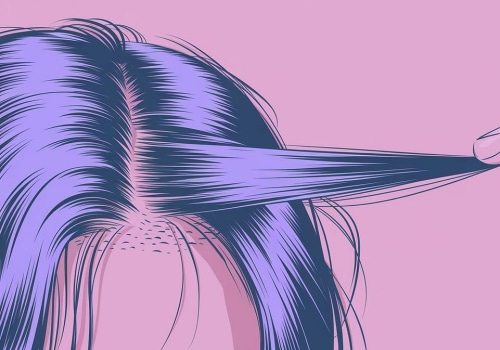
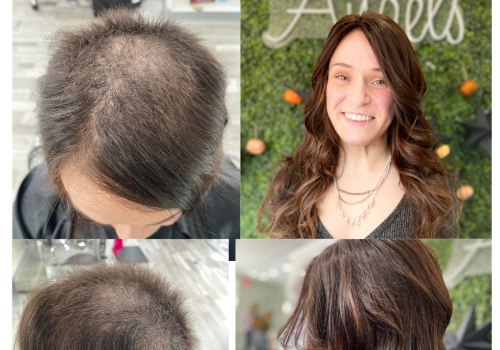
, often referred to as a hair pulling disorder, is a complex mental health condition that affects individuals across various age groups, though it commonly begins in childhood or adolescence. This disorder is characterized by an irresistible urge to pull out one’s own hair, leading to noticeable hair loss and significant distress. The act of pulling hair can occur from any part of the body, including the scalp, eyebrows, and eyelashes, and is often accompanied by feelings of tension before the act and relief or gratification afterward. Understanding trichotillomania is essential for recognizing its profound impact on those who suffer from it.The symptoms of trichotillomania extend beyond the physical act of hair pulling.
Many individuals experience emotional and psychological challenges, such as anxiety, depression, and low self-esteem. These symptoms can create a vicious cycle where the individual pulls hair as a coping mechanism for stress or emotional discomfort, which in turn exacerbates feelings of shame and isolation. The visible effects of hair loss can lead to social withdrawal and avoidance of situations where one might be judged or ridiculed, further complicating their mental health.Moreover, trichotillomania is often misunderstood by those who are not familiar with the disorder. It is not merely a bad habit or a sign of poor self-control; rather, it is classified as a mental health disorder that requires understanding and compassion.
Individuals with trichotillomania may struggle with feelings of guilt and frustration over their inability to stop pulling their hair despite their desire to do so. This highlights the importance of effective coping strategies and support systems that can help manage the symptoms and improve overall well-being.
The Psychological Impact of Trichotillomania
Trichotillomania, often referred to as hair-pulling disorder, is not just a physical condition; it carries significant psychological effects that can deeply impact an individual's emotional well-being. Those who struggle with this disorder frequently experience a range of negative emotions, including shame, anxiety, and low self-esteem. Understanding these psychological challenges is crucial for developing effective coping strategies.One of the most profound emotional impacts of trichotillomania is the sense of shame that often accompanies the disorder.Many individuals feel embarrassed about their hair-pulling behavior, leading them to hide their condition from friends and family. This secrecy can create a cycle of isolation, where the individual feels increasingly alone in their struggle. The fear of judgment or misunderstanding from others can exacerbate feelings of shame, making it even more difficult to seek help.
Anxiety
is another common psychological effect associated with trichotillomania. The urge to pull hair can be triggered by stress or anxiety, creating a vicious cycle where the act of pulling provides temporary relief but ultimately leads to increased anxiety levels.
This cycle can make it challenging for individuals to manage their symptoms effectively, as they may resort to hair-pulling as a coping mechanism during stressful situations.Low self-esteem is also prevalent among those with trichotillomania. The visible consequences of hair-pulling, such as bald patches or thinning hair, can lead to negative body image and feelings of inadequacy. Individuals may compare themselves unfavorably to others, further diminishing their self-worth. This negative self-perception can hinder personal relationships and social interactions, leading to withdrawal from activities that once brought joy.Given these emotional challenges, it is essential for individuals with trichotillomania to develop effective coping mechanisms.
Engaging in practices such as yoga and mindfulness can provide valuable tools for managing anxiety and improving self-esteem. By fostering a sense of self-compassion and acceptance, individuals can begin to break free from the cycle of shame and anxiety associated with their condition.In conclusion, the psychological impact of trichotillomania extends far beyond the physical act of hair-pulling. Recognizing the emotional struggles faced by those with this disorder is vital for creating supportive environments and encouraging effective coping strategies. By addressing these psychological effects head-on, individuals can work towards healing and reclaiming their sense of self-worth.
The Role of Stress in Trichotillomania
Understanding the intricate relationship between stress and trichotillomania is crucial for effective management of this condition.Stress often acts as a catalyst, intensifying the urges to pull hair and making it more challenging for individuals to resist these compulsions. Recognizing common stress triggers can empower those affected by trichotillomania to develop strategies to mitigate their impact.Common triggers of stress that may exacerbate trichotillomania include:
- Life Changes: Major transitions such as moving, changing jobs, or experiencing a breakup can lead to heightened anxiety and stress levels.
- Interpersonal Conflicts: Tensions in relationships, whether with family, friends, or colleagues, can create emotional turmoil that may trigger hair-pulling episodes.
- Performance Pressure: Situations that demand high performance, such as exams or presentations, can induce significant stress and anxiety.
- Daily Hassles: Routine stressors like traffic jams, work deadlines, or financial concerns can accumulate and contribute to an overall sense of overwhelm.
Therefore, managing anxiety is essential for those dealing with trichotillomania.Implementing effective stress management techniques can significantly reduce the frequency and intensity of hair-pulling urges. Some beneficial strategies include:
- Meditation: Practicing mindfulness meditation can help individuals become more aware of their thoughts and feelings, allowing them to respond to stressors with greater calmness.
- Deep Breathing Exercises: Engaging in deep breathing can activate the body’s relaxation response, counteracting the physiological effects of stress.
- Physical Activity: Regular exercise is a powerful tool for reducing stress and improving mood. Activities like yoga or even brisk walking can be particularly beneficial.
- Journaling: Writing about feelings and experiences can provide an outlet for emotions and help identify specific triggers related to stress and hair pulling.
Yoga: A Holistic Approach to Coping with Trichotillomania
Yoga is not just a physical exercise; it is a comprehensive approach that integrates the mind, body, and spirit.For individuals coping with trichotillomania, a condition characterized by the compulsive urge to pull out one’s hair, yoga can serve as a powerful tool for managing symptoms and fostering emotional resilience.One of the primary benefits of yoga is its ability to promote relaxation and reduce stress. Stress is a significant trigger for many individuals with trichotillomania, often leading to increased urges to pull hair. By engaging in regular yoga practice, individuals can cultivate a sense of calm and mindfulness that helps mitigate these triggers. The combination of physical postures, controlled breathing, and meditation creates an environment conducive to emotional healing.
Key Yoga Techniques for Managing Trichotillomania
Several specific yoga techniques can be particularly beneficial for those dealing with trichotillomania:- Asanas (Postures): Gentle yoga postures such as Child’s Pose, Cat-Cow Stretch, and Forward Bend can help release physical tension in the body.
These poses encourage relaxation and can be practiced at any time during the day when urges arise.
- Pranayama (Breathing Exercises): Techniques like Nadi Shodhana (Alternate Nostril Breathing) and Ujjayi Breath (Victorious Breath) are effective in calming the nervous system. These practices help regulate emotions and reduce anxiety levels, making it easier to resist the urge to pull hair.
- Meditation: Incorporating meditation into your yoga routine can enhance self-awareness and promote emotional regulation. Mindfulness meditation encourages individuals to observe their thoughts and feelings without judgment, which can be particularly useful in recognizing triggers associated with trichotillomania.
By integrating physical movement with mental focus and emotional awareness, yoga not only addresses the symptoms of this condition but also promotes overall well-being and resilience.
Key Yoga Techniques for Managing Trichotillomania
When it comes to managing trichotillomania, specific yoga techniques can play a crucial role in alleviating symptoms and promoting relaxation. By focusing on particular poses and breathing exercises, individuals can cultivate a sense of calm and mindfulness that may help reduce the urge to pull hair.Yoga Poses for Relaxation
Certain yoga poses are particularly effective for fostering relaxation and grounding oneself. Here are a few key poses to consider:- Child's Pose (Balasana): This restorative pose encourages deep relaxation. Kneel on the mat, sit back on your heels, and stretch your arms forward while resting your forehead on the ground.
This position helps to calm the mind and release tension in the back.
- Legs-Up-the-Wall Pose (Viparita Karani): This gentle inversion promotes circulation and relaxation. Lie on your back with your legs extended up against a wall. This pose can help alleviate anxiety and create a sense of peace.
- Seated Forward Bend (Paschimottanasana): Sit with your legs extended in front of you, and gently reach for your feet while keeping your spine straight. This pose encourages introspection and can help soothe the nervous system.
Breathing Techniques in Yoga
Incorporating breathing techniques, or pranayama, into your yoga practice can significantly enhance relaxation and mindfulness.Here are some effective techniques:
- Diaphragmatic Breathing: Also known as abdominal breathing, this technique involves inhaling deeply through the nose, allowing your abdomen to expand, and then exhaling slowly through the mouth. This method helps activate the body's relaxation response.
- Nadi Shodhana (Alternate Nostril Breathing): This technique balances the left and right hemispheres of the brain. Close one nostril with your thumb, inhale through the other nostril, then switch sides. This practice can help reduce anxiety and promote mental clarity.
- Ujjayi Breath: Often referred to as "ocean breath," this technique involves slightly constricting the throat while breathing in and out through the nose, creating a soothing sound.
Ujjayi breath can enhance focus during yoga practice.
The Importance of Mindfulness in Yoga
Mindfulness is a fundamental aspect of yoga that encourages practitioners to be present in the moment. For individuals coping with trichotillomania, cultivating mindfulness can be particularly beneficial:- Aware of Triggers: Mindfulness helps individuals recognize their triggers for hair pulling, allowing them to respond more effectively rather than react impulsively.
- Emotional Regulation: By practicing mindfulness during yoga, individuals can learn to observe their thoughts and feelings without judgment, fostering emotional resilience.
- Enhanced Self-Compassion: Mindfulness encourages self-acceptance, which is essential for those struggling with feelings of shame associated with trichotillomania.
Incorporating Other Relaxation Practices
In addition to yoga, there are several other relaxation practices that can significantly aid individuals coping with trichotillomania. These techniques not only promote relaxation but also enhance self-awareness and emotional regulation, which are crucial for managing the urges associated with this condition.Meditation
Meditation is a powerful tool for cultivating mindfulness and reducing stress.By focusing on the present moment, individuals can develop a greater awareness of their thoughts and feelings, which can help in recognizing the triggers that lead to hair pulling. There are various forms of meditation that can be beneficial:
- Mindfulness Meditation: This practice involves paying attention to your breath and observing your thoughts without judgment. It encourages a non-reactive awareness that can help you notice the urge to pull hair without acting on it.
- Guided Meditation: Utilizing recordings or apps, guided meditations can provide direction and support, making it easier for beginners to engage in the practice. These sessions often focus on relaxation and visualization techniques that can help reduce anxiety.
- Loving-Kindness Meditation: This form of meditation fosters compassion towards oneself and others.
By repeating phrases of goodwill, individuals can cultivate a sense of self-acceptance, which is particularly important for those struggling with the shame often associated with trichotillomania.
Deep Breathing Exercises
Deep breathing exercises are another effective method for managing stress and anxiety. These exercises help activate the body’s relaxation response, counteracting the physiological effects of stress. Here are a few techniques to consider:- Diaphragmatic Breathing: Also known as abdominal breathing, this technique involves inhaling deeply through the nose, allowing the diaphragm to expand fully. Exhale slowly through the mouth.
This method helps calm the nervous system and can be practiced anywhere.
- 4-7-8 Breathing: Inhale for a count of four, hold your breath for seven counts, and exhale slowly for eight counts. This technique not only promotes relaxation but also helps in reducing anxiety levels.
- Box Breathing: Inhale for four counts, hold for four counts, exhale for four counts, and hold again for four counts before repeating. This structured approach can be particularly grounding during moments of heightened urge or stress.
Progressive Muscle Relaxation
Progressive muscle relaxation (PMR) is a technique that involves tensing and then relaxing different muscle groups in the body. This practice helps individuals become more aware of physical tension and promotes overall relaxation.To practice PMR:
- Find a quiet space where you can sit or lie down comfortably.
- Start at your toes; tense the muscles tightly for five seconds, then release and notice the difference in sensation.
- Gradually work your way up through each muscle group—feet, legs, abdomen, arms, shoulders, neck, and face—tensing and relaxing each area.
- Finish by taking a few deep breaths and enjoying the feeling of relaxation throughout your body.
Creating a Personalized Relaxation Routine
Creating a personalized relaxation routine is essential for effectively managing the symptoms of trichotillomania. A tailored approach allows individuals to address their unique triggers and preferences, making it easier to incorporate relaxation practices into their daily lives. Here are some steps to help you develop a routine that works for you:- Assess Your Needs: Begin by identifying the specific situations or feelings that trigger your urge to pull hair.
Keeping a journal can be beneficial in tracking these moments, as it helps you understand your emotional landscape better.
- Choose Your Practices: Select relaxation techniques that resonate with you. While yoga is a powerful tool, consider integrating other practices such as meditation, deep breathing exercises, or progressive muscle relaxation. Experiment with different methods to find what feels most effective.
- Set a Schedule: Consistency is key when it comes to relaxation practices. Designate specific times during your day for these activities.
Whether it’s a morning yoga session or an evening meditation, having a set schedule can help reinforce the habit.
- Create a Comfortable Space: Designate a calming area in your home where you can practice your relaxation techniques. This space should be free from distractions and filled with items that promote tranquility, such as soft lighting, soothing scents, or comfortable seating.
- Incorporate Mindfulness: As you engage in your chosen practices, focus on being present in the moment. Mindfulness can enhance the effectiveness of your routine by helping you connect with your thoughts and feelings without judgment.
- Evaluate and Adjust: Regularly assess how your routine is working for you. Are there specific practices that are particularly helpful? Are there times when you struggle to stick to your schedule? Be open to adjusting your routine as needed to better suit your evolving needs.
By prioritizing relaxation and mindfulness, you not only reduce stress but also cultivate a deeper sense of self-awareness and compassion. Remember that this journey is personal; what works for one person may not work for another. Therefore, take the time to explore various techniques and find what truly resonates with you.Ultimately, creating a personalized relaxation routine is about fostering a supportive environment for yourself. By committing to regular practice and self-care, you empower yourself to cope more effectively with the challenges of trichotillomania.
Success Stories: Real-Life Experiences with Yoga and Relaxation Techniques
Many individuals struggling with trichotillomania have found solace and healing through yoga and relaxation techniques.Their stories serve as powerful testimonials to the effectiveness of these practices in managing the compulsive urge to pull hair. Here are a few inspiring success stories that highlight the transformative impact of yoga and relaxation on their lives.
Emily's Journey: Finding Peace Through Yoga
Emily, a 28-year-old graphic designer, had battled trichotillomania since her teenage years. After years of feeling ashamed and isolated, she decided to try yoga as a last resort. Initially skeptical, she attended a local class focused on mindfulness and gentle movements.
To her surprise, Emily found that the combination of physical postures and breathing exercises helped her become more aware of her body and emotions."Yoga taught me to listen to my body instead of reacting impulsively," she shares. "The moments I spent on the mat became a sanctuary where I could release my stress and anxiety without judgment." Over time, Emily noticed a significant reduction in her hair-pulling episodes, attributing this change to her newfound ability to manage stress through yoga.
Mark's Experience: Meditation as a Tool for Self-Discovery
Mark, a 35-year-old teacher, struggled with trichotillomania for over a decade. After attending a workshop on mindfulness meditation, he decided to incorporate meditation into his daily routine. Mark found that dedicating just ten minutes each morning to meditation helped him cultivate a sense of calm and clarity."Meditation allowed me to observe my thoughts without judgment," he explains.
"I learned to recognize the triggers that led to my hair-pulling urges and developed healthier coping mechanisms." As Mark continued his practice, he experienced fewer urges and felt more in control of his actions.
Sara's Transformation: A Holistic Approach
Sara, a 22-year-old college student, discovered yoga during a particularly stressful semester. Struggling with trichotillomania, she sought out classes that emphasized relaxation techniques. Through consistent practice, Sara learned various methods such as deep breathing and progressive muscle relaxation."Yoga became my escape from the chaos of school life," she recalls. "The deep breathing exercises helped me ground myself during moments of anxiety, reducing my urge to pull my hair." Sara's journey illustrates how integrating multiple relaxation techniques can create a comprehensive approach to managing trichotillomania.These personal experiences highlight the profound impact that yoga and relaxation techniques can have on individuals coping with trichotillomania.
By sharing their journeys, Emily, Mark, and Sara inspire others to explore these practices as viable options for healing and self-discovery.
Frequently Asked Questions about Trichotillomania and Relaxation Practices
Understanding trichotillomania and its management can raise many questions, especially regarding the role of yoga and relaxation techniques. Here are some frequently asked questions that can provide clarity and guidance for those seeking to cope with this condition.What is trichotillomania?
Trichotillomania, also known as hair-pulling disorder, is a mental health condition characterized by an irresistible urge to pull out one’s own hair. This behavior can lead to noticeable hair loss and significant distress. It often coexists with other mental health issues such as anxiety and depression.How can yoga help individuals with trichotillomania?
Yoga offers a holistic approach to managing trichotillomania.The practice encourages mindfulness, which helps individuals become more aware of their triggers and urges. Additionally, the physical postures and breathing exercises in yoga can:
- Reduce stress and anxiety levels.
- Enhance emotional regulation.
- Promote relaxation and a sense of well-being.
What are some effective relaxation techniques for managing trichotillomania?
In addition to yoga, several relaxation techniques can be beneficial for those dealing with trichotillomania. These include:- Meditation: Practicing mindfulness meditation can help calm the mind and reduce impulsive behaviors.
- Deep Breathing: Engaging in deep breathing exercises can lower stress levels and promote a sense of tranquility.
- Progressive Muscle Relaxation: This technique involves tensing and relaxing different muscle groups, which can alleviate physical tension associated with anxiety.
- Guided Imagery: Visualizing peaceful scenes or experiences can help distract from urges to pull hair.
Is it necessary to consult a professional before starting yoga or relaxation practices?
While yoga and relaxation techniques are generally safe, it is advisable for individuals with trichotillomania to consult a mental health professional or a certified yoga instructor. They can provide personalized guidance tailored to individual needs, ensuring that the practices are both safe and effective.By addressing these common questions, individuals can gain a better understanding of how yoga and relaxation practices can serve as valuable tools in coping with trichotillomania.Conclusion: Embracing Yoga and Relaxation for Better Management of Trichotillomania
In summary, the journey of managing trichotillomania can be significantly enhanced through the incorporation of yoga and various relaxation practices into daily life.Throughout this article, we have explored how these techniques not only address the physical aspects of the disorder but also provide essential mental and emotional support.Yoga serves as a multifaceted approach that combines physical movement, breath control, and mindfulness. This holistic practice can help individuals with trichotillomania by:
- Reducing Stress: The gentle movements and stretches in yoga promote relaxation, which can alleviate the stress that often triggers hair-pulling urges.
- Enhancing Self-Awareness: Through mindfulness and meditation, yoga encourages individuals to become more aware of their thoughts and feelings, allowing for better management of compulsive behaviors.
- Improving Emotional Regulation: Regular practice can lead to improved mood and emotional stability, making it easier to cope with the challenges associated with trichotillomania.
Establishing a regular routine that includes yoga or other relaxation methods can lead to lasting benefits. Whether you are new to these practices or have experience with them, taking small steps towards incorporating them into your life can make a significant difference in your journey toward managing trichotillomania effectively.