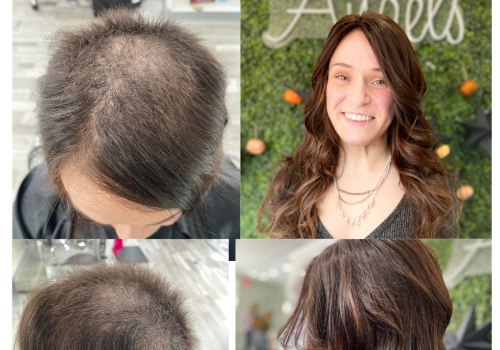
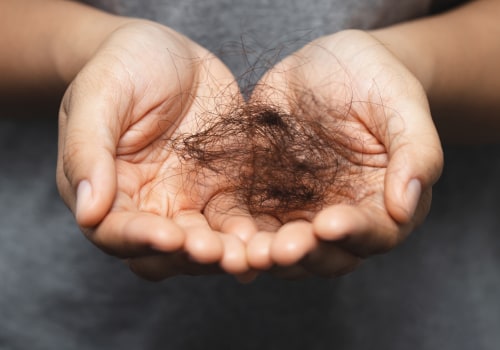
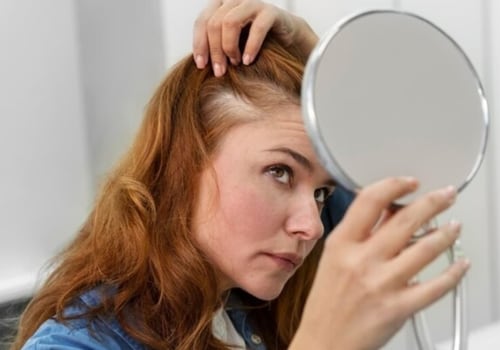
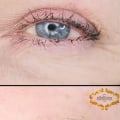
Trichotillomania, often referred to as a hair pulling disorder, is a mental health condition characterized by the compulsive urge to pull out one’s own hair. This behavior can affect any area of the body where hair grows, including the scalp, eyebrows, and eyelashes. Individuals with trichotillomania may experience significant distress and impairment in social, occupational, or other important areas of functioning due to their hair pulling habits. The disorder is classified as a type of obsessive-compulsive disorder (OCD) and can manifest in various ways, making it essential to understand its complexities.
The symptoms of trichotillomania extend beyond the physical act of hair pulling. Many individuals report feelings of tension or anxiety before pulling their hair, followed by a sense of relief or gratification afterward. This cycle can create a challenging dynamic where the individual feels trapped in their behavior, leading to feelings of shame and isolation. The visible consequences of hair pulling, such as bald patches or thinning hair, can further exacerbate these feelings, impacting self-esteem and social interactions.
Understanding trichotillomania is crucial for effective treatment and support. It is not merely a habit but a complex disorder that intertwines emotional and psychological factors. By recognizing the signs and symptoms early on, individuals can seek help and begin their journey toward recovery. Effective treatment options are available, including behavioral therapies like Habit Reversal Training (HRT), which focus on breaking the cycle of hair pulling and developing healthier coping mechanisms. Understanding trichotillomania is crucial for effective treatment and support. It is not merely a habit but a complex disorder that intertwines emotional and psychological factors. By recognizing the signs and symptoms early on, individuals can seek help and begin their journey toward recovery. Effective treatment options are available, including behavioral therapies like Habit Reversal Training (HRT), which focus on breaking the cycle of hair pulling and developing healthier coping mechanisms. are available, including behavioral therapies like Habit Reversal Training (HRT), which focus on breaking the cycle of hair pulling and developing healthier coping mechanisms. Understanding trichotillomania is crucial for effective treatment and support. It is not merely a habit but a complex disorder that intertwines emotional and psychological factors. By recognizing the signs and symptoms early on, individuals can seek help and begin their journey toward recovery. Effective treatment options are available, including behavioral therapies like Habit Reversal Training (HRT), which focus on breaking the cycle of hair pulling and developing healthier coping mechanisms.
As awareness grows around this often-misunderstood disorder, it becomes increasingly important to foster an environment of support and understanding for those affected by trichotillomania.
The Causes of Trichotillomania
Understanding the causes of trichotillomania is crucial for developing effective treatment strategies. This complex disorder is influenced by a combination of genetic, psychological, and environmental factors that can vary significantly from one individual to another.Genetic Factors
Research indicates that genetics may play a significant role in the development of trichotillomania. Studies have shown that individuals with a family history of this disorder are more likely to experience similar symptoms. This suggests that certain genetic predispositions may increase susceptibility to hair-pulling behaviors.Specific genes related to neurotransmitter regulation, particularly those affecting serotonin and dopamine levels, have been implicated in the disorder. These neurotransmitters are essential for mood regulation and impulse control, and imbalances can lead to compulsive behaviors.
Psychological Factors
Psychological factors also contribute significantly to trichotillomania. Many individuals with this disorder report experiencing high levels of anxiety, stress, or emotional distress prior to engaging in hair pulling. This behavior often serves as a coping mechanism, providing temporary relief from negative emotions.Additionally, conditions such as obsessive-compulsive disorder (OCD) and body-focused repetitive behaviors (BFRBs) frequently co-occur with trichotillomania, further complicating the psychological landscape surrounding the disorder.
Environmental Influences
The environment in which an individual grows up can also impact the likelihood of developing trichotillomania. Traumatic experiences, such as abuse or significant life changes, can trigger the onset of hair-pulling behaviors. Furthermore, if a child is raised in an environment where hair-pulling is normalized or modeled by caregivers, they may be more likely to adopt similar behaviors. Stressful life events, such as moving to a new city or experiencing academic pressure, can also act as catalysts for the disorder.In summary, trichotillomania arises from a complex interplay of genetic predispositions, psychological factors, and environmental influences.By understanding these causes, individuals and healthcare providers can better tailor treatment approaches to address the unique needs of those affected by this challenging disorder.
What is Habit Reversal Training (HRT)?
Habit Reversal Training (HRT) is a structured behavioral therapy designed to help individuals manage and reduce the compulsive behaviors associated with trichotillomania, particularly the urge to pull out hair. This therapeutic approach is grounded in the understanding that hair pulling is often a learned behavior that can be unlearned through targeted interventions.The core principle of HRT involves increasing awareness of the hair-pulling behavior and its triggers. By identifying specific situations, emotions, or thoughts that lead to hair pulling, individuals can begin to understand the patterns that contribute to their disorder. This heightened awareness is crucial, as it lays the foundation for implementing effective coping strategies.Key Components of HRT
- Awareness Training: This initial phase focuses on helping individuals recognize when and where they engage in hair pulling.
Keeping a detailed log of these instances can provide valuable insights into the frequency and context of the behavior.
- Competing Response Training: Once triggers are identified, individuals learn to replace hair pulling with alternative behaviors. These competing responses might include activities such as squeezing a stress ball, fidgeting with a small object, or engaging in deep breathing exercises. The goal is to redirect the impulse to pull hair into a more constructive action.
- Relaxation Techniques: Stress and anxiety are common triggers for trichotillomania. HRT incorporates relaxation strategies such as mindfulness meditation or progressive muscle relaxation to help individuals manage their emotional responses and reduce the urge to pull hair.
- Self-Monitoring: Individuals are encouraged to track their progress and reflect on their experiences.
This self-monitoring not only reinforces positive changes but also helps identify any setbacks or challenges that may arise during treatment.
How HRT Works: Techniques and Strategies
Habit Reversal Training (HRT) employs a variety of techniques and strategies designed to help individuals manage their trichotillomania effectively.By focusing on behavioral modification, HRT aims to replace the compulsive act of hair pulling with healthier alternatives. Below are some key techniques utilized in HRT:
Awareness Training
One of the foundational components of HRT is awareness training. This technique encourages individuals to become more conscious of their hair-pulling behaviors. Participants are often asked to keep a detailed log of their hair-pulling episodes, noting the time, location, emotional state, and any specific triggers that may have contributed to the urge.This self-monitoring process helps individuals identify patterns in their behavior and recognize the circumstances that lead to hair pulling.
Competing Response Training
Another critical aspect of HRT is competing response training. This strategy involves teaching individuals to replace the act of hair pulling with a competing response—an alternative behavior that is incompatible with hair pulling. For example, when an individual feels the urge to pull their hair, they might be encouraged to engage in activities such as:- Squeezing a stress ball
- Fidgeting with a small object
- Practicing deep breathing exercises
- Engaging in a hobby that keeps their hands busy, like knitting or drawing
Relaxation Techniques
In addition to awareness and competing response training, HRT often incorporates relaxation techniques. Stress and anxiety are common triggers for trichotillomania, so learning how to manage these feelings can be beneficial.Techniques such as progressive muscle relaxation, mindfulness meditation, or guided imagery can help individuals reduce tension and anxiety levels, making it easier to resist the urge to pull hair.
Self-Monitoring and Feedback
Self-monitoring is an ongoing process throughout HRT. Individuals are encouraged to track their progress and reflect on their experiences regularly. This may involve discussing successes and challenges with a therapist or support group. Feedback from these discussions can provide valuable insights into what strategies are working and where adjustments may be needed.Overall, the combination of awareness training, competing response training, relaxation techniques, and self-monitoring creates a comprehensive approach that empowers individuals with trichotillomania to take control of their behaviors.By actively engaging in these strategies, they can work towards reducing hair-pulling episodes and improving their overall quality of life.
Incorporating HRT with Other Treatment Options
While Habit Reversal Training (HRT) has proven to be an effective standalone treatment for trichotillomania, its efficacy can be significantly enhanced when combined with other therapeutic approaches. This comprehensive strategy not only addresses the behavioral aspects of hair pulling but also tackles the underlying psychological and physiological factors that contribute to the disorder.Combining HRT with Cognitive Behavioral Therapy (CBT)
Cognitive Behavioral Therapy (CBT) is a widely recognized treatment for various mental health disorders, including trichotillomania. By integrating HRT with CBT, individuals can benefit from a dual approach that focuses on both behavior modification and cognitive restructuring. CBT helps patients identify and challenge negative thought patterns that may trigger hair pulling, while HRT provides practical strategies to replace the pulling behavior with healthier alternatives.For instance, during therapy sessions, a patient might learn to recognize specific thoughts that lead to hair pulling, such as feelings of anxiety or boredom.With the guidance of a therapist, they can then employ HRT techniques—like engaging in a competing response or practicing mindfulness—to manage these urges effectively. This combination not only empowers individuals to take control of their behaviors but also fosters a deeper understanding of their emotional triggers.
Medication Options for Trichotillomania
In some cases, medication may be recommended as part of a comprehensive treatment plan for trichotillomania. Selective serotonin reuptake inhibitors (SSRIs) are commonly prescribed to help regulate mood and reduce compulsive behaviors. When used alongside HRT, these medications can enhance the overall effectiveness of treatment by addressing neurochemical imbalances that may contribute to hair pulling.It is essential for individuals considering medication to consult with a healthcare professional who specializes in treating trichotillomania.A tailored approach that combines medication with HRT can lead to improved outcomes, as patients may experience reduced urges and increased ability to implement behavioral strategies.
Holistic Treatment Approaches
In addition to traditional therapies like CBT and medication, many individuals find success by incorporating holistic treatment options into their recovery journey. Techniques such as mindfulness meditation, yoga, and acupuncture can complement HRT by promoting relaxation and reducing stress—two significant triggers for hair pulling.Mindfulness practices encourage individuals to become more aware of their thoughts and feelings without judgment, which can help them recognize the onset of urges before they escalate into hair pulling episodes. Similarly, engaging in physical activities like yoga not only provides an outlet for stress relief but also helps improve overall mental well-being.Ultimately, the most effective treatment plan for trichotillomania is one that is personalized and multifaceted. By combining HRT with CBT, medication, and holistic approaches, individuals can develop a robust toolkit for managing their condition and improving their quality of life.Support Systems for Individuals with Trichotillomania
Support systems play a crucial role in the treatment of trichotillomania, as they provide the emotional and practical assistance necessary for individuals to navigate their journey toward recovery.Engaging family members and participating in support groups can significantly enhance the effectiveness of Habit Reversal Training (HRT) and other therapeutic approaches.
Family Involvement in Treatment
- Understanding the Disorder: Family members who are educated about trichotillomania can better understand the challenges their loved ones face. This knowledge fosters empathy and patience, which are essential for providing effective support.
- Encouragement and Accountability: Involving family members in the treatment process can create a supportive environment where individuals feel encouraged to practice HRT techniques. Family members can help monitor progress and provide gentle reminders to engage in alternative behaviors when urges arise.
- Open Communication: Establishing open lines of communication allows individuals to express their feelings and struggles without fear of judgment. This emotional safety can reduce feelings of isolation often associated with trichotillomania.
The Role of Support Groups
- Shared Experiences: Support groups offer a platform for individuals with trichotillomania to share their experiences, challenges, and successes.
Hearing from others who understand the disorder can be incredibly validating and comforting.
- Resource Sharing: Members of support groups often exchange valuable resources, such as coping strategies, recommended therapists, or literature on trichotillomania. This collective knowledge can enhance individual treatment plans.
- Building Community: Being part of a support group helps individuals feel less alone in their struggle. The sense of community fosters connections that can lead to lasting friendships and mutual encouragement.
Challenges in Treating Trichotillomania with HRT
While Habit Reversal Training (HRT) has shown promise as a treatment for trichotillomania, individuals may encounter several challenges during the process.Understanding these obstacles can help patients and therapists work together to navigate them effectively.
Common Challenges in HRT
- Awareness and Recognition: One of the first hurdles is developing awareness of hair-pulling triggers. Many individuals may not recognize the situations or emotions that lead to their behavior. This lack of awareness can hinder the effectiveness of HRT, as recognizing triggers is essential for implementing alternative behaviors.
- Consistency in Practice: HRT requires consistent practice and commitment. Individuals may struggle to maintain motivation, especially during challenging times or when they experience setbacks.
The repetitive nature of practicing alternative behaviors can feel tedious, leading to frustration and potential abandonment of the treatment.
- Emotional Resistance: Hair pulling often serves as a coping mechanism for underlying emotional issues such as anxiety or stress. When individuals begin to confront these emotions through HRT, they may experience discomfort or resistance, making it difficult to engage fully in the treatment process.
- Social Stigma: The stigma surrounding trichotillomania can also pose a challenge. Individuals may feel embarrassed or ashamed about their condition, which can prevent them from seeking help or discussing their experiences openly with others, including therapists.
Overcoming Obstacles
To address these challenges effectively, several strategies can be employed:- Journaling Triggers: Keeping a journal to document instances of hair pulling can enhance awareness. By noting the context, emotions, and thoughts associated with each episode, individuals can identify patterns that lead to hair pulling.
- Setting Realistic Goals: Establishing small, achievable goals can help maintain motivation.
Instead of aiming for complete cessation of hair pulling immediately, individuals can focus on reducing frequency or duration over time.
- Therapeutic Support: Regular sessions with a therapist trained in HRT can provide essential support. Therapists can offer guidance on coping strategies and help individuals navigate emotional resistance while reinforcing positive behaviors.
- Building a Support Network: Involving family and friends in the treatment process can create a supportive environment. Educating loved ones about trichotillomania fosters understanding and encourages open communication about challenges faced during treatment.
Success Stories: Real-Life Experiences with HRT
Many individuals struggling with trichotillomania have found hope and healing through Habit Reversal Training (HRT). Their success stories not only highlight the effectiveness of this treatment but also provide inspiration for others facing similar challenges.Here are a few personal experiences that illustrate the transformative power of HRT.
Emily's Journey to Recovery
Emily, a 28-year-old graphic designer, had been pulling her hair since she was a teenager. After years of feeling ashamed and isolated, she decided to seek help. "I felt like I was in a never-ending cycle of pulling and regret," she recalls. After starting HRT, Emily learned to identify her triggers, which often included stress from work deadlines.By practicing alternative behaviors, such as squeezing a stress ball or taking deep breaths, she gradually reduced her hair-pulling episodes. "HRT gave me the tools to manage my urges and helped me regain control over my life," she shares.
Mark's Experience with Support
Mark, a 35-year-old teacher, struggled with trichotillomania for over a decade. He felt embarrassed about his condition and often wore hats to hide his bald patches. After joining a support group and starting HRT, Mark found a community that understood his struggles."HRT taught me not just about my triggers but also how to communicate my feelings with others," he explains. With the support of his therapist and peers, Mark learned to replace hair pulling with healthier coping mechanisms like journaling and mindfulness exercises. "I never thought I could feel this free from my compulsions," he adds.
Sara's Path to Self-Acceptance
Sara, a 22-year-old college student, had been dealing with trichotillomania since childhood. She often felt alone in her battle until she discovered HRT through her university's counseling center."The awareness training component was eye-opening for me," Sara says. By tracking her hair-pulling habits, she began to understand the emotional triggers behind them. With consistent practice of alternative behaviors and the encouragement of her therapist, Sara has significantly reduced her hair pulling. "HRT has not only helped me manage my urges but has also taught me to accept myself as I am," she reflects.These stories exemplify the potential of HRT in treating trichotillomania.
Each individual's journey is unique, but the common thread is the empowerment that comes from understanding their condition and learning effective coping strategies. For those struggling with this disorder, these testimonials serve as a reminder that recovery is possible and that support is available.
Conclusion: Moving Forward with Hope and Support
As we conclude our exploration of Habit Reversal Training (HRT) for trichotillomania, it is essential to reflect on the key insights and takeaways that can empower individuals facing this challenging disorder. Trichotillomania, characterized by the compulsive urge to pull out one’s hair, can significantly impact a person’s emotional and psychological well-being. However, with the right support and treatment strategies, recovery is not only possible but achievable.Understanding HRT
is crucial for anyone affected by trichotillomania.
This behavioral therapy focuses on identifying triggers and replacing hair-pulling behaviors with healthier alternatives. By fostering awareness and developing coping strategies, individuals can regain control over their actions and reduce the frequency of hair pulling. The personalized nature of HRT allows for tailored approaches that cater to each individual’s unique experiences and challenges.Moreover, it is important to recognize that HRT is most effective when combined with other treatment modalities. Integrating cognitive-behavioral therapy (CBT) or medication can enhance the overall effectiveness of HRT, addressing both the behavioral and psychological aspects of trichotillomania.
Support from family, friends, and support groups also plays a vital role in the recovery journey, providing encouragement and understanding during difficult times.In summary, while trichotillomania can feel isolating and overwhelming, there is hope for recovery. By actively seeking help through HRT and other supportive measures, individuals can embark on a path toward healing. It is essential to remember that progress may take time, but with persistence and the right resources, a fulfilling life free from the constraints of hair pulling is within reach.As you move forward, consider reaching out to a mental health professional who specializes in trichotillomania or behavioral therapies. Taking that first step towards treatment can be transformative, opening doors to new coping mechanisms and a supportive community.
Remember, you are not alone in this journey; help is available, and recovery is possible.