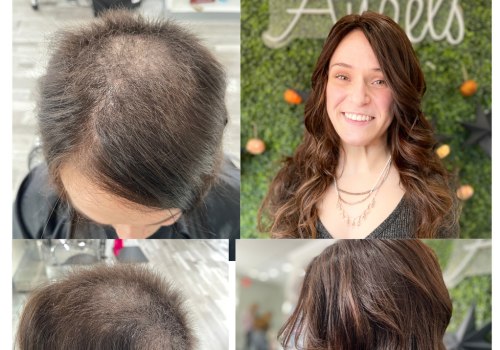
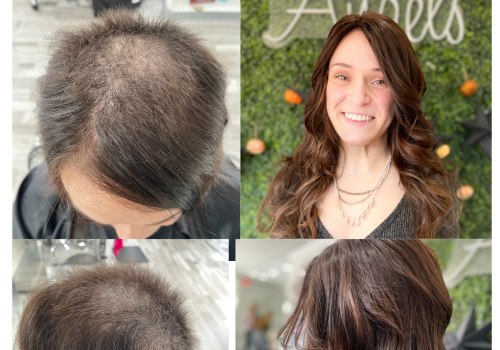
Trichotillomania, often referred to as a hair-pulling disorder, is a psychological condition that compels individuals to pull out their own hair, leading to noticeable hair loss and emotional distress. This disorder is classified under the umbrella of obsessive-compulsive and related disorders, highlighting its complex nature. Those affected may pull hair from various parts of their body, including the scalp, eyebrows, and eyelashes, resulting in significant physical and psychological consequences. The act of hair pulling can serve as a coping mechanism for stress or anxiety, but it often exacerbates feelings of shame and isolation.The symptoms of trichotillomania extend beyond the physical act of hair pulling.
Individuals may experience intense urges to pull hair, which can be triggered by various emotional states such as boredom, tension, or frustration. This compulsive behavior can lead to noticeable bald patches and skin irritation, further impacting self-esteem and body image. Many individuals with trichotillomania report feeling a temporary sense of relief or gratification during the act of pulling, but this is often followed by guilt and regret. Understanding these symptoms is crucial for recognizing the disorder and seeking appropriate help.The psychological impact of trichotillomania can be profound.
Many individuals struggle with feelings of embarrassment and low self-worth due to their condition. The social stigma surrounding mental health issues can make it difficult for those affected to discuss their experiences openly, leading to further isolation. Additionally, the disorder can interfere with daily activities, relationships, and overall quality of life. As we delve deeper into the complexities of trichotillomania, it becomes essential to explore how factors such as age and gender influence its development and manifestation.
The Basics of Trichotillomania
Trichotillomania, often referred to as hair-pulling disorder, is a psychological condition that compels individuals to pull out their own hair, leading to noticeable hair loss and emotional distress.This disorder is classified as a type of obsessive-compulsive disorder (OCD) and can significantly impact a person's quality of life.
Symptoms of Trichotillomania
- Compulsive Hair Pulling: The primary symptom is the recurrent urge to pull out hair from various parts of the body, including the scalp, eyebrows, and eyelashes.
- Hair Loss: This behavior results in visible bald patches or thinning hair, which can lead to embarrassment and social withdrawal.
- Preoccupation with Hair: Individuals may spend considerable time thinking about hair pulling or engaging in related behaviors, such as examining or playing with pulled hair.
- Emotional Distress: Many people with trichotillomania experience feelings of shame, guilt, or frustration regarding their inability to control the urge.
- Coping Mechanism: Hair pulling may serve as a way to cope with stress, anxiety, or boredom, providing temporary relief from negative emotions.
Causes of Trichotillomania
The exact causes of trichotillomania remain unclear; however, several factors may contribute to its development:
- Genetic Factors: There is evidence suggesting that trichotillomania may run in families, indicating a potential genetic predisposition.
- Environmental Influences: Stressful life events, trauma, or significant changes in one’s environment can trigger the onset of symptoms.
- Psychological Factors: Individuals with anxiety disorders or other mental health conditions may be more susceptible to developing trichotillomania.
- Neurological Factors: Some research suggests that imbalances in brain chemicals related to impulse control may play a role in the disorder.
Diagnosis of Trichotillomania
A diagnosis of trichotillomania typically involves a comprehensive evaluation by a mental health professional. This assessment may include:
- A detailed history of the individual’s hair-pulling behavior and its impact on daily life.
- An exploration of any co-occurring mental health conditions.
- The use of standardized diagnostic criteria from the DSM-5 (Diagnostic and Statistical Manual of Mental Disorders).
Age and Its Impact on Trichotillomania
Understanding the impact of age on trichotillomania is essential for recognizing how this disorder manifests across different life stages. The onset of trichotillomania typically occurs during childhood or adolescence, with many individuals first experiencing symptoms between the ages of 10 and 13. This early onset can be particularly challenging as it coincides with significant developmental changes, both physically and emotionally.Trichotillomania in Children
In children, trichotillomania often serves as a coping mechanism for managing stress, anxiety, or emotional distress.
Young individuals may not fully understand their behavior, which can lead to feelings of shame or embarrassment. Parents and caregivers should be vigilant for signs such as:
- Frequent hair pulling, resulting in noticeable bald patches.
- Increased irritability or anxiety when unable to pull hair.
- Withdrawal from social activities or changes in behavior.
Trichotillomania in Adults
As individuals transition into adulthood, the manifestation of trichotillomania may evolve.
Adults may experience hair pulling in more specific areas, such as the scalp, eyebrows, or eyelashes. The triggers for this behavior can also shift; while children may pull hair in response to stressors related to school or family dynamics, adults often cite work-related pressures, relationship issues, or significant life changes as catalysts for their symptoms.Moreover, hormonal fluctuations during significant life events—such as pregnancy or menopause—can exacerbate symptoms in women. Understanding these age-related factors is vital for tailoring effective treatment plans that address the unique challenges faced by adults with trichotillomania.
The Evolution of Symptoms
The symptoms of trichotillomania can change over time. For some individuals, hair pulling may become more severe with age, while others might find that their symptoms diminish as they develop better coping mechanisms.
Recognizing these patterns is essential for healthcare providers to offer appropriate support and interventions throughout a person's life.In conclusion, age plays a significant role in the onset and manifestation of trichotillomania. By understanding how this disorder affects children and adults differently, we can better support those affected and promote effective treatment strategies tailored to their specific needs.
Trichotillomania in Children and Adolescents
Trichotillomania, often referred to as hair-pulling disorder, can emerge in children and adolescents, presenting unique challenges for both the affected individuals and their families. Understanding how this condition manifests in younger populations is crucial for early intervention and effective treatment.Signs of Trichotillomania in Children and Teens
- Hair Pulling Behavior: The most apparent sign is the compulsive pulling of hair from various parts of the body, including the scalp, eyebrows, and eyelashes. Parents may notice bald patches or thinning hair.
- Increased Anxiety or Stress: Children may exhibit signs of anxiety or stress, which can trigger hair-pulling episodes.
This behavior often serves as a coping mechanism for emotional distress.
- Social Withdrawal: Adolescents may become withdrawn or avoid social situations due to embarrassment about their appearance or fear of judgment from peers.
- Physical Damage: Frequent pulling can lead to noticeable physical damage, such as skin irritation or infections in the areas where hair is pulled.
Common Triggers
Several factors can trigger trichotillomania in children and adolescents:
- Stressful Life Events: Changes such as moving to a new school, parental divorce, or bullying can increase anxiety levels, leading to hair-pulling behaviors.
- Emotional Distress: Feelings of sadness, frustration, or boredom may prompt children to engage in hair pulling as a way to self-soothe.
- Peer Pressure: Adolescents may feel pressured to conform to certain beauty standards, which can exacerbate feelings of inadequacy and lead to compulsive behaviors.
Treatment Options for Adolescent Trichotillomania
Effective treatment for trichotillomania in children and adolescents often involves a combination of therapeutic approaches:
- Cognitive Behavioral Therapy (CBT): This evidence-based therapy helps individuals identify triggers and develop healthier coping mechanisms. CBT has been shown to be particularly effective in reducing hair-pulling behaviors.
- Habit Reversal Training: This technique teaches individuals to recognize the urge to pull hair and replace it with a competing response, such as squeezing a stress ball or engaging in another activity.
- Family Therapy: Involving family members in therapy can provide support and understanding, helping to create a nurturing environment that encourages recovery.
- Support Groups: Connecting with peers who share similar experiences can help adolescents feel less isolated and more understood. Support groups provide a safe space for sharing challenges and successes.
Trichotillomania in Adults: Challenges and Changes
As individuals transition into adulthood, the manifestation of trichotillomania often evolves, presenting unique challenges that differ significantly from those experienced in childhood or adolescence.Adults may find themselves grappling with a range of stressors that can exacerbate their symptoms, including work-related pressures, relationship dynamics, and the responsibilities of daily life.Common symptoms of trichotillomania in adults can include:
- Localized hair pulling: Adults may focus on specific areas such as the scalp, eyebrows, or eyelashes, leading to noticeable bald patches or thinning hair.
- Increased anxiety: The compulsive behavior often intensifies during periods of heightened stress or emotional turmoil.
- Physical damage: Adults may experience skin irritation or infections due to repeated pulling, which can lead to further psychological distress.
- Social withdrawal: Many adults with trichotillomania may avoid social situations due to embarrassment about their appearance, which can lead to isolation.
- Mindfulness and relaxation techniques: Practices such as meditation, yoga, or deep-breathing exercises can help reduce anxiety and the urge to pull hair.
- Cognitive Behavioral Therapy (CBT): This therapeutic approach focuses on identifying triggers and developing healthier coping strategies to replace hair-pulling behaviors.
- Support groups: Connecting with others who understand the challenges of trichotillomania can provide emotional support and practical advice.
- Behavioral interventions: Techniques such as habit reversal training can help individuals become more aware of their pulling habits and develop alternative responses.
By understanding the symptoms, implementing coping strategies, and seeking appropriate treatment, adults can navigate their journey toward recovery with greater resilience and support.
The Role of Gender in Trichotillomania
Gender plays a pivotal role in the understanding and treatment of trichotillomania, with significant differences observed between males and females in terms of prevalence, symptom severity, and treatment-seeking behaviors. Research indicates that trichotillomania is more frequently diagnosed in females, with estimates suggesting that women are affected at a rate of approximately 10:1 compared to men. This disparity raises important questions about the underlying factors contributing to these gender differences.One of the primary reasons for the higher prevalence of trichotillomania in females may be linked to societal pressures regarding appearance. Women often face intense cultural expectations to maintain a certain standard of beauty, which can lead to increased anxiety and stress.These pressures may exacerbate the compulsive behaviors associated with trichotillomania, as individuals attempt to cope with their emotional distress through hair pulling.Moreover, studies have shown that females tend to experience more severe symptoms of trichotillomania than their male counterparts. This could be attributed to hormonal fluctuations that women experience throughout their lives, particularly during puberty, menstruation, pregnancy, and menopause. These hormonal changes can influence mood and stress levels, potentially intensifying the urge to engage in hair-pulling behaviors.Interestingly, while females are more likely to seek help for their symptoms, males often underreport their experiences or avoid treatment altogether. This reluctance may stem from traditional gender norms that discourage men from expressing vulnerability or seeking mental health support.
As a result, many males may suffer in silence, leading to untreated symptoms and potentially worsening conditions.In terms of treatment approaches, it is essential to consider gender-specific factors when developing therapeutic strategies for trichotillomania. For instance, cognitive-behavioral therapy (CBT) has been shown to be effective for both genders; however, tailoring interventions to address the unique societal pressures faced by women or the stigma experienced by men can enhance treatment outcomes. Additionally, support groups that focus on gender-specific experiences may provide a safe space for individuals to share their struggles and coping strategies.In conclusion, understanding the role of gender in trichotillomania is crucial for developing effective prevention and treatment strategies. By recognizing the disparities in prevalence and symptom severity between males and females, healthcare providers can better address the unique needs of each gender and promote more effective recovery pathways.
Coping Mechanisms Across Age and Gender
Understanding the unique challenges faced by individuals with trichotillomania across different age groups and genders is essential for developing effective coping mechanisms.Tailoring strategies to meet the specific needs of each demographic can significantly enhance treatment outcomes.
Coping Strategies for Children and Adolescents
For younger individuals, particularly children and adolescents, coping mechanisms often revolve around education and support. Parents and caregivers play a crucial role in this process. Here are some effective strategies:- Open Communication: Encourage children to express their feelings and experiences related to hair pulling. This can help them feel understood and less isolated.
- Stress Management Techniques: Introduce relaxation exercises such as deep breathing, mindfulness, or yoga to help manage anxiety that may trigger hair pulling.
- Behavioral Interventions: Implementing habit reversal training can be beneficial.
This involves teaching children to recognize the urge to pull hair and replace it with a competing response, such as squeezing a stress ball.
Coping Mechanisms for Adults
Adults dealing with trichotillomania may face different triggers, often linked to stressors in their personal or professional lives. Here are some tailored strategies:- Therapeutic Support: Engaging in cognitive-behavioral therapy (CBT) can help adults identify negative thought patterns and develop healthier coping mechanisms.
- Support Groups: Joining support groups can provide a sense of community and shared experience, which is vital for emotional support.
- Mindfulness Practices: Techniques such as meditation or journaling can help adults become more aware of their triggers and reduce impulsive behaviors.
Addressing Gender-Specific Needs
The impact of gender on trichotillomania cannot be overlooked. Women may experience societal pressures that exacerbate their symptoms, while men might struggle with stigma around seeking help. Here are some gender-sensitive approaches:- Empowerment Programs for Women: Programs that focus on self-esteem and body image can be particularly beneficial for women facing societal pressures related to appearance.
- Encouraging Men to Seek Help: Creating awareness campaigns that normalize mental health discussions among men can encourage them to seek treatment without fear of judgment.
Personalized treatment plans that consider these factors can lead to improved outcomes and a better quality of life for those affected by this disorder.
Seeking Help: Treatment Options for Trichotillomania
For individuals grappling with trichotillomania, seeking help is a crucial step towards recovery. Fortunately, there are various treatment options available that can significantly aid in managing the symptoms and underlying causes of this hair-pulling disorder.Therapeutic Approaches
One of the most effective ways to address trichotillomania is through therapy. Several therapeutic modalities have shown promise:- Cognitive Behavioral Therapy (CBT) : This is the most widely used therapeutic approach for trichotillomania. CBT focuses on identifying and changing negative thought patterns and behaviors associated with hair pulling.
It often includes techniques such as habit reversal training, which helps individuals become more aware of their pulling behavior and develop alternative coping strategies.
- Acceptance and Commitment Therapy (ACT) : ACT encourages individuals to accept their thoughts and feelings rather than fighting against them. This approach helps patients commit to taking action that aligns with their values, even in the presence of urges to pull hair.
- Supportive Therapy : This type of therapy provides emotional support and guidance, helping individuals feel understood and less isolated in their struggle with trichotillomania.
Medication Options
While therapy is often the first line of treatment, some individuals may benefit from medication. Although no medications are specifically approved for trichotillomania, certain types have been found to help manage symptoms:- Selective Serotonin Reuptake Inhibitors (SSRIs) : These antidepressants can help alleviate symptoms of anxiety and depression that may accompany trichotillomania. Some studies suggest that SSRIs may reduce hair-pulling behaviors in certain individuals.
- N-acetylcysteine (NAC) : This supplement has shown promise in reducing hair-pulling urges in some studies.
NAC is thought to influence glutamate levels in the brain, which may play a role in compulsive behaviors.
- Other Medications : In some cases, mood stabilizers or antipsychotic medications may be prescribed if other treatments are ineffective.
Support Groups and Community Resources
In addition to professional treatment, support groups can provide invaluable assistance for those dealing with trichotillomania. Connecting with others who share similar experiences can foster a sense of community and understanding. Many organizations offer online forums, local meetups, and resources for individuals seeking support.Ultimately, the journey to recovery from trichotillomania is unique for each individual. By exploring various treatment options—including therapy, medication, and support groups—those affected can find a combination that works best for them, paving the way towards healing and improved quality of life.Frequently Asked Questions about Trichotillomania
Trichotillomania, often referred to as hair-pulling disorder, raises numerous questions among those affected and their loved ones.This FAQ section aims to clarify common inquiries, thereby fostering a better understanding of the condition and helping to reduce the stigma associated with it.
What is trichotillomania?
Trichotillomania is a mental health disorder characterized by the compulsive urge to pull out one’s own hair, leading to noticeable hair loss. This behavior can affect various areas of the body, including the scalp, eyebrows, and eyelashes. It is classified as a type of obsessive-compulsive disorder (OCD) and can significantly impact an individual’s emotional and psychological well-being.Who is most affected by trichotillomania?
While trichotillomania can affect individuals of any age or gender, research indicates that it is more prevalent among females, particularly during adolescence. The onset typically occurs during puberty, but it can also manifest later in life.Understanding these demographics can help in early identification and intervention.
What are the common triggers for hair-pulling?
- Stress: Many individuals report that stress or anxiety triggers their hair-pulling episodes.
- Boredom: Some may pull hair as a way to cope with feelings of boredom or restlessness.
- Emotional distress: Feelings of sadness or frustration can lead to increased urges to pull hair.
How can trichotillomania be treated?
Treatment for trichotillomania often involves a combination of therapy and support. Cognitive-behavioral therapy (CBT) has shown effectiveness in helping individuals identify triggers and develop healthier coping mechanisms. Additionally, support groups can provide a sense of community and understanding among those facing similar challenges.Is there a cure for trichotillomania?
Currently, there is no definitive cure for trichotillomania; however, many individuals find relief through treatment and support. With appropriate interventions, many people learn to manage their symptoms effectively and lead fulfilling lives.By addressing these frequently asked questions about trichotillomania, we hope to enhance understanding of this complex disorder and encourage those affected to seek help without fear of stigma.Conclusion: The Importance of Understanding Age and Gender in Trichotillomania
In summary, understanding the intricate relationship between age, gender, and trichotillomania is essential for effective management and treatment of this complex disorder.Throughout this article, we have explored how these factors influence the onset, manifestation, and severity of trichotillomania, shedding light on the unique challenges faced by individuals across different life stages.Recognizing that trichotillomania often emerges during puberty or early adolescence highlights the need for early intervention. Parents and caregivers must be vigilant in identifying signs of hair-pulling behaviors in children and adolescents. By addressing these behaviors promptly, they can help mitigate the potential long-term effects on self-esteem and mental health.Moreover, the impact of gender cannot be overlooked. With research indicating that females are more frequently affected by trichotillomania than males, it is crucial to consider the societal pressures and expectations that may exacerbate symptoms in women.
Understanding these gender-specific factors can lead to more tailored treatment approaches that address the unique needs of each individual.As individuals transition into adulthood and later stages of life, the triggers and manifestations of trichotillomania may evolve. Stressors related to work, relationships, and significant life changes can all contribute to the persistence or resurgence of hair-pulling behaviors. Therefore, ongoing support and adaptive coping strategies are vital for adults managing this condition.In conclusion, a comprehensive understanding of age and gender dynamics in trichotillomania not only enhances awareness but also informs better treatment strategies. By fostering an environment where individuals feel supported in seeking help, we can improve outcomes for those affected by this disorder.
Ultimately, recognizing these factors is a critical step toward developing effective prevention and intervention strategies that cater to the diverse experiences of individuals living with trichotillomania.