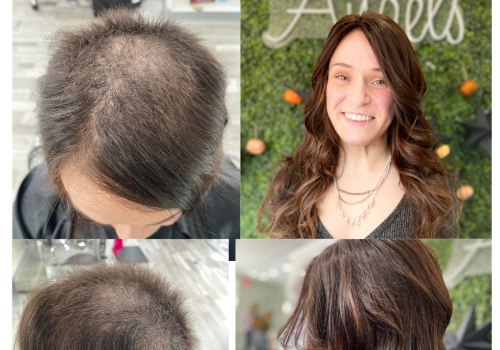
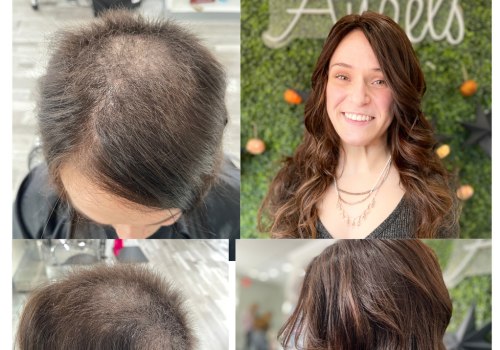
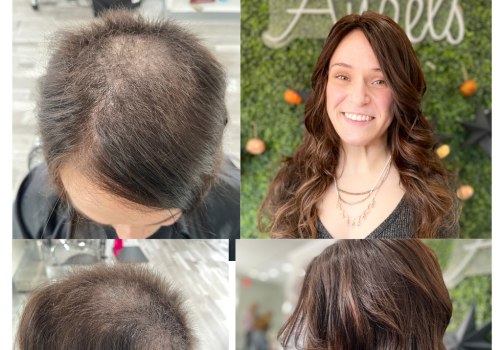
Trichotillomania, often referred to as a hair-pulling disorder, is a complex psychological condition that compels individuals to pull out their hair, leading to noticeable hair loss and emotional distress. This disorder is classified as a mental health condition and is recognized in the Diagnostic and Statistical Manual of Mental Disorders (DSM-5). The prevalence of trichotillomania is estimated to affect approximately 1-2% of the population, with onset typically occurring during childhood or adolescence. However, many individuals may not seek help or receive a diagnosis until adulthood, which can exacerbate the emotional and psychological toll of the disorder. Understanding the various factors that contribute to trichotillomania is crucial for effective treatment and management.
Among these factors, environmental influences play a significant role in the development and exacerbation of the condition. Stressful life events, trauma, and even familial dynamics can trigger or worsen hair-pulling behaviors. For instance, individuals may find themselves resorting to hair-pulling as a coping mechanism during periods of heightened anxiety or emotional turmoil. Recognizing these environmental triggers is essential for both individuals affected by trichotillomania and their support systems. Moreover, the relationship between mental health and environmental factors cannot be overstated. Among these factors, environmental influences play a significant role in the development and exacerbation of the condition. Stressful life events, trauma, and even familial dynamics can trigger or worsen hair-pulling behaviors. For instance, individuals may find themselves resorting to hair-pulling as a coping mechanism during periods of heightened anxiety or emotional turmoil. Recognizing these environmental triggers is essential for both individuals affected by trichotillomania and their support systems. Moreover, the relationship between mental health and environmental factors cannot be overstated.
The interplay between an individual’s psychological state and their surroundings can create a cycle that perpetuates the disorder. By exploring how external circumstances influence trichotillomania, we can better understand its complexities and work towards developing comprehensive treatment strategies that address both the psychological and environmental aspects of this challenging condition.
What is Trichotillomania?
Trichotillomania, often referred to as hair-pulling disorder, is a mental health condition that compels individuals to pull out their own hair, leading to noticeable hair loss. This behavior can occur on any part of the body where hair grows, including the scalp, eyebrows, and eyelashes. The act of pulling hair is typically accompanied by a sense of tension before the pulling occurs and a feeling of relief or gratification afterward.Understanding trichotillomania is essential for recognizing its impact on those affected and for developing effective treatment strategies.
Symptoms of Trichotillomania
- Hair Pulling: The most prominent symptom is the recurrent pulling of hair, which may be done consciously or unconsciously.
- Hair Loss: This can manifest as bald patches or thinning areas on the scalp or other body parts.
- Preoccupation with Hair: Individuals may spend significant time thinking about hair pulling or engaging in related behaviors, such as examining pulled hair.
- Emotional Distress: Many individuals experience feelings of shame, guilt, or embarrassment regarding their hair-pulling habits.
- Attempts to Stop: Despite wanting to stop or reduce the behavior, individuals often find it challenging to do so.
Causes of Trichotillomania
The exact causes of trichotillomania remain unclear; however, several factors may contribute to its development:
- Genetic Factors: There is evidence suggesting that trichotillomania can run in families, indicating a potential genetic predisposition.
- Environmental Influences: Stressful life events, trauma, or significant changes in one’s environment can trigger or exacerbate symptoms.
- Psychological Factors: Conditions such as anxiety and depression are commonly associated with trichotillomania, suggesting that underlying mental health issues may play a role.
- Cognitive Behavioral Patterns: Certain thought patterns and behaviors may reinforce the urge to pull hair as a coping mechanism for emotional distress.
The Impact of Environmental Factors on Trichotillomania
Understanding the environmental factors that contribute to trichotillomania is crucial for effective management and treatment of this complex condition. These factors can significantly influence both the onset and severity of hair-pulling behaviors, making it essential for individuals and their support systems to recognize and address them.One of the most prominent environmental triggers for trichotillomania is stress. Many individuals report that their urges to pull hair intensify during periods of heightened stress or emotional turmoil.This connection can be attributed to the fact that hair-pulling often serves as a coping mechanism, providing temporary relief from anxiety or overwhelming feelings. Common sources of stress include:
- Work-related pressures
- Academic challenges
- Relationship conflicts
- Financial difficulties
- Life transitions, such as moving or changing jobs
Research indicates that individuals who have experienced traumatic events are at a higher risk for developing trichotillomania. Trauma can manifest in various forms, including:
- Emotional abuse
- Physical abuse
- Neglect
- Witnessing violence
- Experiencing significant loss or grief
By identifying specific triggers and implementing coping strategies, individuals can take proactive steps toward managing their condition and improving their overall quality of life.
Stress as a Trigger for Trichotillomania
Stress is a profound trigger for individuals suffering from trichotillomania, often exacerbating the urge to engage in hair-pulling behaviors. Many people with this condition report that their symptoms intensify during periods of heightened stress, whether it stems from personal relationships, work pressures, or significant life changes. Understanding the connection between stress and trichotillomania is crucial for developing effective coping strategies.When faced with stress, individuals may resort to hair-pulling as a means of self-soothing or distraction. This behavior can create a temporary sense of relief, but it ultimately leads to feelings of shame and guilt, perpetuating a cycle of stress and hair-pulling.Recognizing this pattern is the first step toward managing both stress and trichotillomania.
Identifying Stress Triggers
To effectively manage stress related to trichotillomania, it is essential to identify specific triggers. Common sources of stress include:- Work-related pressures: Deadlines, performance evaluations, and workplace dynamics can contribute significantly to stress levels.
- Personal relationships: Conflicts with family members, friends, or partners can create emotional turmoil.
- Life transitions: Events such as moving, changing jobs, or experiencing loss can be particularly stressful.
Coping Strategies for Managing Stress
Once triggers are identified, individuals can implement various coping strategies to mitigate stress and reduce the urge to pull hair. Here are some effective techniques:- Mindfulness and Meditation: Practicing mindfulness helps individuals stay present and aware of their thoughts and feelings without judgment. Techniques such as deep breathing or guided meditation can significantly reduce anxiety levels.
- Physical Activity: Engaging in regular exercise releases endorphins, which can improve mood and reduce stress.
Activities like yoga or walking can be particularly beneficial.
- Journaling: Writing about feelings and experiences can provide an outlet for emotions and help clarify thoughts. This practice can also serve as a tool for tracking triggers over time.
- Support Networks: Connecting with friends, family, or support groups allows individuals to share their experiences and receive encouragement. Knowing that others understand their struggles can alleviate feelings of isolation.
By addressing the underlying stressors and implementing healthy coping mechanisms, individuals can take significant steps toward regaining control over their behaviors.
The Connection Between Trauma and Trichotillomania
Trauma plays a significant role in the development and exacerbation of trichotillomania, a condition characterized by the compulsive urge to pull out one’s hair. Understanding this connection is crucial for effective treatment and management of the disorder. Individuals who have experienced trauma often face heightened levels of anxiety, stress, and emotional dysregulation, which can trigger hair-pulling behaviors as a coping mechanism.Research indicates that a substantial percentage of individuals with trichotillomania report a history of trauma or abuse. This correlation suggests that traumatic experiences can create an environment where hair-pulling becomes a maladaptive strategy for managing overwhelming emotions.For many, the act of pulling hair may provide temporary relief from distressing feelings, creating a cycle that is difficult to break.Trauma can manifest in various forms, including:
- Physical abuse: Experiencing or witnessing physical harm can lead to feelings of powerlessness and anxiety.
- Emotional abuse: Constant criticism or emotional neglect can erode self-esteem and contribute to feelings of inadequacy.
- Neglect: Lack of emotional support during formative years can hinder healthy coping mechanisms.
- Loss or grief: The death of a loved one or significant loss can trigger profound emotional pain.
- Cognitive-Behavioral Therapy (CBT): This therapy helps individuals identify and modify negative thought patterns associated with both trauma and hair-pulling behaviors.
- Eye Movement Desensitization and Reprocessing (EMDR): EMDR is particularly effective for processing traumatic memories and reducing their emotional charge.
- Mindfulness practices: Techniques such as meditation and deep breathing can help individuals manage anxiety and reduce the urge to pull hair.
Family History and Genetic Factors in Trichotillomania
Understanding the role of family history and genetic factors in trichotillomania is crucial for recognizing the potential risk of developing this hair-pulling disorder.Research indicates that individuals with a family member who has experienced trichotillomania are at a higher risk of developing the condition themselves. This suggests that there may be hereditary aspects that contribute to the onset of this disorder.Genetic predisposition can manifest in various ways, influencing not only the likelihood of developing trichotillomania but also the severity of symptoms. Studies have shown that certain genetic markers may be associated with compulsive behaviors, including hair-pulling. These markers can affect neurotransmitter systems in the brain, particularly those involving serotonin and dopamine, which are known to regulate mood and impulse control.Moreover, family dynamics and environmental influences play a significant role in shaping an individual's response to stress and anxiety, which are common triggers for trichotillomania.
For instance, if a child grows up in a household where mental health issues are prevalent, they may be more susceptible to developing similar conditions due to both genetic and environmental factors.Identifying a family history of trichotillomania or related disorders can be an essential step in early intervention. Early identification allows for timely support and treatment options, which can significantly improve outcomes. Families should be encouraged to discuss mental health openly, as this can help reduce stigma and promote understanding.In conclusion, while genetic factors play a significant role in the development of trichotillomania, it is essential to consider the interplay between genetics and environmental influences. By understanding these hereditary aspects, individuals and families can better navigate the complexities of this disorder and seek appropriate interventions when necessary.
Chemical Imbalances and Medications Related to Trichotillomania
Understanding the role of chemical imbalances in the brain is crucial for comprehending trichotillomania, a condition characterized by the compulsive urge to pull out one’s hair.Research indicates that individuals with trichotillomania may experience alterations in neurotransmitter levels, particularly serotonin and dopamine, which are essential for regulating mood and behavior.
Chemical Imbalances and Their Impact
Serotonin is a neurotransmitter that plays a significant role in mood stabilization, anxiety regulation, and overall emotional well-being. Low levels of serotonin have been linked to various psychiatric disorders, including anxiety and depression, which often co-occur with trichotillomania. Similarly, dopamine is associated with the brain's reward system; imbalances can lead to compulsive behaviors as individuals seek relief or pleasure through hair-pulling.Studies suggest that individuals with trichotillomania may have lower serotonin levels, which could explain the heightened anxiety and stress that often trigger hair-pulling episodes. Understanding these chemical dynamics can help in developing targeted treatment strategies.
Medications for Trichotillomania
When it comes to treating trichotillomania, medications can play a vital role in addressing these chemical imbalances.
Selective serotonin reuptake inhibitors (SSRIs), commonly prescribed for depression and anxiety disorders, have shown promise in reducing hair-pulling behaviors. By increasing serotonin levels in the brain, SSRIs can help alleviate some of the underlying anxiety that contributes to trichotillomania.Some SSRIs that have been studied for their effectiveness in treating trichotillomania include:
- Fluoxetine (Prozac)
- Sertraline (Zoloft)
- Citalopram (Celexa)
The Role of Therapy
Cognitive-behavioral therapy (CBT) is frequently recommended in conjunction with medication for managing trichotillomania.
CBT helps individuals identify triggers and develop coping strategies to manage urges effectively. This combination of medication and therapy can provide a more holistic approach to treatment, addressing both the chemical imbalances and the behavioral aspects of the disorder.In conclusion, understanding the relationship between chemical imbalances and medications is vital for those affected by trichotillomania. By addressing these factors through appropriate medical intervention and therapeutic support, individuals can work towards managing their symptoms more effectively.
Effective Treatment Options for Trichotillomania
When it comes to managing trichotillomania, a multifaceted approach is often the most effective. This condition, characterized by the compulsive urge to pull out one’s hair, can significantly impact an individual’s quality of life.Fortunately, various treatment options are available that can help individuals regain control over their behaviors and improve their overall well-being.
Therapeutic Approaches
One of the most widely recommended treatments for trichotillomania is cognitive-behavioral therapy (CBT). This form of therapy focuses on identifying and changing negative thought patterns and behaviors associated with hair-pulling. Through CBT, individuals learn to recognize triggers that lead to hair-pulling episodes and develop healthier coping mechanisms. Techniques such as habit reversal training (HRT) are often integrated into CBT, where patients are taught to replace hair-pulling with alternative behaviors.Another therapeutic option is acceptance and commitment therapy (ACT) , which encourages individuals to accept their thoughts and feelings rather than fighting against them.This approach helps patients commit to taking action in line with their values, even in the presence of urges to pull hair.
Medication Options
In some cases, medication may be prescribed to help manage symptoms associated with trichotillomania. Selective serotonin reuptake inhibitors (SSRIs) , commonly used to treat anxiety and depression, have shown promise in reducing hair-pulling behaviors for some individuals. Other medications, such as n-acetylcysteine , an amino acid supplement, have also been studied for their potential benefits in treating trichotillomania.The Role of Support Groups
In addition to therapy and medication, joining a support group can be incredibly beneficial for those dealing with trichotillomania. These groups provide a safe space for individuals to share their experiences, challenges, and successes with others who understand what they are going through.Support groups can foster a sense of community and belonging, which is essential for emotional healing.Moreover, support groups often offer practical strategies for managing urges and coping with stressors that may trigger hair-pulling episodes. Many participants find that hearing others’ stories helps them feel less isolated and more empowered in their journey toward recovery.In conclusion, effective treatment for trichotillomania typically involves a combination of therapy, medication, and support from peers. By exploring these options, individuals can find a personalized approach that works best for them, ultimately leading to improved management of their condition and enhanced quality of life.
Coping Strategies for Individuals with Trichotillomania
Managing the urges associated with trichotillomania can be challenging, but there are several effective coping strategies that individuals can adopt to help mitigate hair-pulling behaviors. These strategies focus on promoting mindfulness, emotional regulation, and self-awareness, which are crucial for managing this condition.Mindfulness Techniques
Mindfulness involves being present in the moment and acknowledging one’s thoughts and feelings without judgment.Practicing mindfulness can significantly reduce the frequency of hair-pulling episodes. Here are some techniques to consider:
- Breathing Exercises: Deep breathing can help calm the mind and body. Try inhaling deeply through your nose for a count of four, holding for four, and exhaling through your mouth for a count of four. Repeat this cycle several times to center yourself.
- Body Scanning: This technique involves mentally scanning your body from head to toe, paying attention to areas of tension or discomfort.
Acknowledging these sensations can help you become more aware of your physical state and reduce the urge to pull hair.
- Meditation: Regular meditation practice can enhance self-awareness and emotional regulation. Start with just a few minutes each day, focusing on your breath or a specific mantra to help clear your mind.
Emotional Regulation Strategies
Understanding and managing emotions is vital for individuals with trichotillomania. Here are some self-help techniques that can aid in emotional regulation:- Journaling: Keeping a journal can help you track your emotions and identify triggers for hair-pulling. Write down your feelings, situations that provoke urges, and any coping strategies that worked or didn’t work.
- Identifying Triggers: Take note of specific situations or feelings that lead to hair-pulling urges.
By recognizing these triggers, you can develop proactive strategies to avoid or cope with them more effectively.
- Positive Affirmations: Use positive affirmations to combat negative thoughts associated with trichotillomania. Phrases like "I am in control" or "I choose healthy coping mechanisms" can reinforce a positive mindset.
Physical Alternatives
Sometimes, redirecting the physical urge to pull hair can be beneficial. Consider these alternatives:- Fidget Tools: Use fidget spinners, stress balls, or textured fabrics to keep your hands busy when you feel the urge to pull hair.
- Hair Accessories: Wearing hats, headbands, or scarves can serve as a physical barrier against pulling while also allowing you to express your style.
- Engaging Activities: Find hobbies that require hand-eye coordination, such as knitting, painting, or playing a musical instrument. These activities can distract you from urges while providing a creative outlet.
It’s essential to remember that progress may be gradual, and seeking support from mental health professionals or support groups can further enhance your journey toward managing trichotillomania effectively.
<strong>Conclusion</strong>
In summary, understanding trichotillomania requires a multifaceted approach that considers the interplay of various environmental factors. While the condition is primarily characterized by the compulsive urge to pull out hair, it is essential to recognize that external influences such as stress, trauma, and family dynamics can significantly exacerbate the symptoms. By acknowledging these factors, individuals and healthcare providers can develop more effective treatment strategies tailored to each person's unique circumstances.Stress management emerges as a critical component in addressing trichotillomania. Individuals often find themselves in cycles of hair-pulling triggered by heightened anxiety or emotional distress.Therefore, implementing stress-reduction techniques—such as mindfulness practices, yoga, or regular physical activity—can be beneficial. These methods not only help in alleviating stress but also empower individuals to regain control over their impulses.Moreover, the impact of trauma cannot be overlooked. For many, past experiences of trauma or abuse can create a fertile ground for developing trichotillomania. Therapeutic interventions that focus on processing these experiences are vital.
Engaging with a mental health professional who specializes in trauma-informed care can facilitate healing and provide coping mechanisms that reduce the urge to pull hair.Family history also plays a role in the development of this condition. Understanding familial patterns can help individuals recognize their susceptibility to trichotillomania. Open discussions within families about mental health can foster an environment of support and understanding, which is crucial for recovery.Ultimately, while environmental factors significantly influence trichotillomania, it is essential to approach treatment holistically. Combining therapy, medication when necessary, and support from peers creates a comprehensive framework for managing this complex disorder.
With the right resources and support systems in place, individuals can navigate their journey toward recovery and lead fulfilling lives.