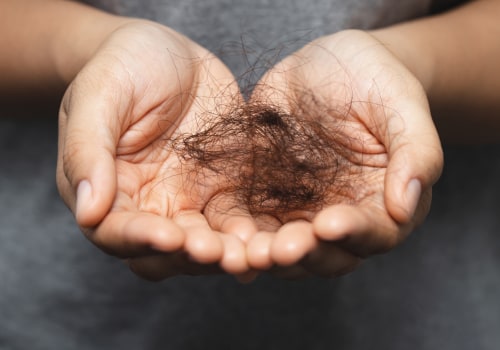
Trichotillomania, often referred to as hair-pulling disorder, is a complex psychological condition that affects individuals across various age groups and backgrounds. It is characterized by an irresistible urge to pull out one’s own hair, leading to noticeable hair loss and significant distress. Understanding the intricacies of trichotillomania is essential for those affected, as well as their loved ones, to foster empathy and support. This condition is not merely a bad habit; it is classified as a mental health disorder that can have profound emotional and psychological implications.The exact causes of trichotillomania remain unclear, but research suggests a combination of genetic, environmental, and psychological factors contribute to its development.
Individuals with a family history of trichotillomania or other related disorders may be at a higher risk. Additionally, environmental triggers such as stress, anxiety, or traumatic experiences can exacerbate the condition. Many people report that they engage in hair-pulling during moments of heightened tension or boredom, indicating that emotional states play a significant role in the behavior.Symptoms of trichotillomania extend beyond the physical act of hair pulling. Individuals may experience feelings of shame, guilt, or embarrassment about their behavior, which can lead to social withdrawal and isolation.
The visible effects of hair loss can also impact self-esteem and body image, further complicating the emotional landscape for those affected. Recognizing these symptoms is crucial for developing effective coping strategies and interventions.As we explore how music and podcasts can serve as valuable tools in managing trichotillomania, it becomes clear that understanding the underlying causes and symptoms of this disorder is vital. By addressing the emotional triggers associated with hair-pulling through engaging auditory experiences, individuals may find new pathways to cope with their urges and improve their overall well-being.The visible effects of hair loss can also impact self-esteem and body image, further complicating the emotional landscape for those affected. Recognizing these symptoms is crucial for developing effective coping strategies and interventions.As we explore how music and podcasts can serve as valuable tools in managing trichotillomania, it becomes clear that understanding the underlying causes and symptoms of this disorder is vital. By addressing the emotional triggers associated with hair-pulling through engaging auditory experiences, individuals may find new pathways to cope with their urges and improve their overall well-being.
The Role of Music in Mental Health
Music has long been recognized as a powerful medium that transcends language and cultural barriers, offering profound benefits for mental health. For individuals grappling with conditions like trichotillomania, the therapeutic effects of music can be particularly significant.Research has shown that engaging with music can alleviate symptoms of anxiety and stress, which are often key triggers for hair-pulling behaviors.
Understanding Music Therapy
Music therapy is a clinical and evidence-based practice that utilizes music interventions to accomplish individualized goals within a therapeutic relationship. This form of therapy can take many shapes, including listening to music, songwriting, or even playing instruments. The primary aim is to enhance emotional well-being and promote healing.Studies have demonstrated that music therapy can lead to reductions in anxiety levels, improved mood, and enhanced coping skills. For those with trichotillomania, incorporating music therapy into their treatment plan may provide a constructive outlet for managing urges and emotions.
The Mental Health Benefits of Music
- Reduction of Anxiety: Listening to calming music can significantly lower anxiety levels.
The soothing melodies and harmonies can create a sense of peace, helping individuals feel more grounded and less overwhelmed by their urges.
- Emotional Expression: Music allows for emotional expression in ways that words sometimes cannot. For someone dealing with the complexities of trichotillomania, creating or listening to music can serve as a healthy outlet for pent-up feelings.
- Distraction from Urges: Engaging with music can serve as a distraction from the compulsive urge to pull hair. By focusing on the rhythm or lyrics, individuals can redirect their attention away from their impulses.
- Improved Mood: Upbeat and positive music can elevate mood and foster feelings of happiness. This uplift in spirits can be crucial for those struggling with the emotional toll of trichotillomania.
How Music Helps Alleviate Anxiety
The science behind how music affects our mental state is fascinating.
When we listen to music, our brains release dopamine, a neurotransmitter associated with pleasure and reward. This release not only enhances our mood but also helps reduce feelings of stress and anxiety.Moreover, certain types of music have been shown to lower cortisol levels—the hormone primarily responsible for stress. By integrating specific playlists into daily routines, individuals with trichotillomania may find themselves better equipped to handle stressors that could otherwise trigger hair-pulling episodes.In conclusion, the role of music in mental health is profound and multifaceted. For those dealing with trichotillomania, leveraging the therapeutic benefits of music can be an effective strategy in managing symptoms and improving overall well-being.
How Music Can Help Manage Trichotillomania
Music has long been recognized for its ability to influence emotions and mental states, making it a powerful tool for individuals coping with trichotillomania.By harnessing the therapeutic qualities of music, those affected by this condition can find effective coping strategies that not only distract from the urge to pull hair but also promote relaxation and emotional well-being.One of the primary ways music can assist in managing trichotillomania is through its capacity to evoke positive emotions. Listening to uplifting or soothing melodies can significantly reduce feelings of anxiety and stress, which are common triggers for hair-pulling behaviors. Here are some practical tips on how to incorporate music into your daily routine:
- Create a Personalized Playlist: Curate a selection of songs that resonate with you emotionally. Include tracks that uplift your mood or help you relax.
This playlist can serve as a go-to resource during moments of urge or stress.
- Explore Different Genres: Experiment with various music genres to discover what works best for you. Some may find classical music calming, while others might prefer the energizing beats of pop or rock.
- Use Music for Mindfulness: Combine music listening with mindfulness practices. Focus on the sounds, rhythms, and lyrics while engaging in deep breathing exercises. This can help ground you in the present moment and divert attention from hair-pulling urges.
- Incorporate Music into Daily Activities: Whether you’re cooking, exercising, or commuting, listen to music during these activities.
This not only provides a distraction but also enhances your overall experience.
- Calming Instrumentals: Soft instrumental music, such as piano or acoustic guitar, can create a serene atmosphere that helps alleviate anxiety.
- Nature Sounds: Tracks that incorporate sounds from nature—like rain, ocean waves, or birds chirping—can promote relaxation and provide a soothing backdrop.
- Meditative Music: Music designed for meditation often features slow tempos and gentle melodies, making it ideal for reducing stress and enhancing focus.
Podcasts as a Distraction Tool
Podcasts have emerged as a powerful tool for individuals coping with trichotillomania, offering a unique way to divert attention from the compulsive urge to pull hair. By immersing oneself in engaging audio content, listeners can effectively shift their focus away from their struggles, creating a mental space that fosters relaxation and distraction.One of the most appealing aspects of podcasts is their diversity. There is a podcast available for nearly every interest, making it easy to find something that resonates personally.Here are some popular genres that can serve as effective distractions:
- Comedy: Laughter is a natural stress reliever. Comedy podcasts can lighten the mood and provide a much-needed escape from the pressures associated with trichotillomania. Shows like The Dollop or My Dad Wrote A Porno offer humor that can help listeners forget their worries.
- True Crime: For those who enjoy suspense and intrigue, true crime podcasts can be captivating. Programs like Serial or Criminal draw listeners into compelling narratives, keeping their minds engaged and distracted from urges.
- Self-Help and Mental Health: Podcasts focused on mental health can provide valuable insights and coping strategies.
Shows like The Happiness Lab or The Anxiety Coaches Podcast not only entertain but also educate listeners on managing anxiety and stress, which are often triggers for hair-pulling.
- Storytelling: Engaging storytelling podcasts such as This American Life or The Moth can transport listeners to different worlds, allowing them to escape their current thoughts and feelings.
Creating a Personalized Music and Podcast Routine
Creating a personalized routine that incorporates music and podcasts can be a transformative strategy for managing the symptoms of trichotillomania.By tailoring your auditory experiences to your preferences and needs, you can effectively distract yourself from the urge to pull hair while also promoting relaxation and emotional well-being.Here are some steps to help you develop a music and podcast routine that fits seamlessly into your daily life:
- Identify Your Triggers: Start by recognizing the specific situations or emotions that trigger your urge to pull hair. Is it stress from work, boredom during downtime, or anxiety in social settings? Understanding these triggers will help you select music and podcasts that can effectively counteract them.
- Select Your Music: Choose music that resonates with you personally. For calming moments, consider genres like classical, ambient, or acoustic. If you need an energy boost, opt for upbeat pop or motivational tracks.
Create playlists for different moods or activities—this way, you can easily access the right soundscape when needed.
- Explore Podcasts: Dive into the world of podcasts to find content that captivates your interest. Whether it’s storytelling, educational topics, or humor, engaging podcasts can serve as a powerful distraction. Make a list of your favorite shows and set aside time each day to listen.
- Establish a Listening Schedule: Consistency is key in forming new habits. Designate specific times during your day for listening to music or podcasts.
This could be during your morning routine, while commuting, or as part of your winding down process before bed.
- Incorporate Mindfulness: While listening, practice mindfulness by focusing on the sounds and lyrics. This can enhance your experience and further divert your attention from the urge to pull hair. Consider using guided meditation podcasts that combine soothing sounds with relaxation techniques.
- Evaluate and Adjust: Regularly assess how your routine is working for you. Are there particular songs or podcasts that help more than others? Don’t hesitate to modify your selections based on what feels most effective in managing your symptoms.
This tailored approach can lead to improved emotional regulation and a greater sense of control over your urges.
Real-Life Success Stories: Music and Podcasts in Action
Many individuals struggling with trichotillomania have found solace and support through music and podcasts. Their stories highlight the transformative power of these mediums in managing their condition. Here are a few inspiring testimonials:- Emily's Journey: Emily, a 28-year-old graphic designer, shared how she turned to music during her most challenging moments. "When I feel the urge to pull my hair, I put on my favorite playlist filled with calming instrumental music.
It helps me focus on the melodies rather than my anxiety. I’ve noticed that I can go longer without pulling when I’m immersed in the music," she explained. Emily emphasizes that creating a personalized playlist has been a game-changer for her coping strategy.
- Mark's Podcast Discovery: Mark, a 35-year-old teacher, discovered podcasts as a distraction from his urges. "I stumbled upon a podcast about mindfulness and mental health, and it resonated with me deeply.
Listening to experts discuss coping strategies while sharing their own experiences made me feel less alone. Now, whenever I feel the urge to pull, I listen to an episode, and it shifts my focus completely," he shared.
- Sara's Musical Therapy: Sara, a 22-year-old college student, found that singing along to her favorite songs helped her manage her trichotillomania symptoms. "I started singing in the shower as a way to express myself and release tension. It’s become a ritual for me; when I sing, I forget about pulling my hair and just enjoy the moment.
Music has become my therapy," she said.
Consulting Professionals: The Importance of Comprehensive Treatment
While incorporating music and podcasts into your daily routine can be beneficial for managing trichotillomania, it is crucial to recognize that these strategies should complement, not replace, professional treatment. Seeking help from qualified mental health professionals is essential for developing a comprehensive approach to managing this complex condition.There are several effective treatment options available for individuals struggling with trichotillomania.These options often include:
- Cognitive Behavioral Therapy (CBT): This evidence-based therapy focuses on identifying and changing negative thought patterns and behaviors associated with hair pulling. CBT can help individuals develop healthier coping mechanisms and reduce the urge to pull hair.
- Habit Reversal Training (HRT): A specific type of CBT, HRT teaches individuals to recognize the triggers that lead to hair pulling and replace the behavior with a competing response. This technique has shown significant success in reducing symptoms.
- Medication: In some cases, medications such as selective serotonin reuptake inhibitors (SSRIs) may be prescribed to help manage symptoms of anxiety or depression that often accompany trichotillomania. It is important to consult with a psychiatrist or primary care physician to determine the best medication options.
- Support Groups: Connecting with others who understand the challenges of trichotillomania can provide emotional support and practical advice.
Support groups can be found both in-person and online, offering a safe space for sharing experiences and coping strategies.
Conclusion: Embracing Music and Podcasts in Your Journey with Trichotillomania
In conclusion, the journey of managing trichotillomania can be challenging, but incorporating music and podcasts into your daily routine can provide significant support. Throughout this article, we have explored how these auditory experiences can serve as effective coping strategies, helping to alleviate some of the emotional burdens associated with this condition.Music has a unique ability to evoke emotions and create a sense of connection.By selecting tracks that resonate with your feelings or promote relaxation, you can create a personal soundtrack that aids in reducing anxiety and stress levels. Whether it’s soothing melodies that calm your mind or upbeat tunes that energize you, music can be a powerful ally in your fight against the urges to pull hair.Similarly, podcasts offer an engaging way to divert your attention from the compulsive behaviors linked to trichotillomania. With a vast array of topics available—from storytelling and education to humor and self-help—podcasts can captivate your mind and provide a much-needed distraction. This shift in focus not only helps in managing urges but also enriches your knowledge and entertains you during difficult moments.It is essential to remember that while music and podcasts are beneficial tools, they should complement professional treatment rather than replace it.
Consulting with mental health professionals remains crucial for developing a comprehensive approach tailored to your specific needs. Integrating these auditory resources into your coping strategies can enhance your overall well-being and empower you on your journey.As you navigate the complexities of trichotillomania, consider embracing the therapeutic potential of music and podcasts. They can serve as valuable companions, providing comfort, distraction, and even joy as you work towards managing your condition more effectively. By fostering a supportive environment filled with sounds that uplift and inspire you, you take proactive steps toward reclaiming control over your life.