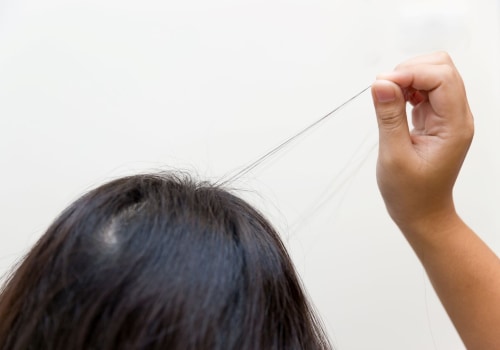
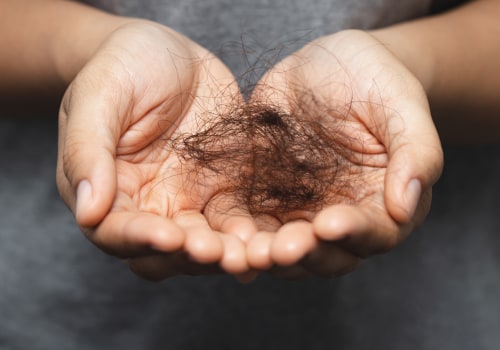
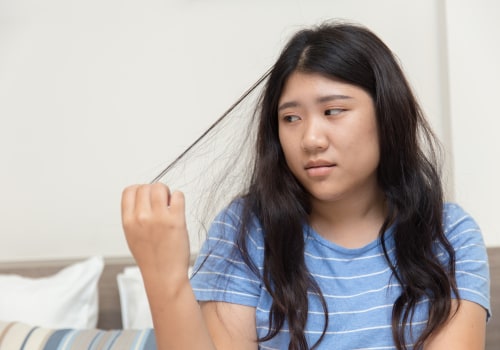
Trichotillomania, commonly referred to as hair pulling disorder, is a complex psychological condition that falls under the umbrella of body-focused repetitive behaviors (BFRBs). This disorder is characterized by an uncontrollable urge to pull out one’s own hair, which can lead to noticeable hair loss and significant emotional distress. Individuals with trichotillomania often find themselves engaging in this behavior as a way to cope with stress, anxiety, or other underlying emotional issues. Understanding trichotillomania is essential for recognizing its impact on daily life and the importance of seeking support.The symptoms of trichotillomania can vary widely among individuals, but they typically include frequent hair pulling from the scalp, eyebrows, eyelashes, or other areas of the body.
Many people may also experience a sense of tension before pulling and a feeling of relief or gratification afterward. This cycle can create a challenging dynamic where the individual feels compelled to continue the behavior despite its negative consequences. In addition to physical symptoms, trichotillomania can lead to feelings of shame, embarrassment, and isolation, making it crucial for those affected to find understanding and support.As part of the broader category of BFRBs, trichotillomania shares similarities with other conditions such as skin picking and nail biting. These behaviors are often linked to emotional regulation difficulties and can serve as coping mechanisms for managing overwhelming feelings. Many people may also experience a sense of tension before pulling and a feeling of relief or gratification afterward. This cycle can create a challenging dynamic where the individual feels compelled to continue the behavior despite its negative consequences. In addition to physical symptoms, trichotillomania can lead to feelings of shame, embarrassment, and isolation, making it crucial for those affected to find understanding and support.As part of the broader category of BFRBs, trichotillomania shares similarities with other conditions such as skin picking and nail biting. These behaviors are often linked to emotional regulation difficulties and can serve as coping mechanisms for managing overwhelming feelings.
Advocacy organizations dedicated to BFRBs play a vital role in raising awareness about trichotillomania and providing resources for individuals seeking help. By fostering a supportive community and promoting education about this disorder, these organizations help reduce stigma and empower those affected by trichotillomania to seek the assistance they need.Advocacy organizations dedicated to BFRBs play a vital role in raising awareness about trichotillomania and providing resources for individuals seeking help. By fostering a supportive community and promoting education about this disorder, these organizations help reduce stigma and empower those affected by trichotillomania to seek the assistance they need.
The Role of Advocacy Organizations
Advocacy organizations play a pivotal role in the lives of individuals affected by trichotillomania, offering a multifaceted approach to support, education, and community building. These organizations serve as vital resources for those grappling with the challenges of this disorder, providing a safe haven where individuals can find understanding and assistance.One of the primary functions of advocacy organizations is to provide educational resources. They develop comprehensive materials that explain the nature of trichotillomania, its symptoms, and potential treatment options.This information is crucial for both individuals experiencing the disorder and their families, as it helps demystify the condition and fosters a better understanding of its complexities. Many organizations offer online articles, brochures, and webinars that cover various aspects of trichotillomania, including coping strategies and the latest research findings.In addition to education, these organizations facilitate support groups , which are essential for creating a sense of community among those affected by trichotillomania. Support groups provide a platform for individuals to share their experiences, challenges, and successes in managing their condition. This peer support is invaluable; it not only helps reduce feelings of isolation but also encourages members to learn from one another's journeys.
Many advocacy organizations host both in-person and virtual support groups, making it easier for individuals to connect regardless of their geographical location.Furthermore, advocacy organizations often engage in public awareness campaigns aimed at reducing stigma associated with trichotillomania. By promoting understanding through outreach initiatives, they work to educate the general public about the disorder, helping to dispel myths and misconceptions. This increased awareness can lead to greater acceptance and support for those living with trichotillomania.Lastly, these organizations frequently collaborate with mental health professionals to ensure that their resources are evidence-based and effective. They may also provide referrals to therapists who specialize in treating BFRBs, ensuring that individuals have access to appropriate care tailored to their needs.In summary, advocacy organizations for trichotillomania are instrumental in providing education, fostering community support through groups, raising awareness about the disorder, and connecting individuals with professional help.
Their comprehensive approach not only empowers those affected by trichotillomania but also contributes significantly to the broader understanding of this complex condition.
Support Services Offered by Advocacy Organizations
Advocacy organizations for trichotillomania provide a variety of support services designed to help individuals cope with the challenges of this condition. These services are essential for fostering a sense of community and understanding among those affected by trichotillomania. Below, we explore some of the key support services offered by these organizations.Peer Support Groups
One of the most valuable resources available through advocacy organizations is peer support groups. These groups create a safe and welcoming environment where individuals can share their experiences, struggles, and successes related to trichotillomania.Participants often find comfort in knowing they are not alone in their journey. Peer support groups typically offer:
- Facilitated Discussions: Led by trained facilitators or individuals with lived experience, these discussions encourage open dialogue about coping strategies and personal stories.
- Emotional Support: Members provide each other with empathy and understanding, which can be incredibly healing for those dealing with the emotional toll of trichotillomania.
- Resource Sharing: Participants often exchange information about effective treatments, coping mechanisms, and helpful resources.
Online Forums
In addition to in-person meetings, many advocacy organizations host online forums. These platforms allow individuals to connect from anywhere in the world, making support accessible regardless of geographical location. Online forums typically feature:- Anonymity: Users can participate without revealing their identities, which can encourage more open sharing of personal experiences.
- Diverse Topics: Forums cover a wide range of subjects related to trichotillomania, including treatment options, personal stories, and coping strategies.
- 24/7 Accessibility: Unlike scheduled meetings, online forums are available at any time, allowing individuals to seek support whenever they need it.
Counseling Services
Many advocacy organizations also offer access to counseling services , which can be crucial for individuals seeking professional help.These services may include:
- Individual Therapy: Licensed therapists specializing in BFRBs can provide personalized treatment plans tailored to the unique needs of those with trichotillomania.
- Group Therapy: Some organizations facilitate group therapy sessions where individuals can work together under the guidance of a mental health professional.
- Crisis Support: Immediate assistance may be available for those experiencing acute distress related to their condition.
Educational Resources and Awareness Campaigns
Advocacy organizations for trichotillomania are pivotal in providing educational resources and conducting awareness campaigns that aim to inform both the public and those affected by this condition. These initiatives are essential for fostering understanding, reducing stigma, and promoting effective coping strategies.One of the primary ways these organizations educate the community is through workshops. These workshops often cover a range of topics, including:- The nature of trichotillomania and its psychological underpinnings
- Effective management techniques and coping strategies
- How to support loved ones who may be struggling with the disorder
- Resources available for treatment and support
Participants often find these sessions to be a safe space where they can share their experiences and learn from others facing similar challenges.In addition to workshops, many advocacy organizations offer webinars. These online seminars allow experts in the field to present valuable information on trichotillomania, including:
- Latest research findings on the disorder
- Innovative treatment options and therapies
- Personal stories from individuals who have successfully managed their symptoms
- Raise public awareness about trichotillomania as a legitimate mental health condition
- Dispel myths and misconceptions surrounding hair-pulling behaviors
- Encourage individuals to seek help without fear of judgment or stigma
Choosing the Right Advocacy Organization for You
Choosing the right advocacy organization for trichotillomania can significantly impact your journey toward understanding and managing this condition.With numerous organizations available, it’s essential to evaluate them based on your specific needs and preferences. Here are some key factors to consider when selecting an advocacy organization:
- Mission and Focus: Different organizations may have varying missions and areas of focus. Some may prioritize research and education, while others might emphasize peer support or advocacy. Review their mission statements to ensure they align with your personal goals regarding trichotillomania.
- Available Resources: Look into the resources each organization offers.
This can include educational materials, online forums, support groups, and access to mental health professionals. A comprehensive resource library can be particularly beneficial for gaining insights into managing trichotillomania.
- Community Engagement: Consider how the organization fosters community among its members. Organizations that provide online forums or local meet-ups can create a sense of belonging and support, which is crucial for individuals dealing with trichotillomania.
- Reputation and Reviews: Research the organization’s reputation within the trichotillomania community. Reading testimonials from other individuals who have engaged with the organization can provide valuable insights into their effectiveness and approach.
- Inclusivity: Evaluate whether the organization is inclusive of diverse populations.
It’s important that advocacy groups represent various backgrounds and experiences, ensuring that all individuals feel welcome and understood.
- Transparency: Look for organizations that are transparent about their funding sources, treatment recommendations, and any potential conflicts of interest. This transparency can help you feel more confident in their practices and recommendations.
Controversies Surrounding Advocacy Organizations
While advocacy organizations for trichotillomania and other body-focused repetitive behaviors (BFRBs) provide essential support and resources, they are not without their controversies and criticisms.Understanding these issues is crucial for individuals seeking help, as it allows them to make informed decisions about which organizations to engage with.One of the primary concerns raised about these organizations is the potential for exploitation. Critics argue that some advocacy groups may profit from the vulnerabilities of individuals struggling with trichotillomania. This can manifest in various ways, such as charging high fees for membership, events, or educational materials. For those already facing emotional and financial challenges due to their condition, these costs can be prohibitive and may lead to feelings of frustration and betrayal.Another significant criticism revolves around the scientific validity of the treatment methods promoted by some organizations.
While many advocacy groups aim to provide evidence-based resources, others may endorse therapies or products that lack rigorous scientific backing. This raises ethical concerns about the responsibility of these organizations to ensure that the information they disseminate is accurate and beneficial. Individuals seeking help should be encouraged to conduct their own research and consult healthcare professionals before committing to any recommended treatments.Transparency is a critical factor in addressing these ethical concerns. Advocacy organizations should be open about their funding sources, affiliations, and the evidence supporting their recommendations.
This transparency fosters trust and allows individuals to feel confident in the resources they are accessing. Organizations that prioritize ethical practices are more likely to attract support from those they aim to help.Moreover, there is a growing recognition of the need for diversity within advocacy organizations. Many groups have been criticized for not adequately representing marginalized communities, which can lead to feelings of exclusion among individuals who do not see themselves reflected in the organization's mission or activities. Ensuring that advocacy efforts are inclusive and representative of all affected by trichotillomania is essential for fostering a supportive environment.In conclusion, while advocacy organizations play a vital role in supporting individuals with trichotillomania, it is essential to remain vigilant about potential ethical concerns and criticisms.
By prioritizing transparency, inclusivity, and evidence-based practices, these organizations can better serve their communities and help individuals navigate their journeys toward recovery.
Personal Stories: The Impact of Advocacy Organizations
Personal stories from individuals who have engaged with advocacy organizations for trichotillomania reveal the profound impact these groups can have on their lives. Many people find solace and understanding in the shared experiences of others, which can be a powerful catalyst for healing.One individual, Sarah, shared her journey through the Trichotillomania Learning Center (TLC). After years of struggling with hair pulling in silence, she discovered TLC’s online support group. "I felt so alone before joining," she recounted."Hearing others share their stories made me realize I wasn’t the only one facing this challenge. It was a relief to connect with people who truly understood what I was going through." Sarah emphasized that the support group not only provided emotional comfort but also practical strategies for managing her urges.Another participant, Mark, highlighted the importance of educational resources offered by advocacy organizations. "I attended a webinar hosted by the TLC Foundation , which opened my eyes to the psychological aspects of trichotillomania. Learning about the triggers and underlying causes helped me develop a more compassionate view of my behavior," he explained.
Mark noted that this newfound understanding empowered him to seek therapy and adopt healthier coping mechanisms.Testimonials like these illustrate how advocacy organizations foster a sense of community among individuals with BFRBs. Many members express gratitude for the safe spaces created by these groups, where they can share their struggles without fear of judgment. For instance, Emily, who has been part of a local support group, stated, "It’s comforting to know that I can talk about my experiences openly. The friendships I’ve formed here are invaluable; we lift each other up during tough times."Moreover, advocacy organizations often host events that allow individuals to connect in person.
These gatherings can be transformative. Jessica attended an annual retreat organized by the BFRB Support Network. "Meeting others face-to-face was life-changing for me," she shared. "I left feeling inspired and motivated to continue my journey toward recovery." Such events not only provide education but also create lasting bonds among participants.In conclusion, personal stories from individuals involved with advocacy organizations for trichotillomania highlight the significant role these groups play in fostering understanding, support, and community.
Through shared experiences and resources, many have found hope and healing on their journey with this challenging disorder.
Conclusion: The Importance of Advocacy in Managing Trichotillomania
In conclusion, the journey of managing trichotillomania is often fraught with challenges, but the presence of advocacy organizations provides a beacon of hope and support for those affected by this condition. Throughout this article, we have explored the multifaceted role these organizations play in fostering understanding, reducing stigma, and offering essential resources to individuals grappling with trichotillomania.Advocacy organizations serve as vital lifelines, connecting individuals with a community that understands their struggles. They offer a range of services, from peer support groups to educational webinars, which empower individuals to share their experiences and learn from one another. This sense of community is crucial, as it helps to alleviate feelings of isolation that often accompany trichotillomania.Moreover, these organizations are instrumental in raising public awareness about trichotillomania.By educating the general public and healthcare professionals about the disorder, they work tirelessly to dispel myths and misconceptions that can lead to stigma. This advocacy not only promotes acceptance but also encourages individuals to seek help without fear of judgment.Furthermore, advocacy groups provide access to valuable resources that can aid in the management of trichotillomania. From comprehensive guides on treatment options to information on coping strategies, these organizations equip individuals and their families with the knowledge needed to navigate the complexities of this disorder.As we reflect on the importance of advocacy in managing trichotillomania, it becomes clear that these organizations are more than just support networks; they are champions for change. They advocate for research funding, better treatment options, and policies that recognize trichotillomania as a legitimate mental health condition.
This advocacy is essential for improving the quality of life for those affected by trichotillomania.In summary, engaging with advocacy organizations can be a transformative step for individuals living with trichotillomania. By providing support, education, and a sense of belonging, these organizations play an indispensable role in helping individuals manage their condition and reclaim their lives.