Trichotillomania
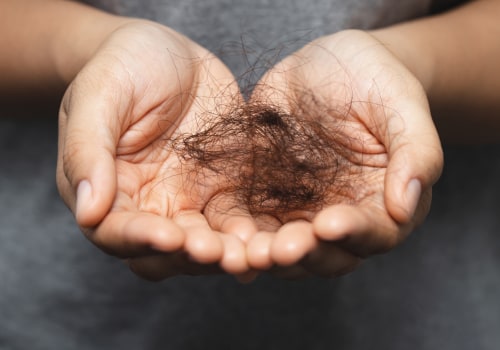
, often referred to as hair-pulling disorder, is a mental health condition that compels individuals to pull out their own hair, leading to noticeable hair loss. This behavior can occur on any part of the body where hair grows, including the scalp, eyebrows, and eyelashes. While it may seem like a simple habit, trichotillomania is classified as a body-focused repetitive behavior (BFRB) and is recognized in the Diagnostic and Statistical Manual of Mental Disorders (DSM-5) as a mental health disorder. Understanding this condition is essential for those affected and their loved ones, as it sheds light on the emotional and psychological struggles that accompany it.The symptoms of trichotillomania extend beyond the physical act of hair pulling.
Individuals may experience intense urges to pull hair, often accompanied by feelings of tension before pulling and relief or gratification afterward. This cycle can lead to significant distress, impacting self-esteem and social interactions. Many people with trichotillomania also report feelings of shame or embarrassment about their behavior, which can further exacerbate anxiety and depression. The psychological impact of this disorder can be profound, making it crucial for individuals to seek effective coping strategies.Recognizing the symptoms and understanding the underlying causes of trichotillomania can empower individuals to take control of their condition.
It is not merely a matter of willpower; rather, it involves addressing emotional triggers and developing healthier coping mechanisms. By exploring various strategies, such as journaling, individuals can begin to navigate their feelings and experiences related to trichotillomania more effectively. This journey towards understanding and managing the disorder is vital for fostering resilience and improving overall mental health.
The Role of Journaling in Mental Health
Journaling serves as a powerful therapeutic tool that can significantly enhance mental health. By providing a safe space for self-expression, it allows individuals to articulate their thoughts and feelings, which is crucial for emotional processing.This act of writing can lead to greater self-awareness and understanding, enabling individuals to confront their emotions rather than suppress them.One of the primary benefits of journaling is its ability to reduce anxiety. When individuals write about their worries and fears, they often find that the act of putting pen to paper helps to clarify their thoughts. This process can diminish the overwhelming nature of anxiety, making it more manageable. By externalizing these feelings, individuals can gain perspective and develop coping strategies that may not have been apparent before.Moreover, journaling can improve overall mental well-being by fostering a sense of accomplishment and control.
Setting aside time each day to write can create a routine that promotes discipline and self-care. This commitment to personal reflection not only enhances emotional resilience but also encourages positive thinking patterns.In addition to these benefits, journaling can serve as a valuable tool for tracking progress over time. Individuals can look back at previous entries to identify patterns in their emotions or behaviors, which can be particularly enlightening. Recognizing triggers or recurring themes in one’s writing can lead to proactive measures in managing mental health challenges.Furthermore, journaling encourages mindfulness—a practice that has been shown to reduce stress and improve emotional regulation.
By focusing on the present moment while writing, individuals can cultivate a deeper connection with their thoughts and feelings, leading to greater clarity and peace of mind.In summary, the role of journaling in mental health is multifaceted. It not only aids in processing emotions but also reduces anxiety, enhances self-awareness, and promotes overall well-being. As we explore its specific application in coping with trichotillomania, it becomes clear that journaling can be an essential component of a comprehensive self-care strategy.
How Journaling Can Help Manage Trichotillomania
Journaling can serve as a transformative tool for individuals grappling with trichotillomania, offering a structured way to navigate the complexities of this condition. By engaging in reflective writing, individuals can explore their emotions, identify triggers, and develop effective coping strategies.Emotional Expression
One of the primary benefits of journaling is its ability to facilitate emotional expression.
For those with trichotillomania, the urge to pull hair often stems from deep-seated feelings such as anxiety, stress, or frustration. Writing about these emotions can provide a safe outlet, allowing individuals to articulate their feelings without fear of judgment. This process not only helps in releasing pent-up emotions but also fosters a deeper understanding of one’s emotional landscape.
Tracking Triggers
Another significant advantage of maintaining a journal is the ability to track triggers associated with trichotillomania. By documenting instances when the urge to pull arises, individuals can begin to identify patterns and specific situations that provoke these urges.
For example, they might notice that stress at work or certain social situations lead to increased pulling behavior. Recognizing these triggers is a crucial step in developing proactive strategies to manage them effectively.
Developing Coping Mechanisms
Through reflective writing, individuals can also brainstorm and refine coping mechanisms tailored to their unique experiences with trichotillomania. Journaling allows for experimentation with different strategies, such as mindfulness techniques, deep breathing exercises, or engaging in alternative activities when the urge strikes. By documenting what works and what doesn’t, individuals can create a personalized toolkit for managing their condition.
Enhancing Emotional Regulation
Moreover, journaling can enhance emotional regulation skills.
As individuals write about their experiences and feelings related to trichotillomania, they learn to recognize emotional triggers and responses more clearly. This heightened awareness can lead to improved self-control and the ability to respond to urges in healthier ways. Over time, this practice can contribute significantly to reducing the frequency and intensity of hair-pulling episodes.In summary, journaling offers a multifaceted approach to managing trichotillomania. By providing a platform for emotional expression, tracking triggers, and developing coping strategies, it empowers individuals to take charge of their journey towards healing and self-acceptance.
Getting Started with Your Journal
Starting a journaling practice can be a transformative step for those coping with trichotillomania.It allows for self-reflection, emotional processing, and the development of coping strategies. Here are some practical tips to help you embark on this journey.
Choosing the Right Journal
- Find a format that resonates with you: Whether you prefer a traditional notebook, a digital app, or even voice recording, choose a medium that feels comfortable and accessible.
- Consider the size: A smaller journal may be more portable, allowing you to write whenever the urge strikes, while a larger one might provide more space for detailed entries.
- Personalize it: Decorate your journal with stickers, drawings, or quotes that inspire you. Making it visually appealing can motivate you to write more often.
Setting Aside Time for Writing
- Create a routine: Designate specific times each day for journaling. This could be in the morning to set intentions for the day or in the evening to reflect on your experiences.
- Start small: If daily writing feels overwhelming, begin with just a few minutes each day.
Gradually increase your writing time as you become more comfortable.
- Be flexible: Life can be unpredictable. If you miss a day, don’t be hard on yourself. Simply return to your practice when you can.
Creating a Conducive Environment
- Choose a quiet space: Find a location where you feel safe and free from distractions. This could be a cozy corner of your home or a peaceful spot in nature.
- Minimize interruptions: Turn off notifications on your devices and let others know that you need some uninterrupted time to focus on your journaling.
- Add comfort: Consider lighting a candle, playing soft music, or having a warm drink nearby to create an inviting atmosphere that encourages reflection.
Journal Prompts for Trichotillomania
If you're unsure where to start, here are some prompts specifically designed for those dealing with trichotillomania:
- What emotions do I feel before and after pulling my hair?
- What situations or triggers lead me to pull my hair?
- How do I feel about my hair and appearance?
- What coping strategies have I tried, and how effective have they been?
- What positive affirmations can I remind myself of when I feel the urge to pull?
Prompts and Exercises for Effective Journaling
When it comes to managing trichotillomania, journaling can be a transformative practice.To make the most of your journaling experience, consider incorporating specific prompts and exercises that encourage self-reflection and emotional exploration. Here are some tailored suggestions to help you delve deeper into your feelings and experiences related to hair pulling.
Journal Prompts for Trichotillomania
- Describe Your Triggers: Write about the situations, emotions, or thoughts that lead you to pull your hair. Identifying these triggers can help you understand your behavior better.
- Emotional Check-In: At the end of each day, reflect on your emotional state. What feelings did you experience? Did any specific events trigger the urge to pull?
- Before and After Reflection: Document your feelings before you feel the urge to pull and how you feel afterward.
This can help you recognize patterns in your behavior.
- Self-Compassion Letter: Write a letter to yourself expressing understanding and compassion for your struggles with trichotillomania. Acknowledge that it’s okay to have difficult days.
- Visualize Your Progress: Create a visual representation of your journey with trichotillomania. This could be a drawing, a mind map, or even a collage that reflects your growth and challenges.
Exercises for Journaling
- Gratitude List: Each day, write down three things you are grateful for. Focusing on positive aspects of your life can help shift your mindset away from negative thoughts associated with hair pulling.
- Mood Tracking: Create a mood chart in your journal where you can record your emotions daily.
Over time, this can help you identify trends and correlations between your mood and hair pulling urges.
- Mindfulness Writing: Spend a few minutes writing about what you see, hear, and feel in the present moment. This exercise can ground you and reduce anxiety that may lead to pulling.
- Future Goals: Write about your aspirations for managing trichotillomania. What steps can you take to achieve these goals? Setting intentions can empower you on your journey.
By utilizing these prompts and exercises, you can create a meaningful journaling practice that supports your mental health and helps you cope with trichotillomania.
Building a Consistent Journaling Habit
Establishing a consistent journaling practice is crucial for anyone coping with trichotillomania. The act of writing regularly not only helps in processing emotions but also reinforces the commitment to managing this condition. Here are some strategies to help you build and maintain a journaling habit.- Set a Specific Time: Choose a particular time each day dedicated to journaling. Whether it’s in the morning with your coffee or at night before bed, having a set schedule can make it easier to remember and prioritize.
- Create a Comfortable Space: Designate a quiet and comfortable spot for your journaling.
This space should be free from distractions, allowing you to focus on your thoughts and feelings without interruptions.
- Start Small: If daily journaling feels overwhelming, begin with just a few minutes each day. Gradually increase the time as you become more comfortable with the process. Even writing a few sentences can be beneficial.
- Use Reminders: Set reminders on your phone or leave sticky notes in visible places to prompt you to write. These gentle nudges can help reinforce your commitment to journaling.
- Track Your Progress: Keep a record of your journaling days.
This could be as simple as marking a calendar or using an app. Seeing your progress can motivate you to continue.
- Be Flexible: Life can be unpredictable, and there may be days when you miss writing. Instead of feeling discouraged, allow yourself the grace to skip a day and return to it when you can. Consistency is important, but so is self-compassion.
Here are some tips:
- Avoid Perfectionism: Your journal is for you alone; it doesn’t need to be perfect or polished. Write freely without worrying about grammar or structure.
- Incorporate Variety: If you find yourself stuck in a rut, try different journaling styles such as bullet points, lists, or even drawing. This variety can keep the practice fresh and engaging.
- Reflect on Your Goals: Regularly remind yourself why you started journaling in the first place. Reflecting on your goals related to managing trichotillomania can reignite your motivation.
Remember, every entry is a step towards understanding yourself better and managing your urges more effectively.
Integrating Journaling into Your Self-Care Routine
Integrating journaling into your self-care routine can significantly enhance your ability to cope with trichotillomania. By viewing journaling as one component of a holistic approach to mental health, you can create a comprehensive strategy that addresses both the emotional and physical aspects of this condition.To effectively incorporate journaling into your self-care practices, consider the following strategies:- Establish a Routine: Set aside dedicated time each day for journaling. This could be in the morning to set intentions for the day or in the evening to reflect on your experiences. Consistency helps reinforce the habit and makes it a natural part of your daily self-care.
- Combine with Mindfulness: Pair your journaling sessions with mindfulness practices such as meditation or deep breathing exercises.
Before you start writing, take a few moments to center yourself. This can help clear your mind and make it easier to express your thoughts and feelings on paper.
- Incorporate Physical Activity: Engaging in regular physical activity can reduce stress and anxiety, which are often triggers for trichotillomania. Consider journaling after a workout or a walk, allowing you to reflect on how physical movement impacts your emotional state.
- Explore Creative Outlets: Use your journal not just for writing but also for drawing, doodling, or collaging. Creative expression can be therapeutic and may help you articulate feelings that are difficult to put into words.
- Set Goals: Use your journal to set achievable goals related to managing trichotillomania.
Documenting small victories can boost your confidence and motivate you to continue working towards larger objectives.
- Nutritional Awareness: A balanced diet can have a profound effect on mental health. Keep track of what you eat in your journal and note any correlations between your diet and your urges to pull hair.
- Social Connections: Maintain relationships with supportive friends or family members. Use your journal to reflect on these interactions and how they influence your coping strategies.
- Professional Support: If you're working with a therapist, share insights from your journal during sessions. This can provide valuable context for discussions about managing trichotillomania.
This holistic approach not only addresses the symptoms but also fosters overall well-being, empowering you on your journey toward recovery.
FAQs About Journaling and Trichotillomania
Journaling can be a transformative practice for those coping with trichotillomania, yet many individuals have questions and concerns about how to effectively integrate this habit into their lives. Below are some frequently asked questions that can help clarify the benefits and address common misconceptions surrounding journaling as a coping mechanism.1.Can journaling really help with trichotillomania?
Yes, journaling can be an effective tool for managing trichotillomania. It allows individuals to express their thoughts and feelings, track their urges, and identify triggers that lead to hair-pulling. By documenting these experiences, you can gain insights into your behavior and develop healthier coping strategies.2.What should I write about in my journal?
Your journal can be a space for anything you feel is important.Here are some ideas to get you started:
- Daily reflections: Write about your day, focusing on moments when you felt the urge to pull your hair.
- Emotional check-ins: Describe your feelings before and after pulling, which can help you understand emotional triggers.
- Progress tracking: Note any improvements or setbacks in your journey with trichotillomania.
- Gratitude lists: List things you are grateful for to shift focus from negative feelings.
3.How often should I journal?
Consistency is key when it comes to journaling. Aim to write daily, even if it’s just for a few minutes. Establishing a routine can help reinforce the habit and make it a natural part of your self-care regimen.4.What if I miss a day of journaling?
Missing a day is completely normal and should not discourage you. The important thing is to return to your journaling practice as soon as you can.Remember, journaling is about progress, not perfection.
5.Is there a right or wrong way to journal?
No, there is no right or wrong way to keep a journal. The most important aspect is that it feels comfortable and beneficial for you. Feel free to experiment with different styles, formats, or prompts until you find what resonates best with your experience of trichotillomania.By addressing these common questions, we hope to provide reassurance and encourage individuals dealing with trichotillomania to embrace journaling as a valuable tool in their coping toolkit.Conclusion: The Journey Towards Healing with Journaling
As we conclude our exploration of the profound impact that journaling can have on managing trichotillomania, it is essential to reflect on the key insights shared throughout this article. The journey towards healing is often complex and deeply personal, yet journaling emerges as a powerful ally in navigating the challenges associated with this condition.Throughout our discussion, we have highlighted how keeping a journal serves not only as a means of self-expression but also as a vital tool for understanding the emotional landscape that accompanies trichotillomania.By documenting thoughts, feelings, and behaviors, individuals can gain clarity on their triggers and patterns, which is crucial for developing effective coping strategies. This process of self-discovery fosters a deeper awareness of the underlying issues that may contribute to the urge to pull hair, allowing for more targeted interventions.Moreover, journaling promotes a sense of accountability and commitment to one’s healing journey. By setting aside dedicated time each day to write, individuals prioritize their mental health and reinforce their intention to manage trichotillomania. This consistency not only aids in tracking progress but also cultivates resilience in the face of setbacks.
It is important to remember that healing is not linear; there will be ups and downs along the way. Journaling provides a safe space to process these fluctuations without judgment.In addition to fostering self-awareness and accountability, journaling can enhance emotional regulation. Writing about experiences related to trichotillomania allows individuals to externalize their feelings, reducing the intensity of shame or guilt that often accompanies hair-pulling episodes. This practice encourages self-compassion and understanding, reminding individuals that they are not alone in their struggles.As you embark on or continue your journey with journaling, consider it a valuable component of your self-care routine.
Embrace the practice with an open heart and mind, allowing it to evolve alongside your experiences. Whether you choose to write daily or whenever inspiration strikes, the act of putting pen to paper can be transformative.In summary, journaling is more than just a writing exercise; it is a pathway towards healing from trichotillomania. By integrating this practice into your life, you empower yourself to confront challenges head-on and cultivate a deeper understanding of your relationship with hair-pulling. Remember, every entry in your journal is a step forward on your journey towards recovery.